India is pushing toward two outcomes that do not always align easily. Economic expansion on one side. Climate commitments made at COP26, on the other hand. The ambition of a USD 5 trillion economy adds pressure. So does the expectation to reduce emissions meaningfully.
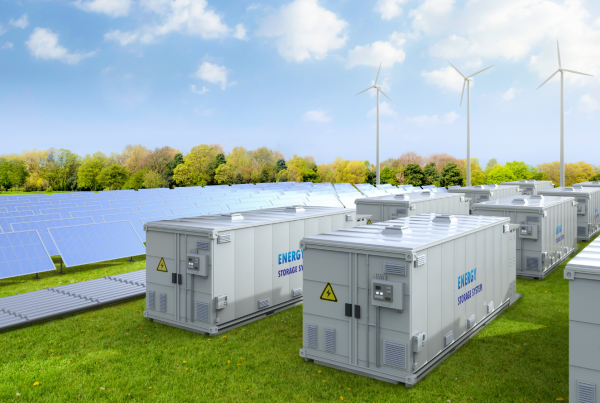
This is where battery energy storage systems are moving from background infrastructure to something far more central. Renewable energy sources like solar and wind are scaling, but they don’t behave predictably across demand cycles. That gap has to be managed.
JAKSON Group has been working within this space for a long time, building systems that try to make power supply less dependent on ideal conditions. Not perfectly stable, but closer than before.
Why are battery energy storage systems becoming necessary for renewable energy sources?
They are required because renewable energy, on its own, is inconsistent.
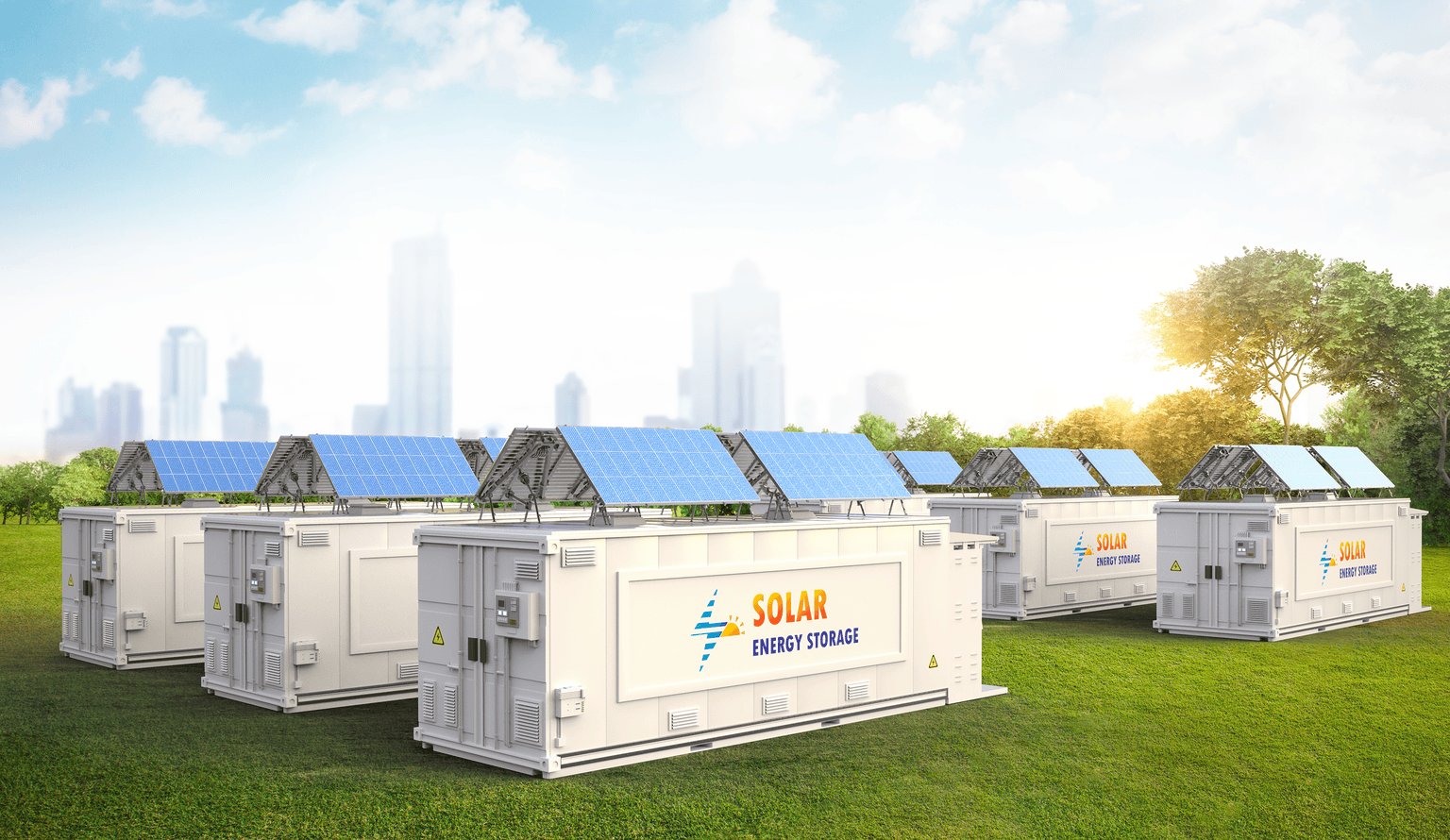
Solar energy drops after sunset. Wind patterns shift. Demand does not wait for either. Battery energy storage systems step in to hold excess energy and release it when needed. That’s the operational role.
There has been discussion around mandating nearly 5% storage in renewable projects. It’s not arbitrary. Without that layer, grid stability starts to weaken as renewable capacity increases.
Policy support is still catching up. Financial structures, tax incentives, and viability frameworks are evolving. Some projects move quickly. Others pause at funding stages.
At the same time, alternatives like sodium-ion and flow batteries are being explored. Lithium-ion still dominates, but dependency concerns are real.
What is changing in India’s approach to energy storage systems?
The shift is gradual but visible.
The National Framework for Promoting Energy Storage Systems has begun formalising direction. It does not immediately solve execution challenges, but it reduces uncertainty.
There is also a financial signal now. Government support covering up to 40% of capital costs for battery energy storage systems improves project viability. Targets around 4,000 MWh capacity by 2030–31 have been set.
Still, demand projections suggest something much larger.
The “Powering Progress” assessment indicates that integrating 392 GW of renewable energy may require close to 42 GW of storage capacity. Roughly 208 GWh. That gap between current targets and future needs is where most of the work sits.
How is JAKSON Group building around the realities of solar batteries and storage?
JAKSON Group has not approached this as a single-technology problem.
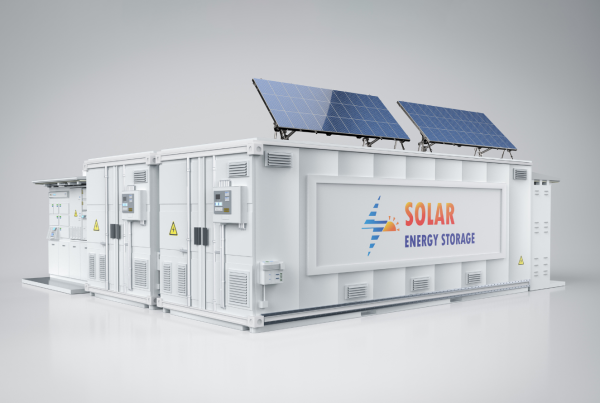
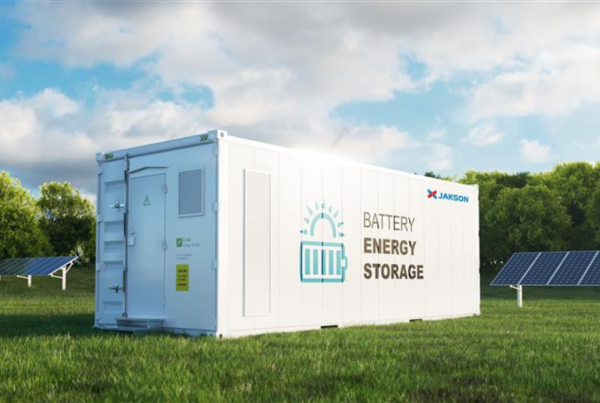
Their work spans rooftop solar battery systems, microgrids, and full-scale battery energy storage systems under the EnerPack line. The idea seems less about pushing one solution and more about covering different use cases without overcomplicating deployment.
Solar battery systems in distributed environments
Rooftop solar battery installations are being deployed across residential, commercial, and institutional spaces. These systems reduce dependence on centralised supply. They also introduce a level of autonomy, though not complete independence.
Performance depends heavily on integration. Storage without proper load planning tends to underdeliver.
Where do battery energy storage systems intersect with national security?
This is often overlooked.
In defence environments, power failures are not minor inconveniences. It can compromise operations. Systems deployed for the Indian Army are designed to operate under stress conditions where grid access is either unreliable or unavailable.
Battery energy storage systems support:
- Stable power in remote locations
- Reduced dependence on fuel logistics
- Backup during grid disruptions
This extends beyond defence. Critical infrastructure in remote regions follows similar patterns. Storage improves consistency where transmission networks are weak.
How does JAKSON’s broader energy portfolio fit into sustainable energy systems?
The structure is layered.
Diesel generators still exist in the system. Cummins-based gensets continue to provide backup where grid supply remains inconsistent. They are not being replaced immediately.
Microgrids offer decentralised distribution. Less strain on the central infrastructure. More local control.
Hybrid systems combine conventional and renewable energy. Not ideal in theory, but practical in execution. They stabilise supply while the transition toward green energy continues.
EnerPack battery energy storage systems sit across these layers, connecting generation and consumption more efficiently.
Solar battery systems vs conventional grid reliance
How Storage Changes the Equation
| Parameter | Solar Battery / BESS Systems | Conventional Grid Dependence |
| Power Availability | Stored and dispatched as needed | Dependent on real-time supply |
| Reliability | Improved with storage integration | Variable in many regions |
| Emissions | Lower with renewable energy sources | Higher due to fossil fuel mix |
| Infrastructure | Distributed and modular | Centralised and rigid |
| Control | Localised energy management | Limited user control |
The difference is not absolute. Storage systems improve reliability, but only when designed correctly. Poor integration reduces effectiveness quickly.
What does this mean for India’s sustainable energy direction?
Battery energy storage systems are no longer optional add-ons. They are becoming structural components of renewable energy deployment.
India’s involvement in the Battery Energy Storage Systems Consortium reflects that understanding. It signals alignment with global energy storage strategies rather than isolated development.
JAKSON Group fits into this shift by focusing on deployable systems rather than theoretical models. Their work across solar battery, hybrid setups, and BESS reflects a practical approach.
Execution speed remains a concern. Demand is growing faster than infrastructure.
Final Thoughts
There is a tendency to treat energy transitions as clean, linear processes. They are not.
Battery energy storage systems bring stability, but they also introduce new dependencies. Technology choices, supply chains, cost structures. None of it is settled.
India’s move toward integrating storage with renewable energy sources is necessary. That much is clear. The scale required is still being understood.
JAKSON Group continues to operate in this uncertainty, building systems that work within current constraints rather than waiting for ideal conditions.
That approach usually ages better.
FAQ
It stores electricity when supply is available and releases it when demand rises or generation drops.
It helps manage variability in solar power, ensuring electricity is available even when sunlight is not.
By deploying battery energy storage systems, rooftop solar battery solutions, and hybrid energy systems across multiple sectors.