Energy is changing fast. Wind, solar, geothermal, hydropower, tidal, biomass, and hydrogen aren’t experimental technologies anymore. Renewable energy resources are reshaping how countries, corporations, and individual households power their lives, and the momentum is accelerating for very good reasons.
But here’s the problem: most people have heard the enthusiasm but haven’t seen a real breakdown. What are the genuine advantages? Where do the limitations actually bite? And how should you think about green energy solutions as a long-term investment?
At JAKSON, we’ve built our reputation on straight answers, not sales pitches. So this is our unfiltered look at the advantages and disadvantages of renewable energy, grounded in what the data actually shows, structured to help you make a smarter decision.
What Makes Renewable Energy Resources Worth Talking About?
Will These Energy Resources Ever Actually Run Out?
No, that’s the core promise. Solar, wind, tides, and biomass draw from natural processes that are constantly replenished. Fossil fuels don’t work that way; every barrel extracted brings us closer to a harder, costlier supply problem. Renewable energy resources step entirely outside that equation.
Maintenance tells a similar story. Solar panels and wind turbines have few or no moving parts and don’t rely on combustible fuel to operate. Fewer mechanical failure points means lower upkeep costs year after year, system after system.
Can Switching to Green Energy Solutions Actually Save You Money?
More than most people expect. Once a system is installed, there’s no fuel to purchase, no supply disruption to absorb, and no pricing war to worry about. Savings typically range from hundreds to thousands of dollars, depending on the technology and location. The long-term financial case is genuinely solid.
Energy independence is part of this equation, too. Local generation reduces exposure to geopolitical risks associated with trade disputes over imported fossil fuels, political instability, and supply volatility. That’s a structural advantage, not just a theoretical talking point.
What Are the Environmental Benefits of Renewable Energy?
Does Renewable Energy Actually Cut Emissions in a Meaningful Way?
Significantly. Burning fossil fuels releases CO₂, nitrous oxide, sulfur dioxide, mercury, and lead, all of which degrade air quality, contaminate water systems, and accelerate climate change. Renewable energy generation produces dramatically lower emissions across the board. Cleaner air translates directly into measurable reductions in respiratory and cardiac health issues for communities.
The renewable energy sector also creates jobs on a serious scale and typically at above-average wages. Biomass adds another dimension: using organic waste as fuel reduces landfill volumes while generating power. That’s a genuine two-for-one.
Key Takeaway: Renewable energy resources deliver environmental, financial, and energy security benefits together, making the case for green energy solutions far stronger than any single-angle argument can capture.
What Are the Honest Disadvantages of Renewable Energy?
Is the Upfront Cost a Real Barrier for Households and Businesses?
It is. Installation costs for solar and wind systems are higher than those of traditional generators. Tax credits and rebates exist specifically to soften this gap, but the initial capital requirement is real and shouldn’t be glossed over in any honest conversation about renewables.
What Is Intermittency and Why Does It Matter So Much?
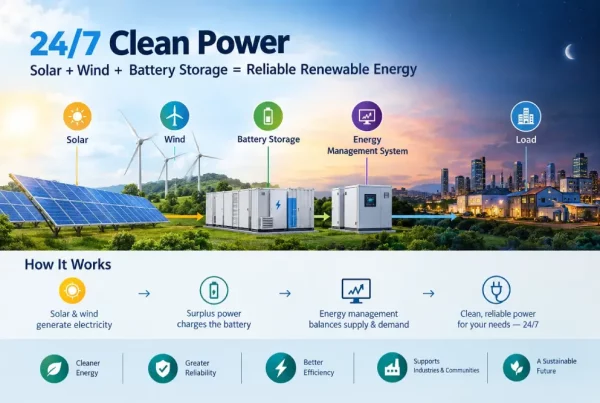
Intermittency is the most technically significant limitation of renewable energy. The sun doesn’t shine at night. Wind doesn’t blow on schedule. Unlike fossil fuel plants, which switch on or off on demand, renewables can’t always guarantee supply. Storage technology is improving steadily and becoming more affordable, but it remains expensive at an industrial scale.
Geography matters too. Open rural land is well-suited to wind turbines and large solar arrays. A shaded urban property, less so. And while manufacturing emissions for renewable systems are declining as supply chains electrify, they aren’t zero; the carbon footprint is reduced, not eliminated.
What’s Being Done to Fix Renewable Energy’s Limitations?
-
- Smarter ways to store renewable energy: Big new battery projects and clean fuels like hydrogen help save extra renewable energy for later, turning green energy solutions into more reliable energy resources.
- Smarter grids for green energy solutions: With better software and data, the power grid can predict demand, use more renewable energy resources like solar and wind, and waste less.
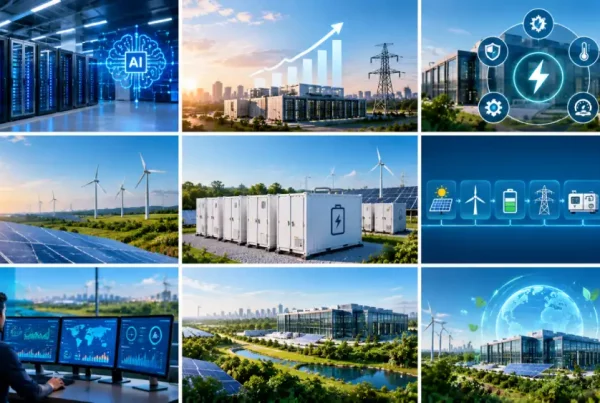
- Mixing different renewable energy resources: Combining solar, wind, and battery storage makes the electricity supply steadier and more dependable, reducing some disadvantages of renewable energy, such as intermittency.
- Cleaner from start to finish: Hydrogen can help clean up heavy industries, and more factories that build solar panels, turbines, and batteries now run on clean energy, highlighting the advantages and disadvantages of renewable energy in real-world use.
Final Thoughts
The pros and cons of renewable energy don’t add up. The case for green energy solutions is strong and gets stronger every year. Lower long-term costs, a huge drop in emissions, real energy independence, and a growing job market are all big wins. These structural changes are too significant for families and businesses to ignore.
To really plan, you need to put money into it up front, honestly look at your geography, and have realistic expectations about how often things will go wrong and how much storage you’ll need. But when you look at the whole picture, renewable energy sources are the smarter, more durable way to go. It’s clear which way to go. It’s worth making the trade-off. And we’re here to help you through every step of it with the knowledge and honesty that we bring to every green energy solution we offer.
Frequently Asked Questions (FAQs)
What is the biggest advantage of renewable energy resources?
They won’t run out. Unlike fossil fuels, solar, wind, and tidal sources replenish naturally, offering a more cost-stable and sustainable long-term energy option.
What is the main disadvantage of renewable energy?
Intermittent renewables aren’t always available on demand. Storage technology is improving, but remains expensive at scale.