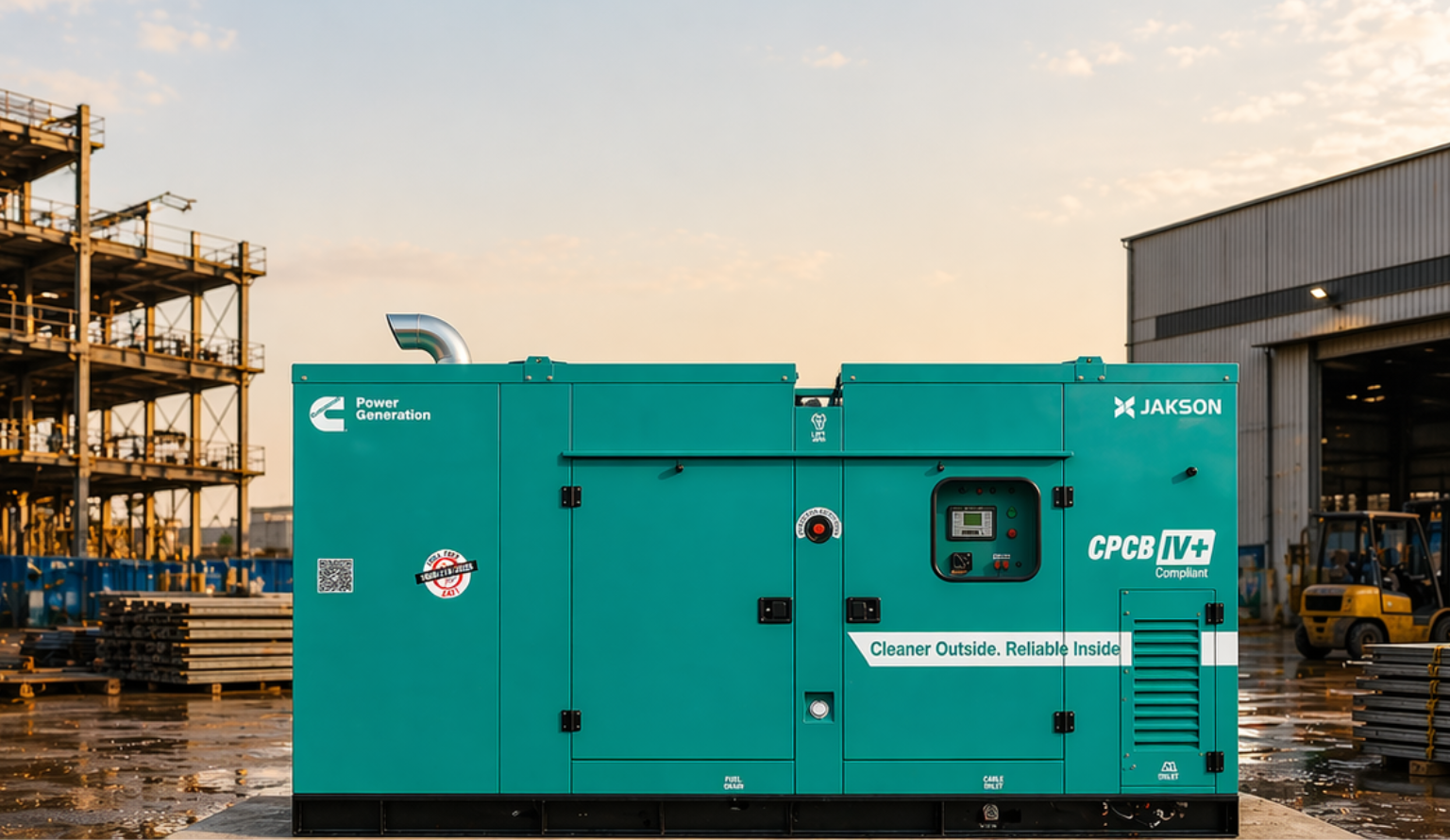
Power outages rarely arrive at a convenient moment. In residential settings, the discussion quickly shifts from comfort to continuity. Refrigeration must continue; the lights should work; and the water pumps cannot often be stopped. In warmer regions, cooling becomes part of the equation as well.
In most homes, the practical range for a diesel fuel generator falls somewhere between 5kW and 20kW. The correct size depends less on the house itself and more on the appliances running together. Some equipment, particularly motors, draws more electricity at startup than during regular operation.
The usual approach is simple. List the appliances and add their running watts. Then account for the surge when they start. That calculation normally indicates whether a small DG generator set will support essential systems or whether a larger silent generator is required. JAKSON, working across energy infrastructure and power generation solutions, generally approaches residential backup planning in this practical way.
What is a DG Generator Set?
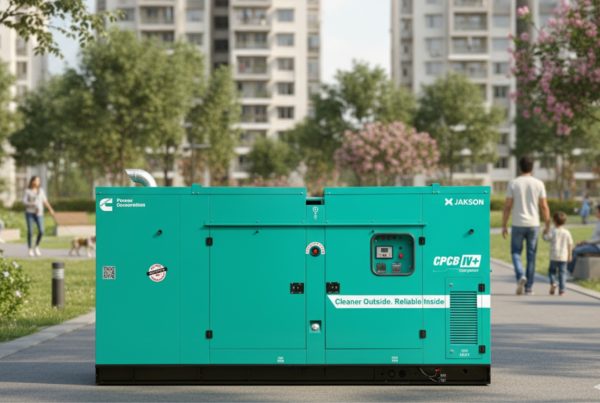
A DG generator set combines a diesel engine and an alternator to produce electricity when grid power becomes unavailable. These systems are commonly used for backup poweracross homes, infrastructure facilities and industrial environments.
Understanding Power Load Before Buying a Generator for Home
Choosing a generator without calculating the load almost always leads to the wrong size.
Start by identifying the appliances that must remain operational during an outage. The combined running watts form the base load. Starting watts from motors add a short surge above that level.
For example, a household running refrigeration, lighting, a water pump and electronics might have a steady requirement close to 4kW. Startup loads can add another 2kW momentarily. In that situation, a 7kW diesel fuel generator provides a comfortable margin.
If central air conditioning is included, the requirement may move toward 15kW or more.
Typical Appliance Power Consumption
| Appliance | Running watts | Starting watts |
| Refrigerator | 200 | 600 |
| Microwave | 1000 | 1000 |
| Water Pump | 1000 | 2000 |
| Window AC Unit | 1200 | 1800 |
| Lights (whole house) | 400 | 400 |
| TV | 200 | 200 |
| Laptop and Router | 150 | 150 |
Numbers like these make it easier to estimate the right generator for home backup power rather than relying on rough assumptions.
Features That Matter in a DG Set
- People don’t see reliability as a feature. It’s normal. The systems are designed to work well under different load conditions without frequent maintenance.
- When space is limited, a compact design is important. These solutions are designed to work in tight spaces without affecting performance or accessibility.
- Technology is used where it counts. The focus is still on making things better in a practical way, not on making things more complicated for no reason. Systems are built to meet current needs while still being flexible.
- When designing something, you have to think about the environment. The goal is to provide power solutions that support cleaner energy goals without destabilising operations.
Technicians often recommend physically checking the control panel before purchase. A simple interface usually makes operation easier during an emergency.
Diesel Backup Systems Alongside Renewable Energy Sources
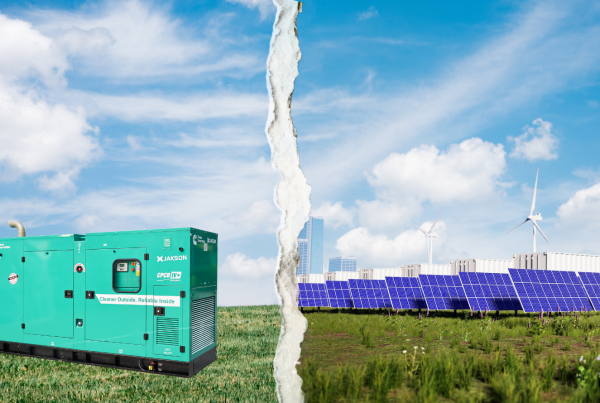
Some homeowners now combine generators with renewable energy sources, particularly solar systems. Solar panels meet electricity demand during the day, and a diesel generator can handle heavier loads or longer grid outages.
This setup lets the generator run only when needed, saving fuel and keeping backup power reliable.
JAKSON works on energy infrastructure and distributed power systems, and they are seeing more and more of this hybrid setup in homes.
Selecting a generator rarely comes down to brand alone. Load calculation, installation space, noise considerations and maintenance habits usually matter more.
A properly sized diesel fuel generator simply keeps the home functional when grid power disappears.
And when electricity returns, it waits quietly until the next outage.
FAQ
Most homes require a generator between 5kW and 20kW, depending on appliances running during an outage and whether systems like air conditioning need power.
Generator prices usually depend on capacity, enclosure design, control systems, and fuel-efficiency features.
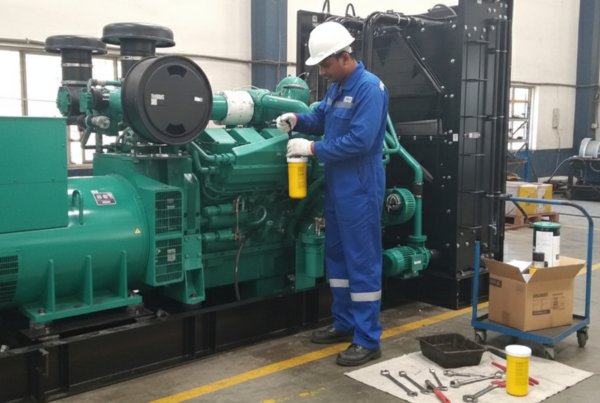
A weekly test run with load is generally recommended to ensure the DG generator set remains ready for use.