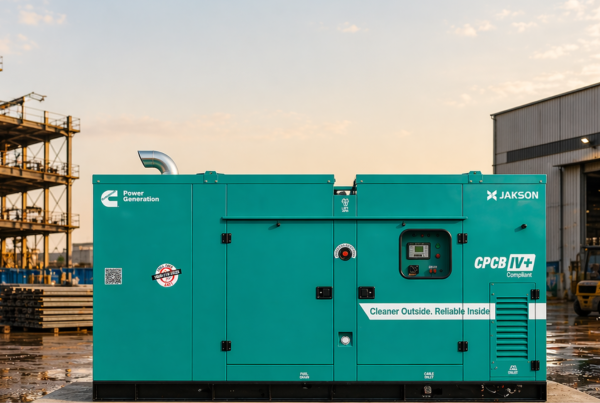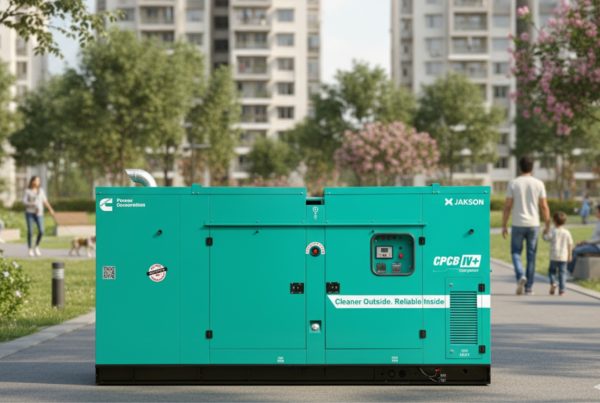
Diesel generator sets remain the most popular backup power option for businesses worldwide. Even though other backup options have become available in the last few years, diesel gensets are still the best choice for industrial customers because they are durable, reliable, and perform well. Technological advancements in diesel engines over the years have also helped this industry maintain its competitive edge.
Although diesel gensets remain a popular choice, they have faced a few challenges of late. These include rising fuel costs, the growth of renewables, government regulation, and increased environmental activism that call for a complete shift to renewable energy. While this argument might look easy on the surface, a complete shift from diesel gensets to any existing renewable source is not possible, as renewables are intermittent and can never replace the reliability of gensets for instant backup power. Renewable energy systems with storage could pose a threat in the future. However, current energy generator prices are unsustainable and cannot compete with the economics of gensets for industrial consumers.
Rising Diesel Costs & Dropping Solar Prices
The genset industry does not face any instant threat from the renewable industry. However, rising diesel costs are a concern for industrial users seeking to reduce operational costs in a highly competitive marketplace.
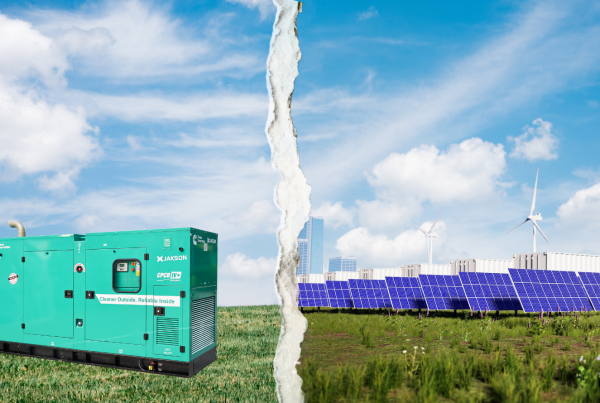
To address this growing concern, the genset industry has been integrating new technologies to help it adapt to changing times and remain relevant in the future. One of the most successful efforts in this direction has been the integration of solar power with diesel gensets to create a hybrid power generator that offers users the reliability of diesel gensets and the cost economics of solar power.
Hybrid Diesel Generators
Hybrid diesel generators set combine the reliability of diesel generators and the cost efficiencies of solar power to provide industrial users the best of both energy resources. The working principle of a hybrid diesel generator is simple. Solar energy resources generated by the modules during sunlight hours reduce the load on diesel gensets, saving fuel and lowering operating costs. Power from the diesel engine provides the required frequency and voltage to firm up the DC current from solar panels and stabilise the load.
The heart of this system is a highly sophisticated digital system controller. This automated controller maximises the solar panels’ load during peak sunlight hours for energy production and minimises diesel generator use, thereby reducing fuel consumption.
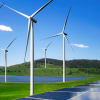
Hybrid diesel generators can be a combination of multiple energy sources with a diesel generator set. These include renewable sources such as solar, wind, biomass, and tidal energy, amongst others.
Battery Storage
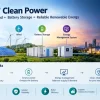
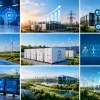
Most modern-day diesel genset-solar hybrid energy systems include a battery bank or energy storage system in addition to the above combination. Including storage in this configuration further reduces diesel consumption, as the battery bank provides grid power from solar panels during the day or in the event of grid load failure in on-grid locations. Battery storage is a must-have for off-grid hybrid systems in remote locations. At such locations, the battery bank provides stability for current flow, minimising diesel generator use and saving costs.
Adding battery storage to diesel-solar hybrid systems initially incurs high capex costs. However, operational cost efficiencies throughout the system’s lifecycle prove advantageous and cost-effective in the long run.
Ideal Solution for Industrial Users
Although power generation in India has been improving over the past few years, diesel generator sets remain a mainstay power backup solution for industrial users. The operational hours of diesel gensets for industrial users remain the highest amongst all genset users. As such, shifting to a diesel-solar hybrid energy system is ideal for this user segment to reap the benefits of this emerging technology.
FAQ:
Yes, in many hybrid systems, batteries help store solar power and provide stability, especially in off-grid setups.
Yes, they can also integrate wind, biomass, and other renewables along with diesel.
Solar panels generate electricity during the daytime, reducing the load on the diesel generator. A smart controller balances when to use solar and diesel power, minimising fuel consumption.
Absolutely. Even for grid-connected units, hybrids help absorb solar generation and reduce dependency on diesel during power cuts or high-load periods.