How Are AI Data Centres Changing India’s Energy Demand?
Artificial intelligence is transforming how businesses, governments and consumers use technology. Behind every AI model, cloud platform and digital service is a physical infrastructure of servers, cooling systems, networking equipment and power systems. As AI workloads become more intensive, the electricity required to operate data centres is also increasing.
India’s data-centre capacity has grown substantially in recent years, from around 375 MW in 2020 to approximately 1,575 MW in 2026. The Ministry of Electronics and Information Technology has stated that data-centre electricity demand could reach around 17 GW by 2031–32.
Unlike many conventional commercial facilities, data centres operate continuously. This makes reliable power solutions, renewable energy and energy storage solutions increasingly important as India’s digital infrastructure expands.
Why AI Data Centres Require Reliable Power?
AI data centres operate high-performance computing infrastructure that cannot simply be switched off when electricity availability changes. Even short interruptions can affect computing workloads, data processing and critical digital services.
This creates several requirements:
- Continuous electricity availability
- Stable voltage and frequency
- Reliable backup power
- Efficient cooling systems
- Real-time power monitoring
- Reduced dependence on conventional backup generation
- Increasing access to renewable energy
India’s National Electricity planning is already accounting for emerging loads such as data centres, alongside industrial expansion and electric mobility. The government is also strengthening transmission infrastructure to accommodate growing electricity demand.
AI Is Driving Higher Energy Demand in Data Centres
Traditional data-centre workloads already require substantial electricity, but AI introduces additional demands through high-performance computing and specialised processors.
AI systems require large-scale computing resources for:
- Training machine-learning models
- Running generative AI applications
- Cloud-based AI services
- Data processing
- High-performance computing
- Real-time inference
NITI Aayog identifies data centres as an increasingly important electricity load because of their high energy intensity and continuous operation. Its 2026 scenarios project that electricity demand from data centres could reach approximately 400 TWh by 2050 and around 700 TWh by 2070 under the scenarios studied.
This makes sustainable energy and efficient power management an increasingly important part of digital infrastructure planning.
Can Renewable Energy Power AI Data Centres?
Renewable energy can play an important role in meeting the growing electricity requirements of data centres.
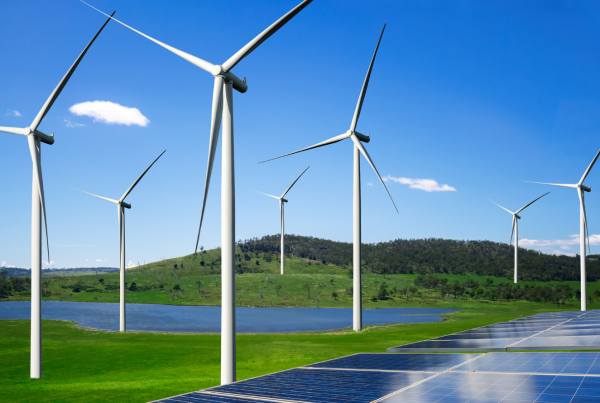
Solar and wind power can provide large quantities of clean electricity, helping data-centre operators reduce their dependence on conventional generation and support their sustainability objectives.
However, renewable energy generation is variable. Solar power is naturally concentrated during daylight hours, while wind generation varies according to weather and location.
A data centre, on the other hand, requires electricity throughout the day and night.
This creates an important role for energy storage solutions.
How BESS Can Support Data Centre Power Requirements?
Battery Energy Storage Systems, or BESS, can store electricity when it is available and release it when required.
When integrated with renewable energy, BESS can help data centres:
- Store surplus solar power
- Shift electricity consumption to appropriate periods
- Support peak-demand management
- Provide rapid backup
- Improve power quality
- Reduce dependence on fossil-fuel-based backup
- Support greater renewable energy utilisation
The Ministry of Power has identified energy storage as essential for integrating variable renewable energy and enabling 24×7 electricity supply. The National Electricity Plan projects a requirement of 208 GWh of BESS by 2030 for renewable-energy integration.
Jakson’s distributed-energy portfolio already includes BESS solutions that can operate as standalone backup systems or integrate with solar, while its broader solutions cover commercial, industrial and data-centre applications.
Renewable Energy + BESS: Building a More Resilient Data Centre
A modern data-centre power architecture can combine several technologies rather than relying on a single energy source.
A typical system may include:
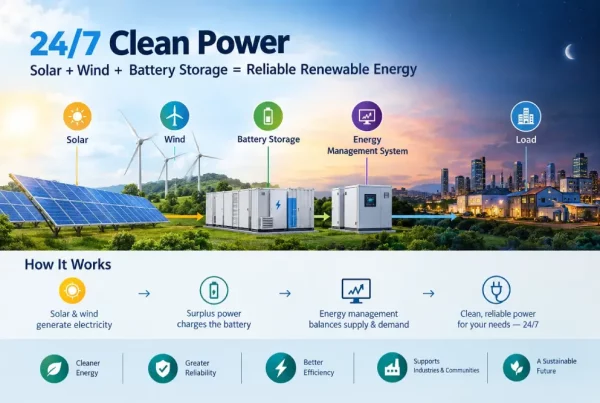
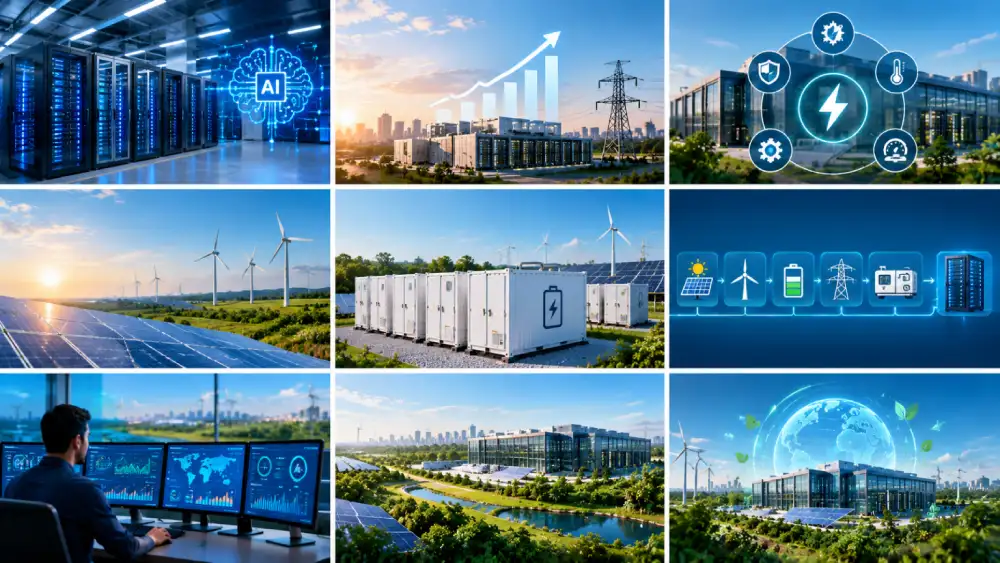
Solar + Wind → BESS → Grid → Backup Power → Energy Management System
Each component has a different role.
Solar and wind provide renewable electricity. BESS stores and dispatches energy according to demand. The grid provides additional supply, while backup systems provide another layer of resilience when required.
An intelligent energy management system can coordinate these sources based on electricity demand, renewable generation and battery availability.
This approach can help transform renewable energy from an intermittent source into a more predictable component of a 24/7 power solution.
The Role of AI in Managing Energy
There is another interesting connection between AI and energy.
The same AI technologies driving higher data-centre demand can also help improve energy management.
AI-powered systems can analyse:
- Electricity consumption patterns
- Renewable generation
- Battery state of charge
- Equipment performance
- Temperature
- Cooling requirements
- Peak-demand periods
This information can help operators forecast demand and optimise energy flows.
Jakson’s existing work on AI and remote monitoring highlights how artificial intelligence, IoT and smart energy management can be used for demand forecasting, anomaly detection and load optimisation.
Why Green Energy Is Becoming Important for India’s Digital Infrastructure
The growth of AI does not only create a technology challenge. It also creates an energy challenge.
India is simultaneously expanding its digital infrastructure and renewable-energy capacity. The government’s recent data-centre initiatives specifically highlight energy efficiency, renewable-energy use, cooling efficiency and carbon reduction as important areas for sustainable data-centre growth.
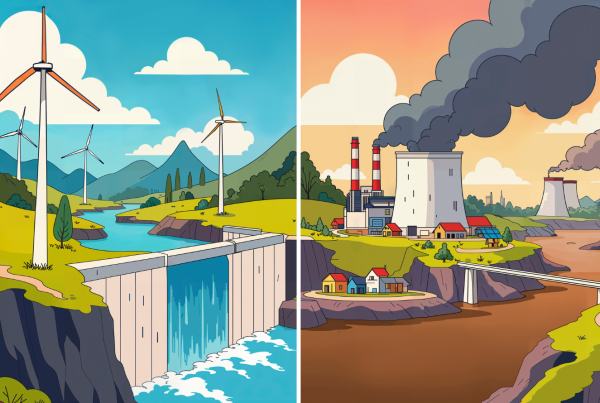
This creates an opportunity to design data centres where digital growth and the clean-energy transition progress together.
The aim extends beyond simply increasing power generation.It is to develop reliable, efficient and increasingly low-carbon power solutions capable of supporting critical digital infrastructure.
Conclusion
AI is changing India’s electricity landscape by creating new demand for high-performance, always-on computing infrastructure. As data centres expand, reliable power will become an increasingly important part of India’s digital infrastructure strategy.
Renewable energy can help meet this demand with cleaner electricity, while BESS can help address the variability of solar and wind generation by storing and dispatching energy when it is needed.
Together with intelligent monitoring, efficient cooling, grid connectivity and reliable backup systems, these technologies can support the development of more resilient and sustainable data centres.
For India, the future of AI will therefore depend not only on computing power, but also on building the energy infrastructure required to power it reliably and sustainably.
Frequently Asked Questions (FAQs)
1. Why do AI data centres consume so much electricity?
AI data centres use high-performance computing systems that require significant electricity for processing, networking, storage and cooling. Continuous operation also means that these facilities require power around the clock.
2. How can renewable energy support data centres?
Solar and wind energy can supply clean electricity to data centres. Renewable power can be combined with grid electricity and energy storage to improve reliability and renewable-energy utilisation.
3. What is the role of BESS in data centres?
BESS stores electricity and makes it available when required. It can support backup power, peak-demand management, renewable-energy integration and power-quality management.
4. Can solar power provide 24/7 electricity to data centres?
Solar power alone cannot generate electricity at night. However, solar combined with battery storage, wind, grid power and appropriate energy-management systems can contribute to round-the-clock renewable power.
5. Why is sustainable energy important for AI infrastructure?
AI and data-centre infrastructure are energy intensive. Increasing the use of renewable energy and improving energy efficiency can help reduce the environmental impact associated with their growing electricity demand.