Can Solar Panels Generate Electricity on Cloudy Days?
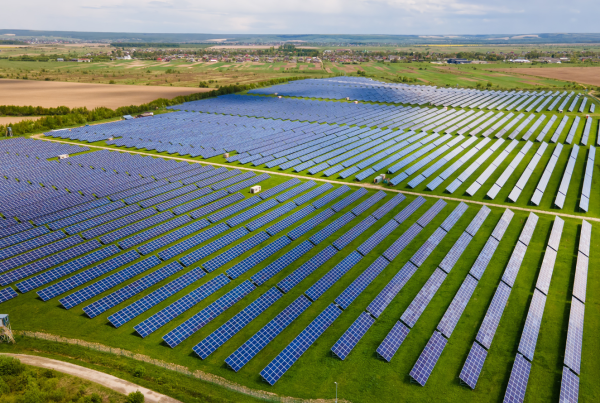
Solar energy is one of the fastest-growing renewable energy sources worldwide. With increasing awareness about sustainability and rising electricity costs, more homeowners and businesses are installing solar panels to harness clean energy. However, many wonder how different weather conditions affect solar panel performance. The truth is, weather plays a significant role in energy production, but solar panels are designed to function efficiently across various climates.
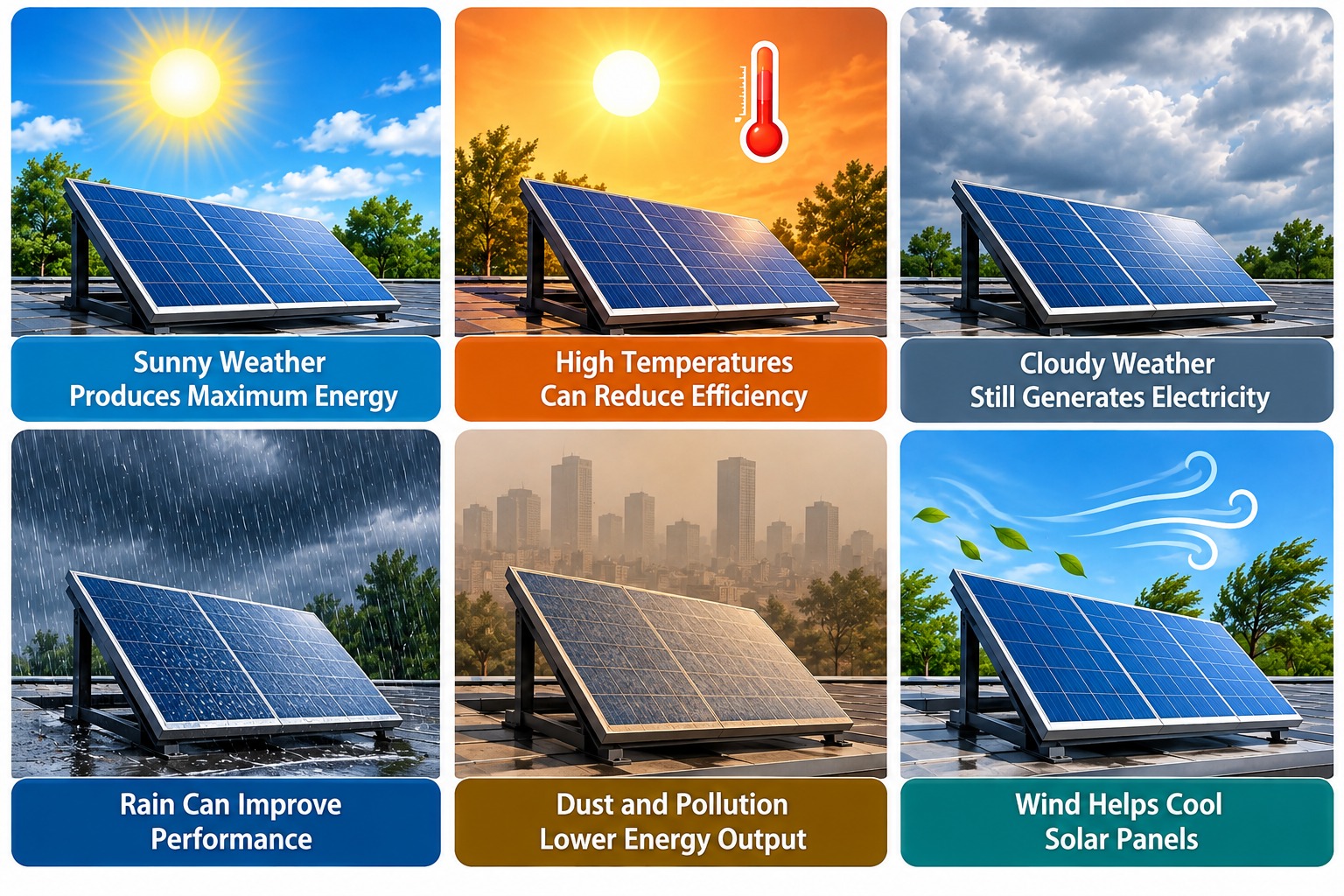
Sunny Weather Produces Maximum Energy
Bright, sunny days create the optimal environment for solar panels to generate electricity. Solar panels work by converting sunlight into electrical energy through photovoltaic (PV) cells. The more direct and intense the sunlight, the higher the power output. This is why regions with abundant sunshine often see the best solar energy yields. However, it’s important to note that maximum sunlight does not always mean maximum efficiency. Extremely high temperatures can slightly reduce a panel’s ability to convert sunlight into usable electricity.
High Temperatures Can Reduce Efficiency
Contrary to popular belief, hotter weather does not always boost solar panel performance. Solar panels have an optimal temperature range, usually around 25°C. When the temperature rises above this, electrical resistance within the panels increases, leading to a decrease in efficiency. Most modern solar panels lose about 0.3% to 0.5% efficiency for every 1°C increase in temperature above 25°C. This means on very hot days, solar panels might generate slightly less electricity than on cooler sunny days. Proper installation that allows good airflow beneath rooftop panels can help keep temperatures lower and performance higher.
Cloudy Weather Still Generates Electricity
Many people assume solar panels stop working when the sky is overcast, but this is not true. While clouds do reduce the amount of sunlight reaching the panels, solar systems can still generate electricity using indirect or diffused light. On cloudy days, solar panels typically produce between 10% to 60% of their normal output, depending on cloud thickness. High-quality photovoltaic panels are designed to perform better in low-light conditions, ensuring that solar energy production continues even during less sunny weather.
Rain Can Improve Performance
Although rain can temporarily decrease solar panel output by blocking direct sunlight, it has a beneficial effect overall. Rainwater washes away dust, dirt, pollen, and bird droppings that accumulate on panel surfaces. Cleaner panels absorb sunlight more effectively, often resulting in improved electricity generation in the days following rainfall. This natural cleaning effect reduces the need for frequent manual cleaning, especially in areas with regular rain.
Dust and Pollution Lower Energy Output
Accumulated dust and pollution are among the biggest factors that reduce solar panel efficiency, especially in dry, arid, or polluted regions. A layer of dust on panel surfaces blocks sunlight, decreasing electricity production significantly. Regular cleaning and scheduled maintenance are necessary to ensure panels operate at peak efficiency throughout the year.
Wind Helps Cool Solar Panels
Moderate wind plays a positive role by cooling solar panels and preventing excessive heat buildup. This cooling effect helps maintain better efficiency during hot weather. At the same time, solar panel installations must be secure enough to withstand strong winds without damage.
Tips to Maximize Solar Panel Performance
- Schedule routine inspections and maintenance to catch issues early.
- Clean panels regularly to remove dust and debris.
- Install panels at the proper tilt and orientation based on geographic location.
- Trim nearby trees or vegetation that may cause shading.
- Choose high-efficiency panels designed to perform well in varying weather conditions.
- Monitor your system’s output regularly to identify performance drops.
Conclusion
Weather affects solar panel performance, but modern solar panels generate electricity reliably throughout the year. Cool, sunny days produce the most energy, but advanced panels still work well during cloudy, rainy, or hot weather, with only slight performance changes. Proper installation, regular maintenance, and monitoring help maximize energy output, extend the system’s life, and save money over time.
Installing solar panels can lower your monthly electricity bills and support a cleaner, more sustainable future. Whether for home or business, choosing the right solar system based on your energy needs is important. Check out: Jakson’s Solar Rooftop Solutions to find a system that fits your needs and helps you use renewable energy effectively.
Frequently Asked Questions (FAQs)
- Do solar panels work on cloudy days?
Yes, they generate electricity using diffused sunlight but at reduced levels. - Does hot weather improve solar panel performance?
No, excessive heat slightly reduces efficiency despite strong sunlight. - Does rain damage solar panels?
No, rain helps clean panels and can improve performance afterward. - How often should solar panels be cleaned?
Typically every 3-6 months, depending on local dust and pollution. - Which weather condition is best for solar panels?
Cool, sunny weather with good airflow offers optimal conditions.