Power infrastructure rarely changes quickly. For decades, centralised grids carried most of the load while industries and institutions simply connected to what was available. That arrangement worked when demand patterns were predictable, and outages were tolerated as occasional disruptions.
That environment has shifted. Large manufacturing facilities, hospitals, infrastructure projects, and defence installations now expect continuous operations. Interruptions are expensive and sometimes unacceptable.
This is where distributed energy systems are gradually taking a larger role.
Instead of relying on a single remote power source, energy is generated closer to where it is actually used, often through combinations of diesel generators, rooftop solar systems, battery storage, and, increasingly, microgrids.
Centralised Systems Are Not Always Built for Continuity
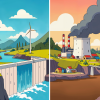
Traditional grid networks were designed around large generation plants supplying electricity over long transmission networks. That structure still exists and continues to support national demand. But it does not always address the operational realities faced by industrial users.
Factories, commercial campuses, data facilities, and defence installations do not operate on flexible timelines. Production lines stop when power stops, critical systems shut down, and backup becomes necessary rather than optional.
For many organisations, the question has slowly changed from whether backup is required to how reliable the backup infrastructure should be.
Distributed energy solutions begin answering that question by placing generation closer to the point of use.
A reliable power supply becomes less dependent on a single external grid condition.
The Shift Toward Industrial Distributed Energy
Industrial distributed energy is not a single technology. It is usually a combination of several systems working together.
At its simplest level, a facility may operate diesel generators for immediate backup. As solar rooftop installations develop over time, additional layers reduce dependence on external supply during daylight hours. Battery energy storage systems are beginning to stabilise energy flows. Hybrid configurations gradually form.
The structure evolves based on what the facility needs.
Companies’ distributed energy portfolios reflect this mix. Most of the company’s solutions include diesel generators, rooftop solar systems, battery energy storage systems, hybrid energy solutions, and microgrids. Each plays a role in maintaining operational continuity.
The idea is not to replace the grid entirely. It is to build a system that continues functioning when external conditions become uncertain.
That balance is what many industries now look for.
Captive Power Solutions Are Becoming Normal Practice
Captive power solutions used to be associated mainly with large manufacturing facilities. Heavy industries often installed their own generation capacity simply because grid reliability could not support continuous production.
Today, the same thinking is appearing across a wider range of sectors.
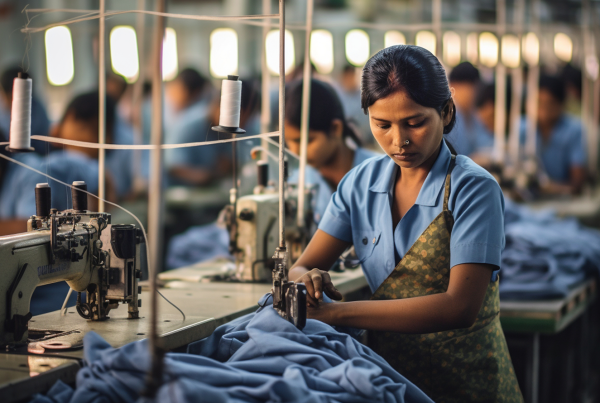
Commercial complexes, logistics hubs, infrastructure projects and defence operations now rely on controlled power systems that can operate independently when needed.
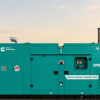
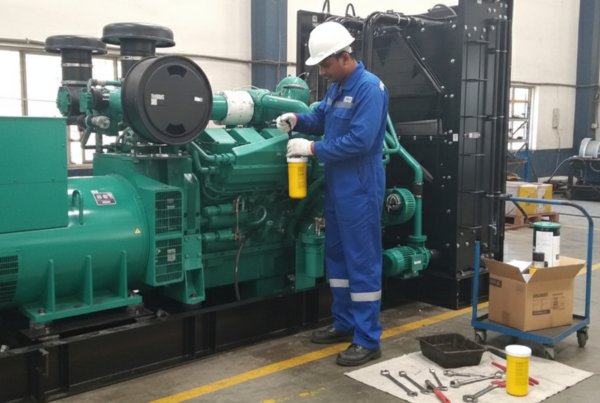
Companies’ history in diesel generator manufacturing plays a direct role here. They began by pioneering silent gensets in India and continue manufacturing CPCB IV-compliant gensets designed for dependable backup operations.
Manufacturing capacity alone reflects the scale of this work.
These units form a foundational layer in many captive power solutions.
Backup is no longer treated as a temporary arrangement. It becomes part of the facility’s permanent energy architecture.
Energy Resilience Comes from Multiple Layers
One generator is useful, but resilience usually comes from combinations.
Distributed energy systems often combine multiple technologies so that no single source becomes a point of failure. If one layer reduces output, another compensates for it.
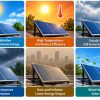
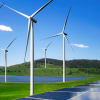
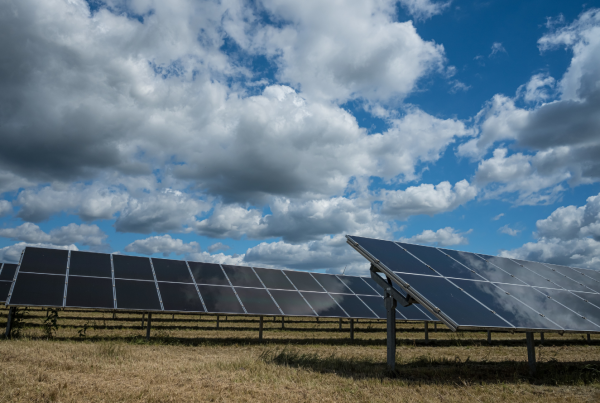
Solar rooftop systems have become one such layer. The company’s solar rooftop portfolio now provides on-site generation for businesses and institutions looking to diversify their energy sources.
Battery energy storage systems add another operational advantage. They stabilise fluctuations and allow stored energy to be used when demand rises or the grid supply becomes inconsistent.
Hybrid energy solutions integrate these technologies.
The outcome is not just backup capacity, it is operational flexibility.
Facilities gain the ability to manage power internally rather than reacting only to external supply conditions.
Microgrids Are Expanding the Distributed Model
Microgrids take the distributed energy approach one step further.
Instead of individual systems operating in isolation, microgrids enable several energy sources to operate within a coordinated local network. Diesel generators, solar installations and battery storage can all contribute to the same internal power structure.
This configuration becomes especially useful for campuses, defence infrastructure, industrial clusters and remote installations where central grid supply may be inconsistent.
Companies offers microgrid solutions designed for such environments. In many cases, the objective is to maintain a reliable power supply regardless of external conditions.
When systems operate together rather than independently, reliability increases noticeably.
Experience Matters in Distributed Energy
Distributed energy infrastructure does not appear overnight. It has evolved over decades of practical work with energy systems.
Environmental impact has also become part of the conversation. companies energy solutions have helped prevent 250,000 tons of CO₂, underscoring how hybrid and solar systems are gradually becoming part of distributed power strategies.
In certain applications, reliability expectations are even higher.
We also supply defence-grade power solutions, supporting the operational requirements of the Indian Army in environments where infrastructure must perform under difficult conditions. These applications reveal something about distributed energy.
When reliability truly matters, organisations rarely rely on a single power source.
Final Thoughts
Distributed energy did not emerge from theory because it came from operational experience.
Industries needed dependable backup, infrastructure projects needed stability and defence installations required systems that function regardless of grid conditions.
Gradually, multiple technologies began working together: diesel generators, rooftop solar installations, battery storage, and microgrids.
Centralised power will always remain important.
But closer, controlled energy systems are becoming equally essential for organisations that simply cannot afford uncertainty.
FAQ
Distributed energy systems make electricity closer to where it is used. They are often used in industrial buildings, infrastructure projects, commercial campuses, and defence installations that need a steady supply of electricity.
Microgrids let different power sources, like generators, solar panels, and battery storage, work together in a coordinated local network. This makes the system more reliable and gives you more control over how it works.
JAKSON makes diesel generators, solar rooftop systems, battery energy storage systems, hybrid energy solutions, and microgrids. They have a lot of experience and can make many of these things at once.