Solar module tracking systems are motorised mechanical racking systems that move a solar array so that it is always facing the sun. A tracker finds the best angle for solar panels to face the sun, increasing the amount of electricity a solar power plant can generate. The angle at which the sun’s rays strike the PV solar panel tracking systemaffects the panel’s efficiency in converting sunlight into electricity. This is called the “angle of incidence.” A photovoltaic panel can make more energy if the angle of incidence is smaller. Solar trackers help reduce this angle by positioning the panels so that light hits them at a right angle to the surface.
Types of solar trackers
There are primarily two types of solar tracking systems, namely single-axis and dual-axis.
- A single-axis tracker moves PV solar panels along a single axis. This lets them arc from east to west and follow the sun as it moves across the sky.
- A dual-axis solar power tracker lets panels move on two axes, one for north-south and one for east-west. This kind of system is designed to collect even more solar energy year-round. It does this by tracking the sun’s daily east-west movement and accounting for how its path changes with the seasons.
Benefits and drawbacks of solar trackers
The biggest benefit of a solar tracking system is that it boosts electricity production compared to a similarly sized static solar power plant. Generally, a plant installed with a single-axis solar tracker sees a performance gain of 20-30 per cent. A dual-axis tracker further increases performance by another 5 to 10 per cent. Which means a dual-axis tracker system increases performance efficiency by up to 40%. Especially in high latitude locations where the sun’s position in the sky varies dramatically between summer and winter months, a dual-axis tracking system is an effective way to maximise solar production.
Though trackers are a fantastic way to increase PV plant energy output, there are a few considerations to keep in mind. Tracking systems attract substantially higher installation and maintenance costs than static solar power plants. A solar tracker will cost more because it is a complex technology with moving parts. With a more complex system comes more maintenance, which adds up in cost over time.
Another disadvantage of a solar tracker is that it is not suitable for rooftop solar installations, which are usually characterised by lower installation costs and easier maintenance. Moreover, since tracking requires panels to be offset by a significant distance to allow for movement. This substantially limits the number of panels that can be installed and makes the system too heavy for rooftop applications.
The future of solar tracking systems
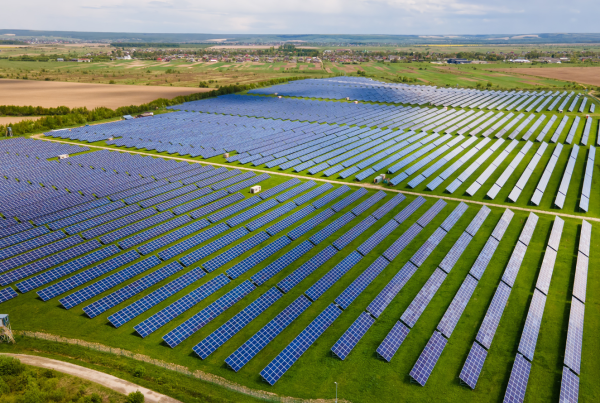
Solar trackers offer the greatest value proposition in large ground-mounted solar installations, especially in high-latitude locations where the sun’s path varies significantly between summer and winter. In these large commercial projects, the long-term benefits of increased production outweigh the initial investment and maintenance costs.
However, as PV solar panels get cheaper, the cost-effectiveness of tracking systems relative to using more panels decreases. In the past, when photovoltaic modules were comparatively more expensive, it made sense to minimise the number of panels used in a plant with a given power output.
Therefore, in the current scenario, the economic viability of solar trackers depends directly on the available space for setting up a solar plant.
FAQ:
They are widely used in large ground-mounted solar farms where maximising energy yield is a priority, and sufficient space is available.
Yes. Since they have motors, gears, and moving parts, routine inspections and servicing are needed to ensure smooth operation.
There are two types of solar panel tracking systems: Single-axis trackers, which rotate on one axis (usually east–west). Dual-axis trackers, which rotate on two axes for more accurate sun tracking.