Energy is the backbone of every industry, every infrastructure decision, and, increasingly, every investment conversation. Yet most organisations still operate without a clear understanding of where their energy actually comes from and what that means in the long term.
Here’s the thing: not all energy is created equal. Renewable and non-renewable energy sources are two types of energy sources with distinct advantages and disadvantages, and both play a role in powering the planet and our daily lives. Understanding the difference between the two isn’t just academic. It shapes procurement strategy, regulatory exposure, and capital planning at every level.
So, let’s unpack it properly. Not just definitions, but behaviour, trade-offs, and where each actually stands in real-world energy systems.
What Is Renewable Energy and What Makes It Different?
Renewable energy is produced from natural sources that can be replenished over time. Sources of renewable energy are often considered a more sustainable alternative to non-renewable sources because they do not produce pollutants or greenhouse gases that harm the planet.
The main types of renewable energy sources are solar, wind, biomass, hydroelectric, and geothermal. Each draws from a self-regenerating natural process, which means no finite reserve is being drawn down. The fuel is free. The capital outlay is front-loaded, but the input cost over the life of the asset trends toward zero. That’s the core economic logic.
Does Renewable Energy Genuinely Help the Environment?
Yes, and the data is direct. One of the key advantages of renewable energy is that sources do not emit greenhouse gases, which are the primary cause of climate change. Sources of renewable energy, including wind and solar power, are helping to reduce CO₂ and other harmful pollutants in the atmosphere.
Global leaders have stated that by 2030, we must turn to renewables to make up 50% of our energy sources to help the planet become net-zero by 2050. That’s not aspiration, it’s a policy target with real investment flows behind it.
What Are the Disadvantages of Renewable Energy You Need to Plan Around?
Intermittency is the primary engineering constraint. Although sources of renewable energy are infinite, they are not always available 24/7 as they rely on natural resources. For example, if the weather is poor and the sun doesn’t shine, solar PV panels cannot work. Similarly, if the wind isn’t strong enough, onshore and offshore wind farms cannot operate at optimal capacity.
Upfront costs are real, too, though the trajectory is shifting. The installation costs of renewable energy technologies like solar PVs have declined by as much as 80% over the last decade, and this decline will likely continue over the next 10 years.
Non-Renewable Energy and Why It Still Dominates?
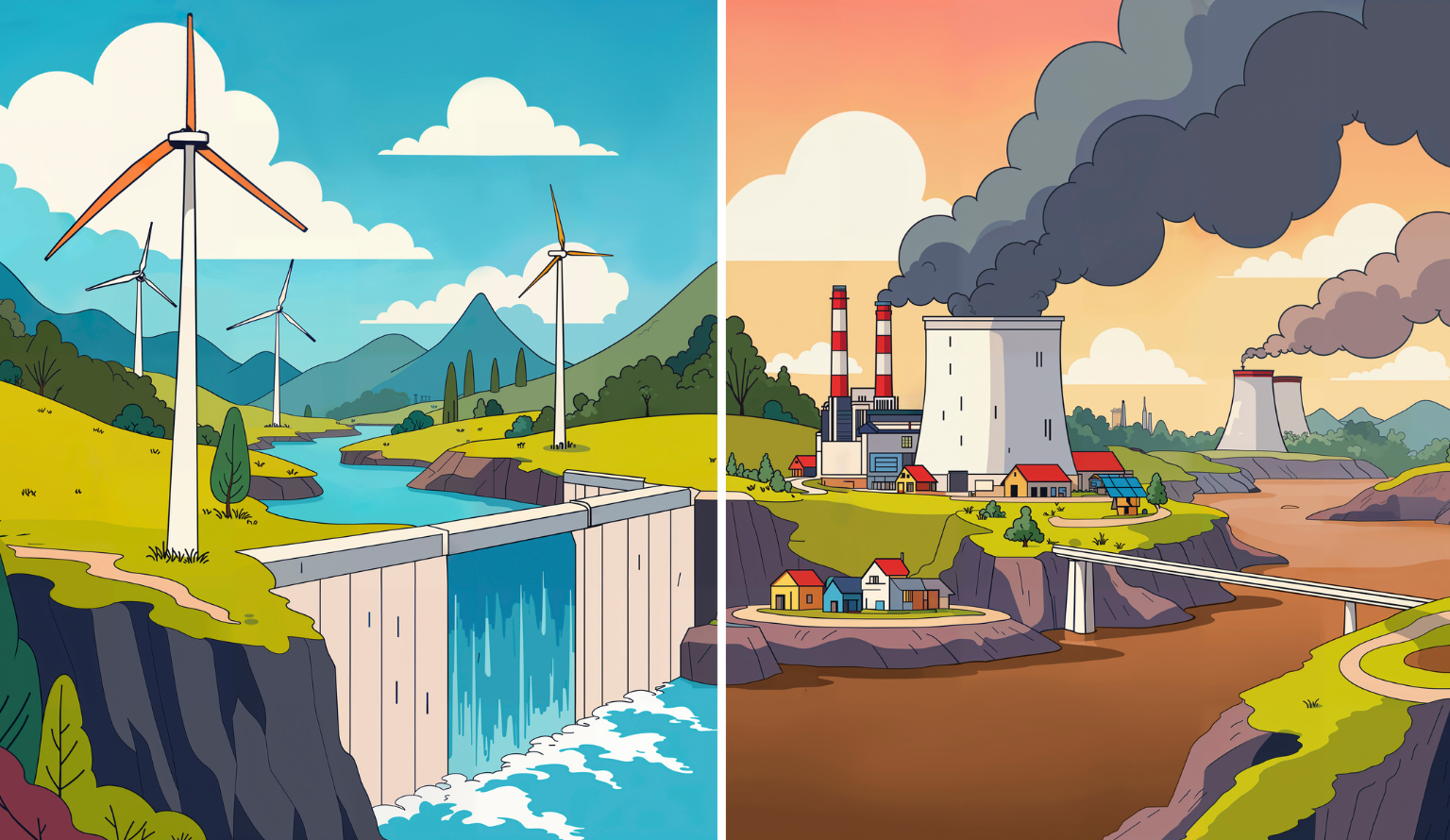
The most significant difference between renewable and non-renewable resources is that non-renewable energy comes from finite resources that will eventually be depleted. Non-renewable energy sources produce pollutants, such as greenhouse gases.
The types of non-renewable energy resources are coal, oil, natural gas, and nuclear energy. Non-renewable energy sources form over millions of years from the remains of animals and plants – hence the term ‘fossil’ in fossil fuels, and cannot be replaced once they are used up.
How soon does depletion become a real concern? Numerous experts estimate that all fossil fuels will be depleted by 2060, with oil deposits gone by as early as 2052. For a 30-year capital asset, that’s not a distant abstraction. It’s a material risk.
Are There Any Genuine Advantages to Non-Renewable Energy?
Honestly, yes, and they’re worth stating plainly. Non-renewable energy sources can generate more energy than renewable energy sources as they are more concentrated. The efficiency of coal and natural gas power plants is 40% and 60%, respectively, compared to solar panels, which can only reach 15% to 20%.
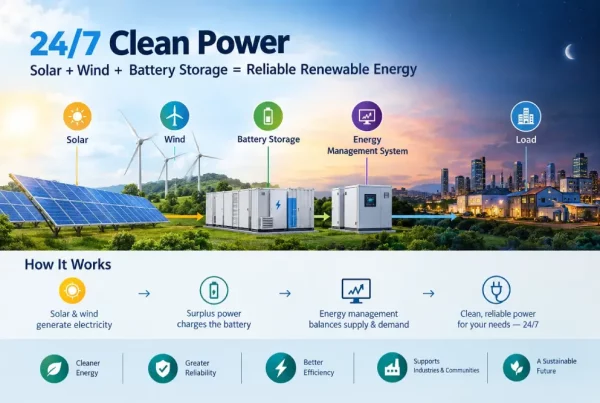
Reliability is the other structural advantage. Non-renewable energy can generate power 24 hours a day, seven days a week, whether through power plants, pipelines, or various modes of transportation, regardless of weather conditions. That baseload consistency is something renewables still need storage and hybrid systems to match.
The Difference Between Renewable and Non-Renewable Energy
| Parameter | Renewable Energy | Non-Renewable Energy |
| Replenishability | Continuously replenished | Finite; cannot be replaced |
| Greenhouse Emissions | No emissions during operation | 75%+ of global greenhouse gases |
| 24/7 Availability | Weather-dependent | Available regardless of conditions |
| Efficiency | Solar: 15–20% | Coal: ~40%; Gas: ~60% |
| Installation Cost | High upfront; declining rapidly | Lower upfront; established infrastructure |
| Depletion Risk | None | Oil by ~2052; all fossils by ~2060 |
Final Thoughts: The Difference That Demands a Decision
Renewable energy is important for building a sustainable future and is a source of energy we can rely on for many years to come. Despite non-renewable energy having some benefits, its adverse effects on the planet outweigh its positives, and the continued use of non-renewable resources is becoming increasingly problematic.
Every energy decision made today either builds operational resilience or borrows against a depleting reserve. The organisations that understand this distinction and act on it with engineering precision are the ones best positioned for what’s ahead.
At JAKSON, we engineer that transition. From solar EPC projects to hybrid power systems and energy storage solutions, we help organisations move from fossil fuel dependence toward reliable, future-proof infrastructure. The question isn’t whether to make the shift. It’s whether you’re ready to do it right.
FAQ
Sources of renewable resources are those that can be replenished over time, while non-renewable resources cannot.
Coal, oil, natural gas, and nuclear energy are all finite, all formed over geological timescales.
Renewable energy sources do not produce pollutants or greenhouse gases that harm the planet, unlike fossil fuels, which account for over 75% of global emissions.
Numerous experts estimate that all fossil fuels will be depleted by 2060, with oil deposits gone by as early as 2052.
Yes. Solar PV installation costs have declined by as much as 80% over the last decade, and this decline will likely continue over the next 10 years.