Solar-powered homes work pretty simply. It begins with photovoltaic cells, small units that are usually 1–2 watts each and made of silicon, a semiconductor and insulator.
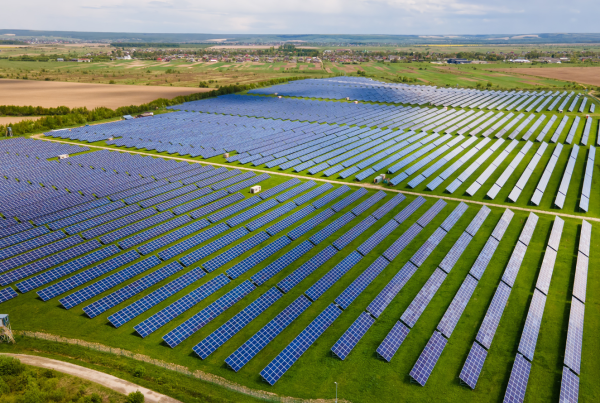
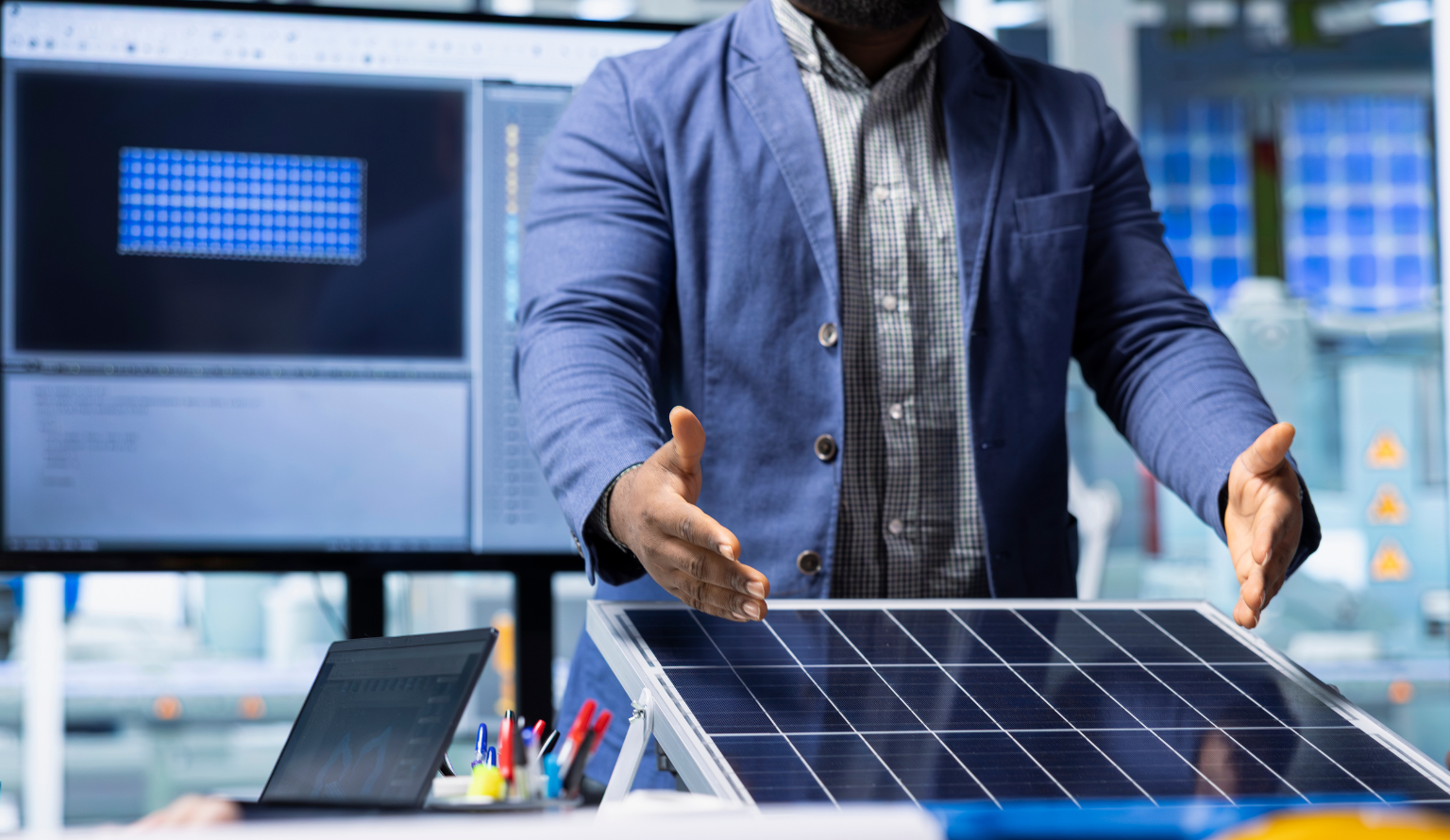
When many of these cells are linked together, they form modules. Several modules create what most people refer to as solar panels for rooftopinstallations. In a typical solar system for home use, these panels are arranged in arrays to generate enough electricity for everyday household use.
Manufacturers protect the cells carefully. The cells sit between glass or plastic layers designed to keep the weather out, while an anti-reflective coating helps absorb more sunlight instead of letting it bounce away.
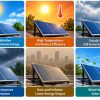
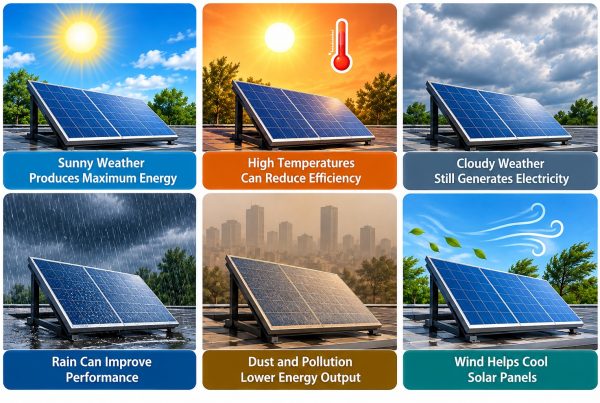
JAKSON operates as a solar EPC and designs these systems so the panels face the sun at the right angle. The goal is simple. Capture sunlight efficiently, even on cloudy days.
What happens when sunlight hits solar panels on the rooftop?
Solar panels act differently from asphalt roads and other surfaces that just get hot in the sun.
Solar panels for home systems don’t turn sunlight into heat; instead, they absorb it. These photovoltaic cells turn sunlight into electricity.
The process moves step by step:
-
- Sunlight Absorption
The PV cells absorb energy from sunlight. Instead of warming the surface, this energy triggers electron movement within the cell.
-
- Direct Current Generation
Metal plates attached to the cells collect these moving electrons. The electricity produced at this stage is direct current, or DC.
-
- Power Transfer Through Wiring
DC electricity travels through connecting wires within rooftop solar panels.
-
- Conversion Through the Inverter
Homes run on alternating current. So a solar inverter converts the DC electricity into AC power that can operate appliances, lighting, and household equipment.
This entire flow happens quietly in the background oncesolar panel installation is complete.
Choosing Between Different Solar Panels for Home Systems
Not all solar panels are built the same. The technology differs slightly depending on design and manufacturing method.
Solar Panel Types Used in Residential Installations
| Panel Type | Characteristics | Typical Use |
| Monocrystalline | Most common and generally more efficient. More expensive but suitable where roof space is limited. Some models include an additional conductive layer for improved energy absorption. | Often used for smaller residential roofs |
| Polycrystalline | Older technology. Lower efficiency but more affordable. Panels may vary slightly in colour and consistency. | Budget-focused solar system for homeprojects |
| Thin-Film | Sleek, completely black appearance. Least efficient of the three types, meaning more panels are required for the same output. | More common in large solar farms |
Choosing the right panel often depends on available roof space, solar panel price considerations, and overall system design.
The Financial Side of Solar Panel Installation
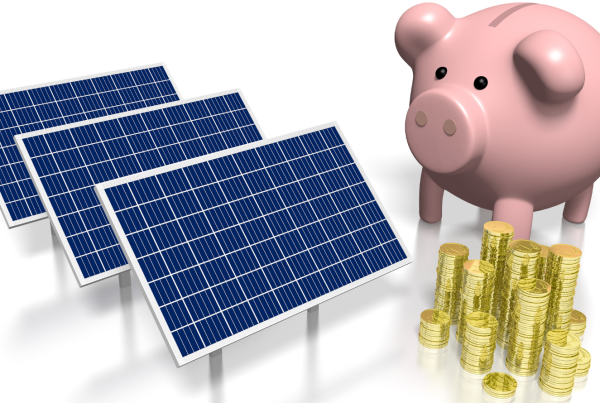
Solar panel price trends have shifted over time. Installation costs have dropped by more than 50 per cent over the past decade.
Once the installation cost is recovered, the ongoing maintenance of rooftop solar panels is minimal. Panels typically last 25 to 40 years.
Average savings typically range from ₹ 90,000 to ₹ 140,000 per year, depending on location, energy consumption, and system size. Over the life of a solar system for home installations, many homeowners report savings between $20,000 and $96,000.
There’s one more useful detail. Installing solar panels may increase your home’s value, especially in areas where more people are using renewable energy.
Where the System Becomes a True Home Energy Setup
Hybrid solar systems allow a home to operate almost like a small energy network.
With battery storage and a smart electrical panel, homeowners can manage electricity use based on production levels, electricity costs, and battery capacity.
Storedsolar renewable energy can then power the home at night or during periods of low sunlight. The result is steady energy availability across the day.
JAKSON, working as a solar EPC company,the real objective is not simply installing panels. It is designing a solar system for home environments that stays reliable for decades.
FAQ
How long do solar panels for home systems typically last?
Most panels operate effectively for 25 to 40 years with minimal maintenance once installed.
Can excess electricity from a solar system for home use be sold back to the grid?
Yes. Grid-connected systems can export surplus electricity through net metering arrangements.
Does installing solar panels increase property value?
In many cases, it does. Homes equipped with solar renewable energy systems often attract higher buyer interest.