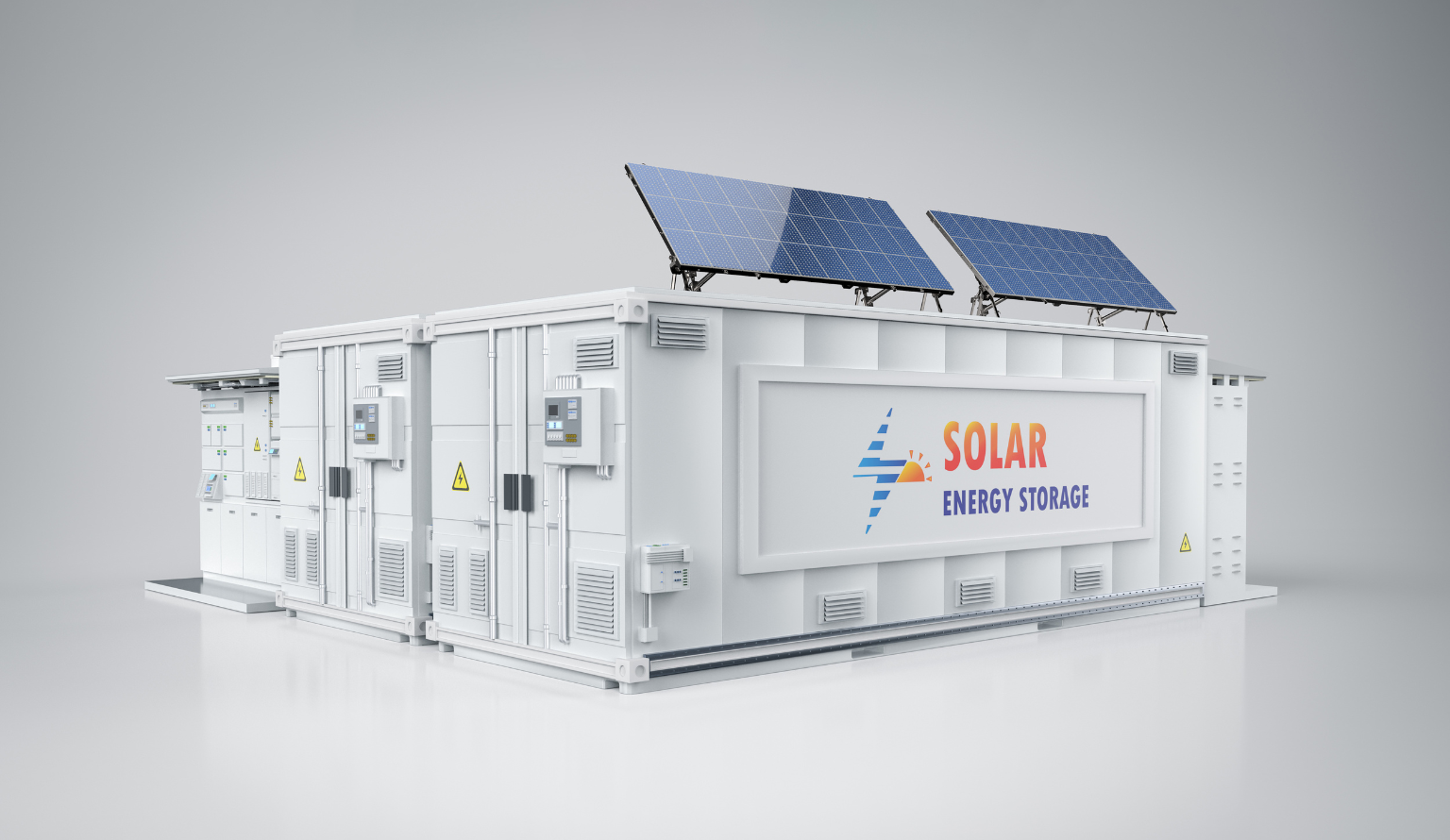
Defence installations are built around certainty. Operations cannot pause because supply falters. In these settings, the reliability of power isn’t just a matter of convenience. It’s essential for communication networks, surveillance systems, data processing, and secure facilities, all of which require constant operation.
For defence environments, evaluating battery energy storage systems’ defence, reliability and lifecycle performance are central considerations. Hybrid configurations combining solar generation with storage are increasingly part of the discussion around mission-critical power solutions.
Solar Power Integration in Controlled Environments
Solar power for defence installations is practical when properly integrated. Jakson’s portfolio includes N-type and P-type modules such as:
These configurations allow adaptation across varied structural environments. Glass-glass construction and bifacial capability offer structural resilience and generation flexibility depending on installation design.
For defence campuses or perimeter-controlled installations, rooftop solar becomes part of the base-level energy supply. It reduces reliance on external feed sources and also plays a role in hybrid power systems for defence setups.
Solar generation alone, however, is not sufficient. It must be paired with structured storage.
Operational Demands of Defence Infrastructure
Defence facilities operate under continuous load conditions. Interruption is not acceptable. Systems must remain active even when the grid supply becomes unstable.
This requirement aligns with the structured battery energy storage systems in India, which are designed for uninterrupted operation. The expectation is immediate response, seamless transfer, and sustained output. Backup cannot be slow. It cannot fail under peak demand.
EnerPack and Battery Storage Capability
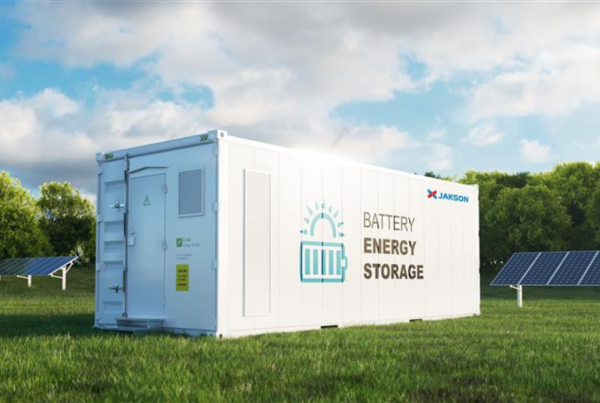
Jakson’s EnerPack system provides reliable, efficient, and sustainable energy solutions with user-friendly operation.
The stated attributes include:
- Zero carbon emission
- Silent and clean power
- Uninterrupted power supply
- Instant backup
- Zero maintenance
- Modular construction
- Negligible running cost and high life cycle cost
- Zero operational losses like fuel theft
- No statutory approvals required
- Designed for heavy-duty loads
- Wide product range
For defence applications, several of these characteristics stand out.
Instant backup ensures there is no operational gap during transition. Silent and clean power reduces the acoustic footprint. Designed for heavy-duty loads aligns with defence-grade infrastructure demand.
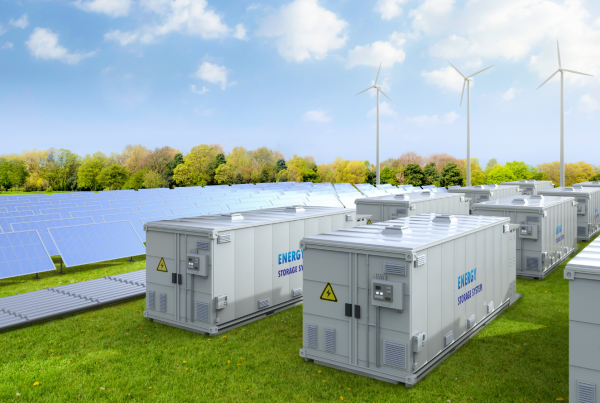
A battery energy storage system, built for tough jobs, is a must-have for dependable power. It smooths out the load, absorbs any swings, and provides a structured backup when the grid goes down. Plus, its modular setup makes it simple to expand as needed. Smaller, preliminary bases might call for more compact arrangements. Larger defence complexes can deploy expanded systems without architectural redesign.
Hybrid Power Architecture
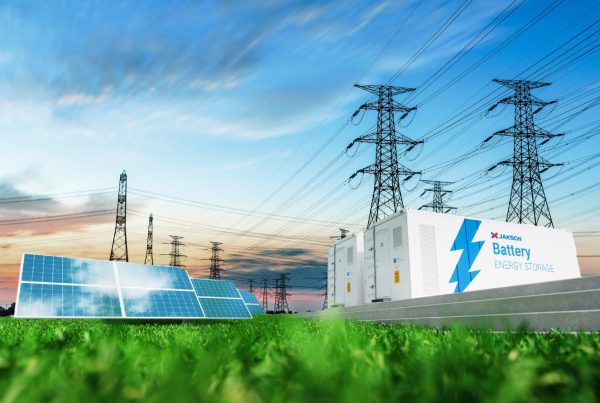
Hybrid power for defence environments typically integrates solar generation with battery storage. The objective is continuity, not experimentation.
Zero operational losses, such as fuel theft, are operationally relevant in controlled installations. Reduced dependence on fuel-based generators simplifies logistics.
The reference to negligible running costs and high life cycle also addresses the sustainability of deployment. Defence systems are not replaced frequently. They are expected to perform over extended service periods.
In India, lifecycle reliability is part of procurement evaluation for battery energy storage systems. Systems must perform predictably across operational years.
Reliability Features for Critical Installations
The EnerPack description references an uninterrupted power supply and instant backup. These are not marketing phrases. They define suitability for defence infrastructure.
Silent operation reduces noise signatures. Clean power eliminates emissions at the point of use. Zero maintenance indicates reduced on-site technical burden. For remote or high-security installations, minimal maintenance intervention is operationally useful.
No statutory approvals required simplifies deployment timelines in certain contexts.
Designed for heavy-duty loads suggests capability alignment with infrastructure that draws substantial power continuously. This is essential for radar systems, communication hubs, secure data centres, and perimeter control networks.
A wide product range enables flexible configuration across installations of different scales.
This structure supports mission-critical power solutions without overreliance on external supply variables.
Conclusion
Defence installations do not evaluate energy solutions casually. Reliability, durability, and operational predictability define procurement decisions.
The defence applications of battery energy storage systems demand reliability above all else, rather than novel concepts.
The architecture described through Jakson’s portfolio reflects that expectation. It is not experimental infrastructure. It is operational equipment designed to remain active when continuity matters most.
FAQ
Yes. The system provides instant backup and an uninterrupted power supply.
Yes. It is described as designed for heavy-duty loads and mission-critical applications.
Yes. Solar modules from Jakson’s portfolio can be combined with battery systems to form hybrid power configurations.