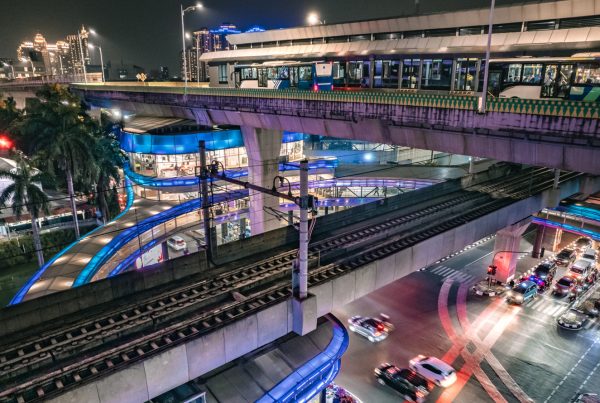

Smart infrastructure in India has transitioned from an aspirational concept to a concrete reality, developing significantly across our urban landscapes. As the nation experiences rapid urbanisation, the demand for advanced digital infrastructure, robust power systems, and innovative civic planning has become increasingly vital. Smart infrastructure is facilitating a transformative shift in urban development, essential for accommodating growing populations, promoting sustainable energy solutions, and ensuring the provision of future-ready urban services.
Central to this transformation is our EPC Infrastructure business, which offers comprehensive turnkey solutions that are redefining the construction, energy management, and connectivity of Indian cities.
What Smart Infrastructure Really Means for Urban India
Smart infrastructure India signifies a robust network of advanced systems that seamlessly integrate power, digital technologies, water management, public transport, and civil structures. This approach empowers cities to operate more efficiently, sustainably, and resiliently. From smart grid systems to intelligent substations, electrified metros, and sophisticated water distribution networks, these elements are all grounded in cutting-edge engineering and technology.
Key Drivers of India’s Urban Infrastructure Transformation
India’s cities are expanding rapidly, demanding smarter systems, efficient utilities, and scalable infrastructure that support sustainable and future-ready urban development.
- Digital & Power Infrastructure Fueling Smart Cities India
A strong digital and power foundation enables stable energy flow, renewable integration, peak-load management, and smooth delivery of essential services across smart infrastructure India.
- Modern Transmission & Substations Enhancing Urban Power & Infrastructure in India
High-voltage transmission lines and advanced AIS/GIS substations ensure safe, reliable, and space-efficient power distribution, strengthening the backbone of urban infrastructure transformation.
- Rail & Metro Electrification Powering Smarter, Cleaner Urban Mobility
Next-generation metro electrification systems, supported by overhead equipment and upgraded power supply networks, reduce emissions and improve the reliability of transport in smart cities India.
- Smart Electrification & Civil Infrastructure Shaping Future-Ready Cities
Efficient building electrification and modern civil infrastructure roads, bridges, hospitals, and commercial spaces enhance resilience and support long-term infrastructure solutions for cities.
- Intelligent Water Systems Driving Sustainable Urban Growth
Advanced water networks with treatment plants, reservoirs, pumping systems, and real-time monitoring ensure a reliable supply, reduce wastage, and support a healthy digital infrastructure urban India.
How Jakson’s Integrated Solutions Accelerate Infrastructure Transformation in Cities
Jakson’s EPC Infrastructure division boasts over 78 years of expertise in the energy-infrastructure industry. They provide comprehensive Engineering, Procurement, and Construction (EPC) services, covering everything from initial design concepts to final commissioning. Our extensive portfolio includes substations, power transmission, rural and urban electrification, rail electrification, building electrification, as well as civil infrastructure and water distribution projects.
Jakson’s Service Scope and Capabilities
Power Transmission and Substations:
- Handles transmission line projects (up to 220 kV)
- Manages substation projects (up to 765 kV)
- Utilises both AIS and GIS technologies
Metro and Rail Electrification:
- Offers turnkey EPC solutions
- Covers overhead equipment, auxiliary power, signalling integration, and civil works
Civil Infrastructure:
- Engages in large-scale projects (hospitals, bridges, commercial complexes)
- Ensures end-to-end construction management
Water Distribution:
- Undertakes projects related to water supply and sewage infrastructure
- Includes treatment plants, pipelines, overhead tanks, and distribution networks
Integrated Project Management Approach:
- Guarantees transparency, accountability, and safety throughout the execution process
The Impact of Smart Infrastructure on India’s Evolving Urban Landscape
Jakson Infrastructure’s efforts are making a significant impact onurban infrastructure transformation in several ways. By reinforcing the transmission framework, they help meet the increasing energy demands of metropolitan areas and facilitate the integration of renewable energy sources. The metro electrification projects in cities like Kolkata, Mumbai, Bengaluru, and Delhi promote sustainable urban mobility.
Moreover, our work on electrified buildings paves the way for energy-efficient and future-ready urban construction. Initiatives, such as those under the Jal Jeevan Mission, enhance water infrastructure and ensure reliable access to water in expanding urban zones. Through these projects, Jakson also focuses on reducing the carbon footprint of urban development by delivering infrastructure with minimal environmental impact.
Conclusion
Smart infrastructure serves as the foundation for India’s urban transformation, with Jakson’s Engineering, Procurement, and Construction (EPC) business playing a crucial role in facilitating this change. Through its comprehensive, turnkey capabilities in engineering, procurement, and construction, Jakson is not merely erecting power lines or substations; it is actively shaping the digital infrastructure urban India, advancing the development of smart cities India, and spearheading the transformation of urban infrastructure. As urban areas in India continue to evolve, Jakson’s integrated infrastructure solutions for cities will remain central to fostering a sustainable, connected, and efficient future for cities.
FAQs
1. What is “smart infrastructure” in Indian cities?
Smart infrastructure refers to the integration of modern power grids, efficient transmission systems, rail electrification, and advanced water infrastructure aimed at enhancing the sustainability and resilience of urban services.
2. How does Jakson contribute to urban infrastructure transformation?
Jakson offers EPC services that encompass transmission and substations, metro electrification, electrification, civil construction, and water distribution—each of which is essential for promoting smart urban growth.
3. What are the key benefits of Jakson’s EPC approach?
The turnkey EPC model provides single-point accountability, streamlined project management, cost optimisation, and robust execution, ensuring a seamless process from concept to commissioning