Power interruptions remain a serious concern for many businesses, factories, and commercial facilities. In several regions, grid supply is still inconsistent, making uninterrupted operations difficult. As a result, many organizations now depend on generators for extended use, not just emergencies. Regular diesel generator maintenance tips have become essential for keeping these systems reliable over long operating hours. Jakson, through its power solutions and engineering services, supports businesses that rely on generators for a stable electricity supply.
Changing Role of Diesel Generators in Modern Facilities
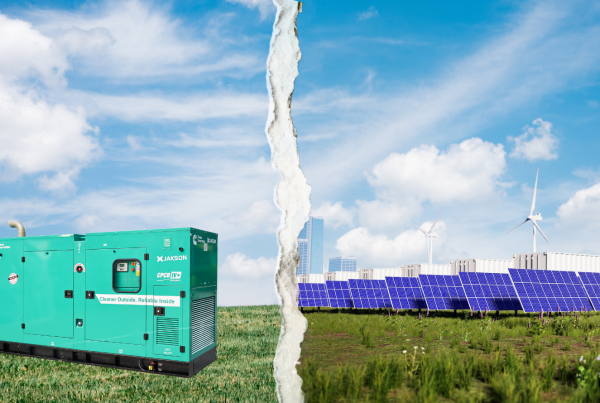
Earlier, diesel generators were mainly installed for short-term backup. Today, they are increasingly used as primary or secondary power sources, especially in industrial zones, data centers, hospitals, and construction sites.
Several factors have driven this shift:
- Frequent grid outages in some regions
- Growing demand for uninterrupted operations
- Expansion of remote industrial facilities
- Rising dependence on digital infrastructure
- Limited access to high-capacity grid connections
Generators are no longer just for emergencies and have become part of everyday power planning.
Why Businesses Depend on Continuous Generator Power
Operational disruptions can result in financial losses, safety risks, and reputational damage. For sectors such as manufacturing, healthcare, and logistics, even short outages can affect productivity.
Businesses rely on generators to:
- Maintain production schedules
- Protect sensitive equipment
- Support digital systems
- Ensure safety operations
- Meet regulatory requirements
Importance of Structured Servicing and Inspections
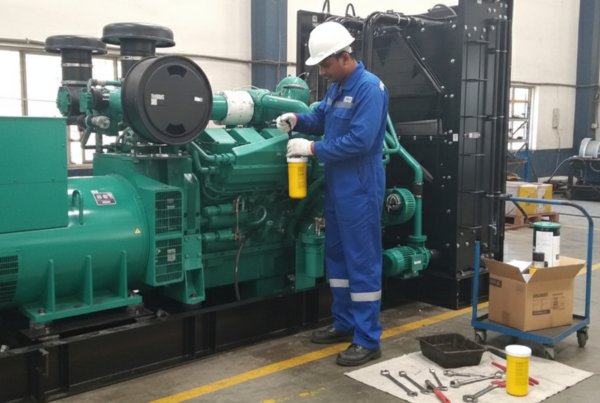
Extended generator usage increases mechanical stress and fuel consumption. Without regular servicing, performance declines and breakdown risks rise.
A proper genset service guide India framework usually includes:
- Routine engine inspections
- Lubrication system checks
- Cooling system maintenance
- Electrical component testing
- Load performance assessment
Following a structured service schedule helps extend equipment life and reduce unplanned downtime.
Managing Repairs and Technical Support
As operating hours increase, components naturally experience wear. Fuel injectors, filters, alternators, and control panels require periodic attention.
Professional diesel generator repair services in India help address:
- Starting failures
- Fuel system blockages
- Overheating issues
- Voltage fluctuations
- Control panel faults
Timely repairs prevent minor issues from developing into major failures.
Industrial-Level Servicing Requirements
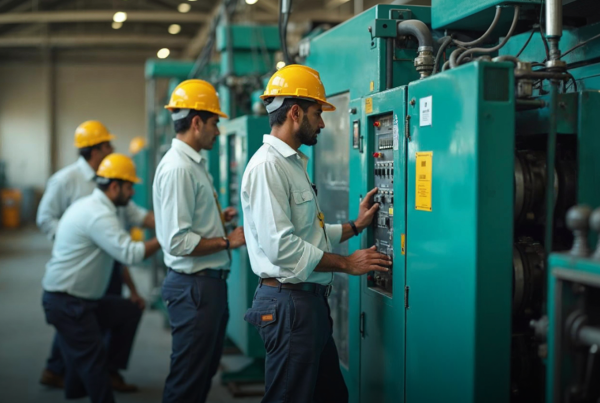
Large industrial installations place heavier loads on generator systems. These units often operate for long shifts or continuously during peak demand periods.
Effective industrial diesel generator servicing focuses on:
- Load balancing checks
- Exhaust system inspections
- Vibration analysis
- Fuel efficiency monitoring
- Safety compliance verification
Such servicing ensures that high-capacity systems remain stable under demanding conditions.
Diesel Generator Maintenance Tips for Long-Term Performance
When generators are used regularly, basic care makes a significant difference to performance and lifespan. Ignoring routine maintenance often leads to higher fuel consumption and frequent breakdowns.
Some diesel generator maintenance tips include:
- Checking engine oil and coolant levels regularly
- Replacing air and fuel filters at recommended intervals
- Inspecting belts, hoses, and wiring connections
- Testing batteries and charging systems
- Cleaning cooling and ventilation systems
- Running periodic load tests
Keeping simple maintenance records also helps operators track service history and identify recurring issues early.
Building a Functional Maintenance Routine
Daily operators and facility managers play an important role in generator performance. Simple monitoring tasks can prevent long-term damage.
A basic diesel genset maintenance checklist may include:
- Checking fuel and oil levels
- Inspecting air and fuel filters
- Monitoring battery condition
- Reviewing control panel alerts
- Cleaning ventilation areas
Consistent attention to these details improves reliability and reduces emergency repair costs.
How Jakson Supports Generator-Based Power Systems
As generator systems become part of regular power planning, organizations require technical partners who understand both installation and long-term maintenance. Jakson works across multiple stages of power system development and support.
Jakson supports generator-based power systems through:
- Engineering and installation of power solutions
- Supply and integration of generator systems
- Electrical and mechanical system design
- Preventive maintenance services
- Technical inspection and testing support
- Operation and maintenance solutions
These services help organisations manage generator performance over extended operating cycles.
Balancing Cost, Efficiency, and Reliability
Operating generators for long hours involves fuel expenses, servicing costs, and component replacement. Without proper planning, operational costs can rise quickly.
Effective management focuses on:
- Optimising fuel consumption
- Scheduling preventive maintenance
- Monitoring load patterns
- Training operational staff
- Using quality spare parts
Balanced planning helps maintain reliable backup power solutions India while controlling long-term expenses.
Environmental and Regulatory Considerations
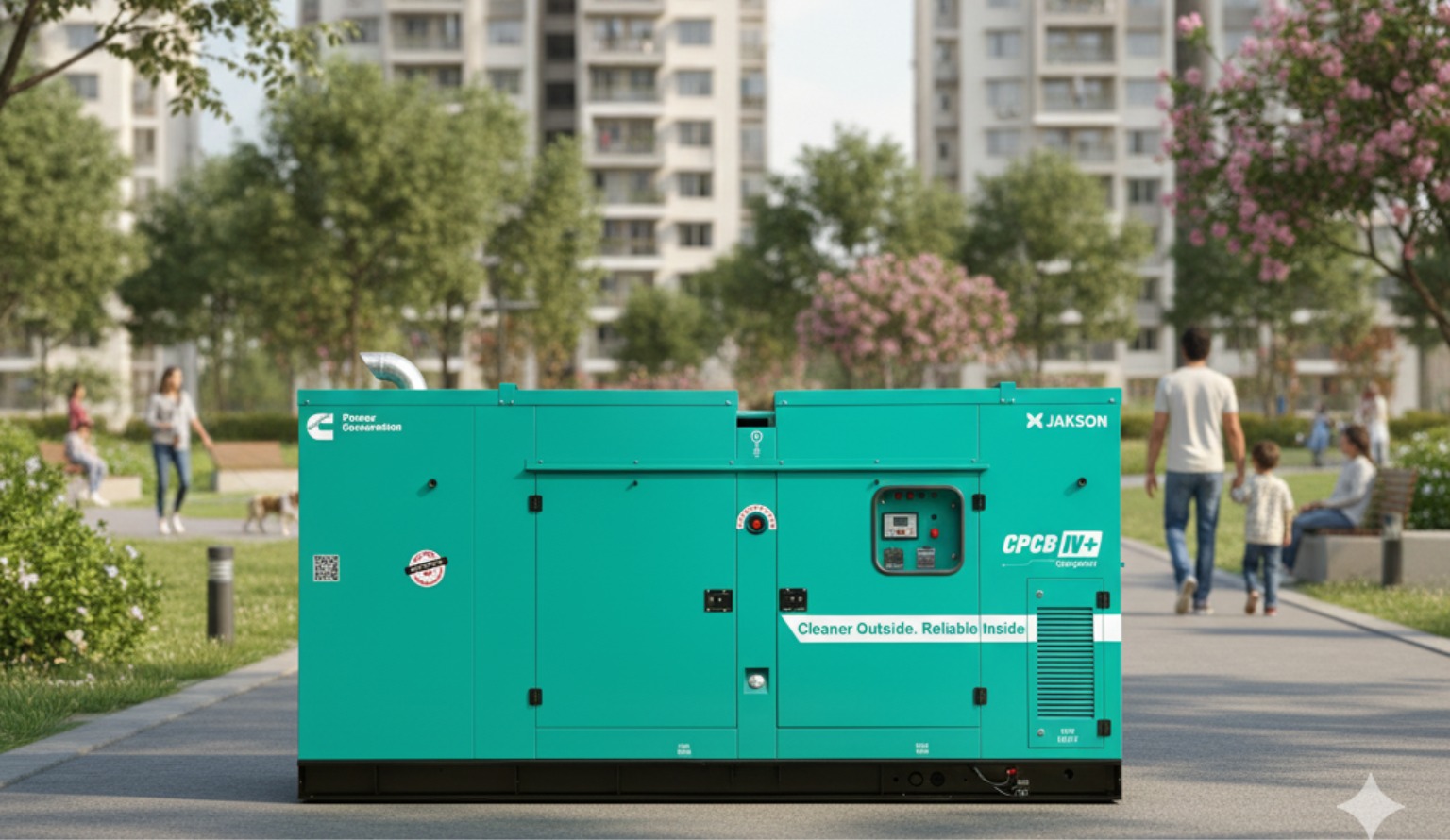
Extended generator use also raises environmental and compliance concerns. Emission norms, noise regulations, and fuel storage rules must be followed carefully.
Responsible operation involves:
- Using compliant fuel systems
- Maintaining exhaust controls
- Monitoring noise levels
- Managing waste oils safely
- Maintaining regulatory records
Compliance protects organizations from penalties and operational disruptions.
Conclusion
Diesel generators are no longer limited to emergency use. For many organizations, they now function as primary or extended power sources supporting daily operations. This shift requires structured servicing, timely repairs, and careful performance monitoring. Proper maintenance routines and professional support help reduce downtime and operating risks.
Jakson continues to support organizations in managing dependable generator-based systems that align with operational and regulatory requirements through its integrated power and infrastructure solutions.
FAQ
Many regions still face unstable grid supply. Continuous operations require dependable power, making generators part of regular energy planning.
Service frequency depends on operating hours. Units used regularly usually require monthly inspections and periodic detailed servicing.
Starting delays, unusual noise, overheating, fuel leakage, and voltage fluctuations indicate the need for professional inspection.
Preventive maintenance helps identify small issues early, reduces breakdown risks, and improves equipment lifespan.
Industrial servicing focuses on load management, system stability, and safety compliance for high-capacity installations.
Jakson provides technical support, inspection services, preventive maintenance, and system integration for generator installations.
Yes, Jakson supports operation and maintenance services for commercial and industrial power systems.
Yes, emission levels, noise limits, and fuel handling procedures must meet regulatory standards.
Regular servicing, fuel optimization, staff training, and professional support help control long-term expenses.