
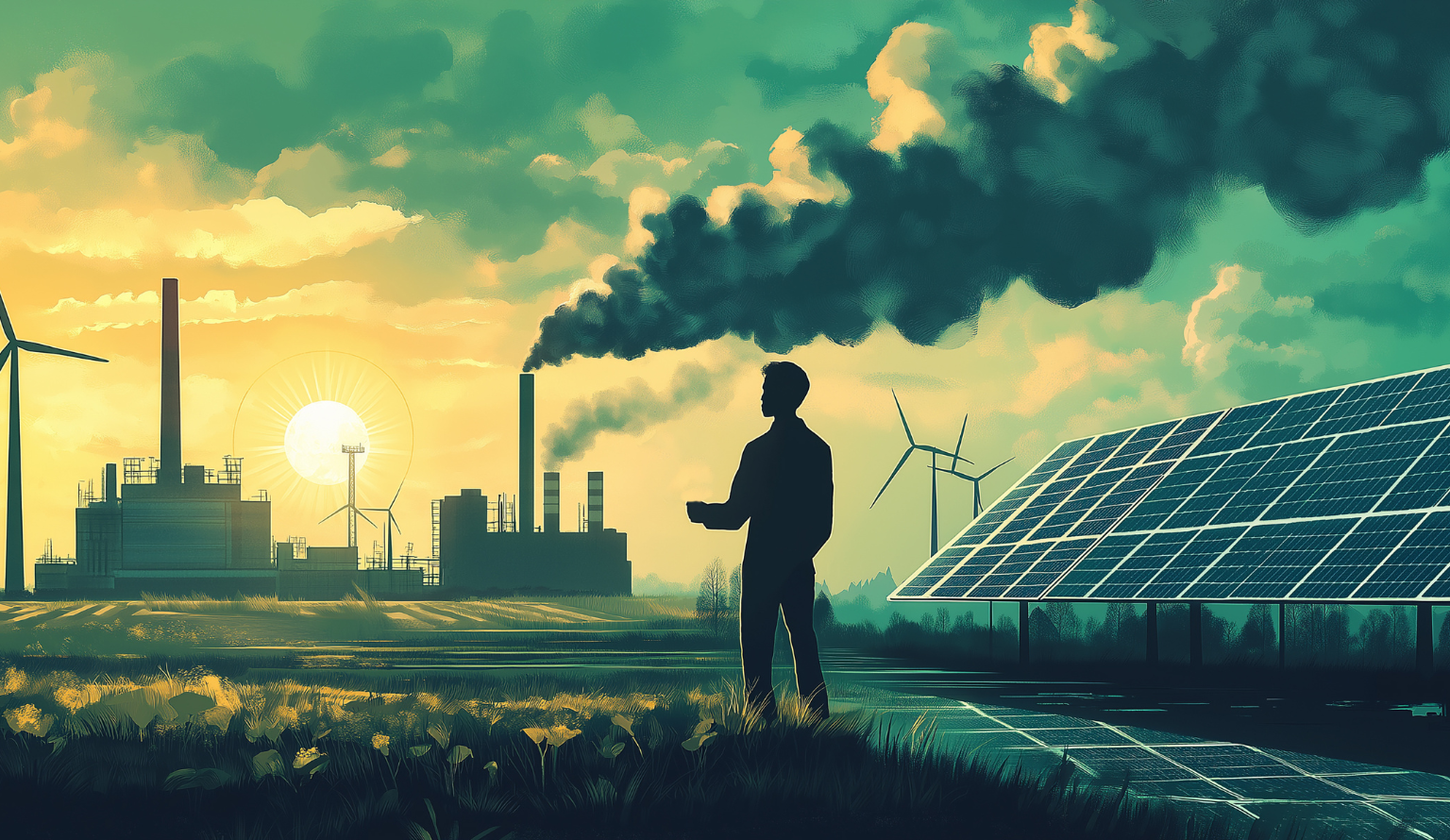
Industrial pollution has been part of India’s growth story for decades. Manufacturing activity expanded rapidly, energy demand rose alongside it, and environmental impact followed. For a long time, pollution was managed at the output level, through filters, treatment plants, and compliance reporting. Energy sourcing itself rarely received the same attention. That position is now changing. Across sectors, the shift towards renewable energy for industries is becoming one of the more effective ways to address pollution at its source.
This shift is driven by pressing concerns. Fuel costs are unstable. Emission limits are tightening. Communities around industrial areas are more vocal. At Jakson, work across renewable energy projects has reflected this change, particularly among industries looking to reduce pollution without slowing production or increasing operational risk.
How Energy Use Drives Industrial Pollution
Pollution from industrial activity does not only come from manufacturing processes. A large share is linked to how electricity and heat are generated. Coal-based grid power, diesel generators, and fuel-driven boilers release pollutants long before energy reaches factory floors.
In industrial clusters, this effect compounds. Emissions from multiple facilities overlap, leading to poor air quality and rising health concerns. This is why conversations around industrial pollution reduction India are increasingly focused on changing energy inputs rather than only managing emissions after they occur.
Renewable energy directly alters this equation. It reduces the pollution created upstream, before production even begins.
The Role of Renewable Energy in Cleaner Industrial Operations
Renewable energy is gaining attention because it addresses pollution at its source. Solar and wind systems generate electricity without combustion. There is no smoke, no ash, and no release of toxic gases during operation.
For industries, this means fewer emissions linked to daily energy use. Over time, the cumulative effect becomes meaningful, especially in regions where manufacturing activity is concentrated. This is one reason green energy adoption in industry is now viewed as part of environmental strategy rather than a separate sustainability initiative.
Industries are also recognising that cleaner energy simplifies compliance. When power generation itself becomes cleaner, downstream reporting and monitoring become easier to manage.
Pollution Reduction Benefits from Clean Energy Sources
The environmental impact of renewable energy is most visible in air quality improvements.
1. Reduced Emissions at Source
Renewable energy systems do not produce particulate matter or sulphur-based pollutants. This directly improves air quality in and around industrial facilities, where emissions from conventional power sources are often highest.
2. Lower Dependence on Diesel Backup
Many industries rely on diesel generators during power interruptions. These generators are among the most polluting energy sources used on-site. Renewable systems, combined with better power planning, reduce generator usage and the pollution that comes with it.
3. Cleaner Supporting Operations
Cleaner electricity also benefits auxiliary systems such as lighting, material handling, and automated processes. While these changes may appear incremental, their combined effect contributes to overall pollution reduction.
Solar and Wind in Industrial Energy Use
Among renewable options, solar and wind for industrial pollution reduction are the most functional at scale.
Solar installations work well for industrial facilities with large rooftops or available land. Power generation aligns with daytime operating hours, which suits most manufacturing schedules. Wind energy, where viable, complements solar by providing power during different time windows.
Hybrid systems combining both sources improve reliability and reduce reliance on grid power. This makes renewable energy more suitable even for industries with continuous operations.
Compliance and Environmental Accountability
Environmental regulations are evolving. Industries are now expected to demonstrate measurable progress in reducing emissions and improving energy efficiency.
Renewable energy adoption supports compliance with pollution control norms and sustainability reporting frameworks. It also strengthens environmental disclosures required by investors and supply chain partners.
For many industries, cleaner energy is becoming a way to stay ahead of regulatory expectations rather than react to them later.
Economic and Operational Considerations
Renewable energy adoption is often discussed in environmental terms, but operational factors matter just as much.
Once installed, renewable systems have predictable operating costs. Maintenance is simpler compared to fuel-based systems, and exposure to fuel price volatility is reduced. These factors support long-term planning.
In the clean energy industrial sector, renewable adoption is increasingly seen as a risk management decision rather than a cost-saving measure alone.
How Jakson Supports Renewable Energy Adoption for Industries
Jakson supports industrial renewable energy adoption through an approach focused on reliability and long-term performance. The emphasis remains on solutions that fit industrial operating conditions rather than generic installations.
Key features include:
- End-to-end solar EPC solutions, from design and engineering to procurement and construction
- Rooftop and ground-mounted solar installations designed for industrial energy demand
- Experience with captive and open access renewable energy projects
- In-house solar module manufacturing with structured quality checks
- Operations and maintenance services to support long-term system efficiency
This integrated approach allows industries to adopt renewable energy while maintaining operational stability.
Sector-Wise Impact of Renewable Energy Adoption
The impact of renewable energy varies across industrial segments.
1. Manufacturing and Processing Units
Cleaner power reduces continuous emissions and supports compliance with air quality standards, especially in industrial zones with high density.
2. Heavy Industries
Renewable systems reduce dependence on auxiliary diesel power and support gradual emissions reduction without forcing abrupt operational changes.
3. Industrial Parks and Clusters
Shared renewable infrastructure enables multiple units to lower pollution levels while benefiting from collective scale.
Challenges That Require Careful Planning
Renewable energy adoption is not without challenges. Site constraints, grid integration, and upfront investment require realistic assessment.
Systems that are poorly planned may underperform, limiting both pollution reduction and operational benefits. This reinforces the importance of proper design and experienced implementation.
Long-Term Outlook for Industrial Pollution Reduction
As renewable technologies mature and costs continue to decline, adoption across industries is expected to increase. Over time, cleaner energy will become a standard part of industrial infrastructure.
Widespread adoption will lead to cumulative pollution reduction, improving air quality and environmental resilience across regions.
Conclusion
The shift towards renewable energy for industries is changing how industrial pollution is addressed. By reducing reliance on fossil fuels, industries can lower emissions while maintaining productivity and operational control.
At Jakson, the focus remains on supporting this transition through dependable renewable energy solutions aligned with industrial needs. As adoption grows, industries move closer to cleaner operations and a more sustainable future.
FAQ
Renewable energy reduces pollution at the source by replacing fossil-fuel-based electricity and heat generation. Solar and wind systems operate without combustion, lowering emissions before production begins.
Manufacturing, processing, and heavy industries benefit significantly due to high energy consumption. Renewable energy for industries supports emissions reduction while maintaining continuous operations.
Jakson helps industries adopt renewable solutions by delivering reliable solar and hybrid systems designed for industrial conditions, enabling cleaner operations without disrupting productivity.
No, well-designed renewable systems align with industrial load patterns and integrate smoothly with existing infrastructure, supporting stable production.
Yes, when solar and wind systems are integrated with grid power, they reduce reliance on diesel backup, thus contributing to efforts in industrial pollution reduction in India.
Solar and wind for industrial pollution reduction limit upstream emissions from power generation, helping clustered facilities collectively improve air quality and reduce cumulative pollution levels.
Both factors matter. Regulatory pressure encourages compliance, while predictable costs and cleaner operations make green energy adoption in industry a functional operational decision.
Initial planning is required, but once systems are integrated, renewable installations simplify energy management and support long-term stability across the clean energy industrial sector.