
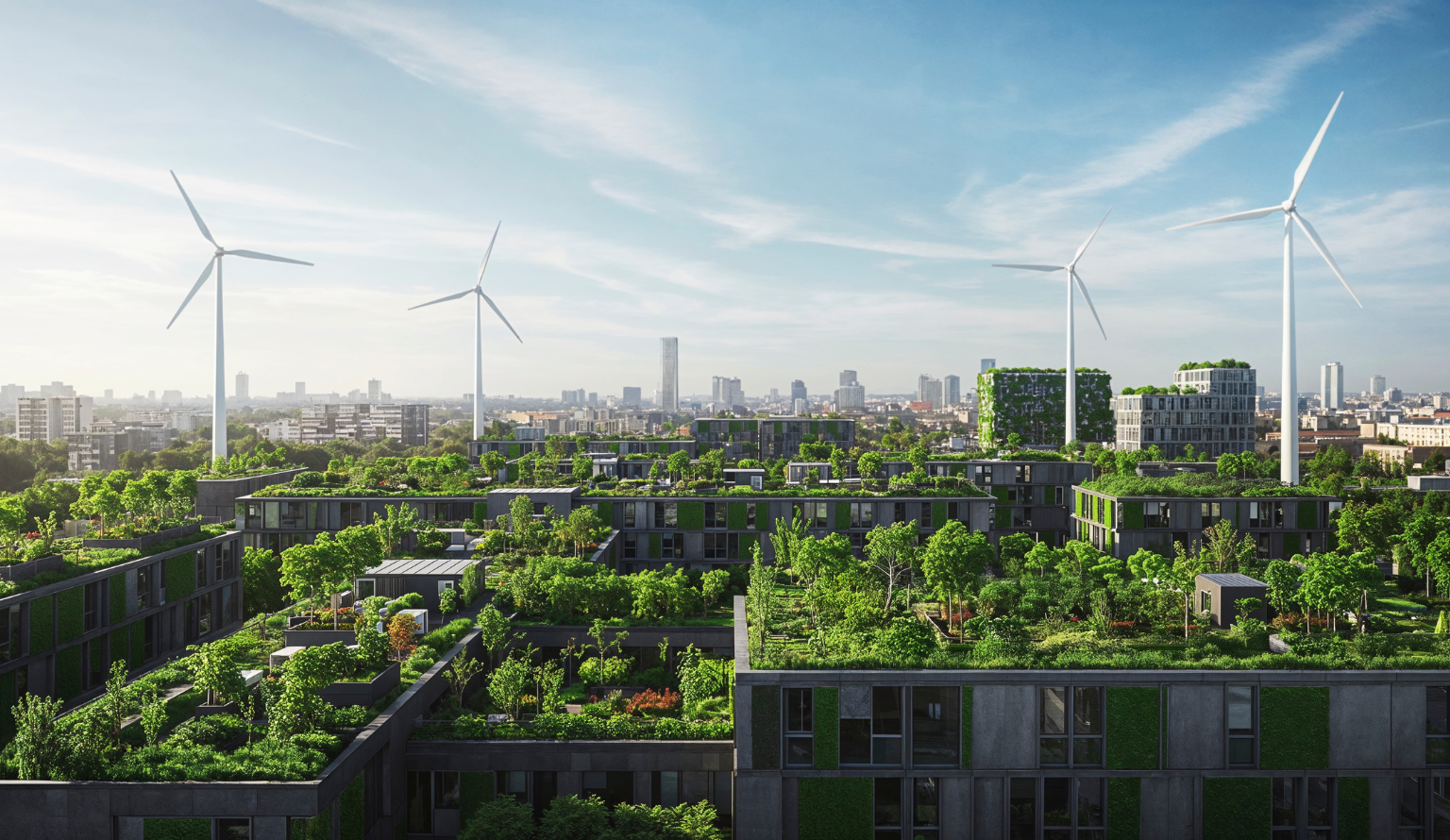
Urban air quality has become a daily concern in many Indian cities. Smog alerts, rising respiratory issues, and reduced visibility are no longer seasonal problems. They are part of everyday urban life. While traffic and construction often take the blame, energy use plays a much larger role than is commonly acknowledged. Power generation based on fossil fuels continues to contribute significantly to pollution levels. The growing focus on green energy for cities is changing how this challenge is being addressed.
Cities are beginning to rethink how electricity is produced and consumed. Cleaner power is now seen as an essential part of urban planning, not just an environmental add-on. At Jakson, work across clean energy projects has closely reflected this shift, particularly in urban and peri-urban areas where pollution reduction is becoming a priority alongside infrastructure growth.
Why Energy Choices Matter for Urban Air Quality
Urban pollution is not caused by a single source. It builds up through a combination of vehicle emissions, industrial activity, construction dust, and electricity generation. Power plants that rely on coal or other fossil fuels release pollutants that travel far beyond their immediate location.
Cities often feel this impact most strongly. Dense populations, limited air circulation, and high energy demand combine to trap pollutants. This is why efforts aimed at urban air pollution reduction increasingly focus on changing the energy mix rather than only regulating end-use emissions.
Cleaner energy sources reduce pollution before it enters the urban atmosphere.
How Renewable Energy Changes the Urban Environment
Renewable energy alters the pollution equation at a fundamental level. Solar and wind power generate electricity without burning fuel. There are no exhaust gases, no particulate emissions, and no continuous release of harmful compounds during operation.
As cities adopt cleaner energy at scale, the cumulative effect becomes noticeable. Lower emissions from power generation contribute to improved air quality, especially when combined with other urban sustainability measures. These changes highlight the broader renewable energy benefits that extend beyond climate goals and into everyday urban health.
The Role of Clean Power in Reducing City-Level Pollution
Cleaner electricity influences urban air quality in several direct and indirect ways.
1. Reduced Emissions from Power Generation
When renewable energy replaces coal-based electricity, emissions such as sulphur dioxide, nitrogen oxides, and particulate matter decline. These pollutants are closely linked to respiratory and cardiovascular conditions common in urban areas.
2. Lower Reliance on Diesel Backup Systems
Cities frequently rely on diesel generators during power disruptions. These generators are highly polluting and often located close to residential and commercial areas. Renewable energy systems reduce dependence on such backups, especially when paired with better grid planning.
3. Cleaner Supporting Infrastructure
Cleaner electricity also supports public transport systems, commercial buildings, and residential complexes. As more urban infrastructure runs on clean power, overall pollution levels decrease.
Green Energy and Urban Infrastructure Development
Cities are expanding rapidly, and new infrastructure adds to energy demand. How that energy is sourced determines whether urban growth worsens pollution or helps reduce it.
Renewable energy can be integrated into rooftops, parking structures, transit centers, and public facilities. These decentralised systems reduce transmission losses and support cleaner local supply. Over time, this integration contributes to a more balanced clean energy urban environment.
Urban planning that includes renewable energy early avoids the need for corrective measures later.
Supporting Sustainable Cities Through Clean Energy
The idea of sustainable cities India is closely linked to air quality, energy efficiency, and public health. Clean energy supports all three.
Cities that invest in renewable power reduce their dependence on external energy sources. This improves resilience during peak demand periods and reduces stress on ageing infrastructure. Cleaner air also supports economic productivity by lowering health-related disruptions. Sustainability, in this sense, becomes functional rather than aspirational.
Public Health and Quality of Life Improvements
Cleaner air has immediate benefits. Reduced pollution levels are associated with fewer respiratory illnesses, improved outdoor comfort, and better overall well-being.
Urban residents benefit from clearer skies, quieter neighbourhoods, and reduced exposure to harmful pollutants. While these changes take time, cities that commit to clean energy often see gradual but consistent improvement in living conditions.
These outcomes reinforce the value of clean energy investments beyond environmental metrics.
How Jakson Supports Clean Energy Adoption in Cities
Jakson supports urban clean energy adoption through solutions designed for real-world operating conditions. The approach focuses on reliability, quality, and long-term performance rather than short-term capacity addition.
Key features include:
- End-to-end solar EPC solutions covering design, engineering, procurement, and construction
- Rooftop and ground-mounted solar installations suitable for urban and peri-urban environments
- In-house solar module manufacturing with defined quality control standards
- Experience across commercial, industrial, and infrastructure-focused energy projects
- Operations and maintenance services to support sustained system performance
By aligning clean energy systems with urban energy needs, Jakson contributes to cleaner and more resilient city environments.
Challenges in Urban Green Energy Adoption
Urban environments present unique challenges. Space constraints, grid integration, and regulatory approvals can complicate renewable energy deployment.
Older buildings may require structural upgrades. Grid infrastructure must support two-way power flow. These factors require careful planning rather than quick implementation.
Despite these challenges, well-designed projects continue to demonstrate that clean energy can work effectively in dense urban settings.
Long-Term Outlook for Cleaner Cities
As renewable technology costs decline and policy support strengthens, urban adoption is expected to accelerate. Cities are likely to play a leading role in the energy transition due to their concentrated demand and visible pollution challenges.
Over time, cleaner power will become part of standard urban infrastructure, much like water and transport systems. This transition will contribute to lasting improvements in air quality and urban resilience.
Cleaner cities are not built overnight, but consistent energy choices make a measurable difference.
Conclusion
The shift towards green energy for cities is reshaping how urban pollution is addressed. By reducing reliance on fossil fuels, cities can improve air quality while supporting growth and infrastructure needs.
At Jakson, the focus remains on supporting this transition through dependable clean energy solutions suited to urban environments. As renewable adoption increases, cities move closer to becoming healthier, more liveable spaces for the people who call them home.
FAQ
Green energy reduces pollution by cutting emissions at the power generation stage. Solar and wind systems operate without combustion, helping limit pollutants that contribute to poor urban air quality.
High population density, rising energy demand, and health concerns are pushing cities to address pollution at its source. Green energy for cities supports long-term air quality improvement alongside infrastructure growth.
Yes, clean power systems lower dependence on diesel backups, which are major contributors to local pollution, supporting effective urban air pollution reduction.
Renewables integrated into buildings and public infrastructure support a cleaner urban environment while reducing strain on centralised power systems.
Jakson develops renewable solutions suited to urban conditions, focusing on system reliability, quality execution, and long-term performance for commercial and infrastructure projects.
Dense cities with high electricity demand and limited air circulation see the greatest impact, as green energy for cities directly reduces emissions linked to power generation.
Results are gradual. Consistent use of renewables supports long-term urban air pollution reduction, with measurable improvements emerging as fossil-based power dependence declines.
By lowering emissions and improving energy resilience, renewables strengthen public health outcomes and infrastructure planning, supporting the broader vision of sustainable cities in India.