Power systems inside industrial facilities and commercial operations rarely behave in neat patterns. Demand moves up and down across the day. Some hours carry a heavy operational load. Others remain quieter. What businesses have traditionally relied on is continuous external supply, and whenever that supply fails, operations feel it almost immediately.
Energy storage has begun to change how this situation is handled.
Instead of treating electricity only as something consumed, organisations are increasingly treating it as something that can be stored and used when required. A battery energy storage system makes that possible. The storage sits alongside the existing power infrastructure and becomes part of how electricity is managed inside a facility.
Companies with a long history in energy infrastructure have begun introducing structured battery storage systems designed to support residential, commercial, and industrial environments where power continuity matters.
A Different Role for Stored Power
Battery storage was once discussed mostly as backup. A simple reserve that stepped in during outages. That understanding has changed gradually.
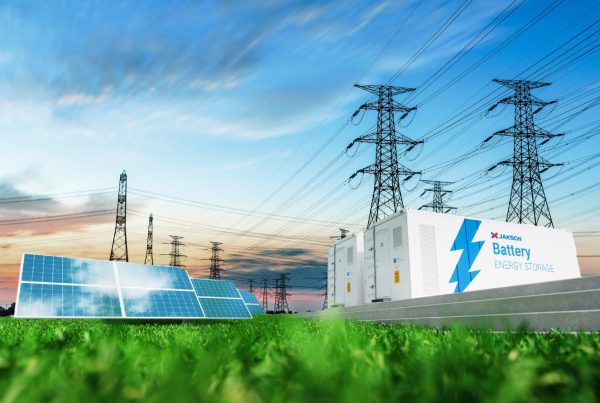
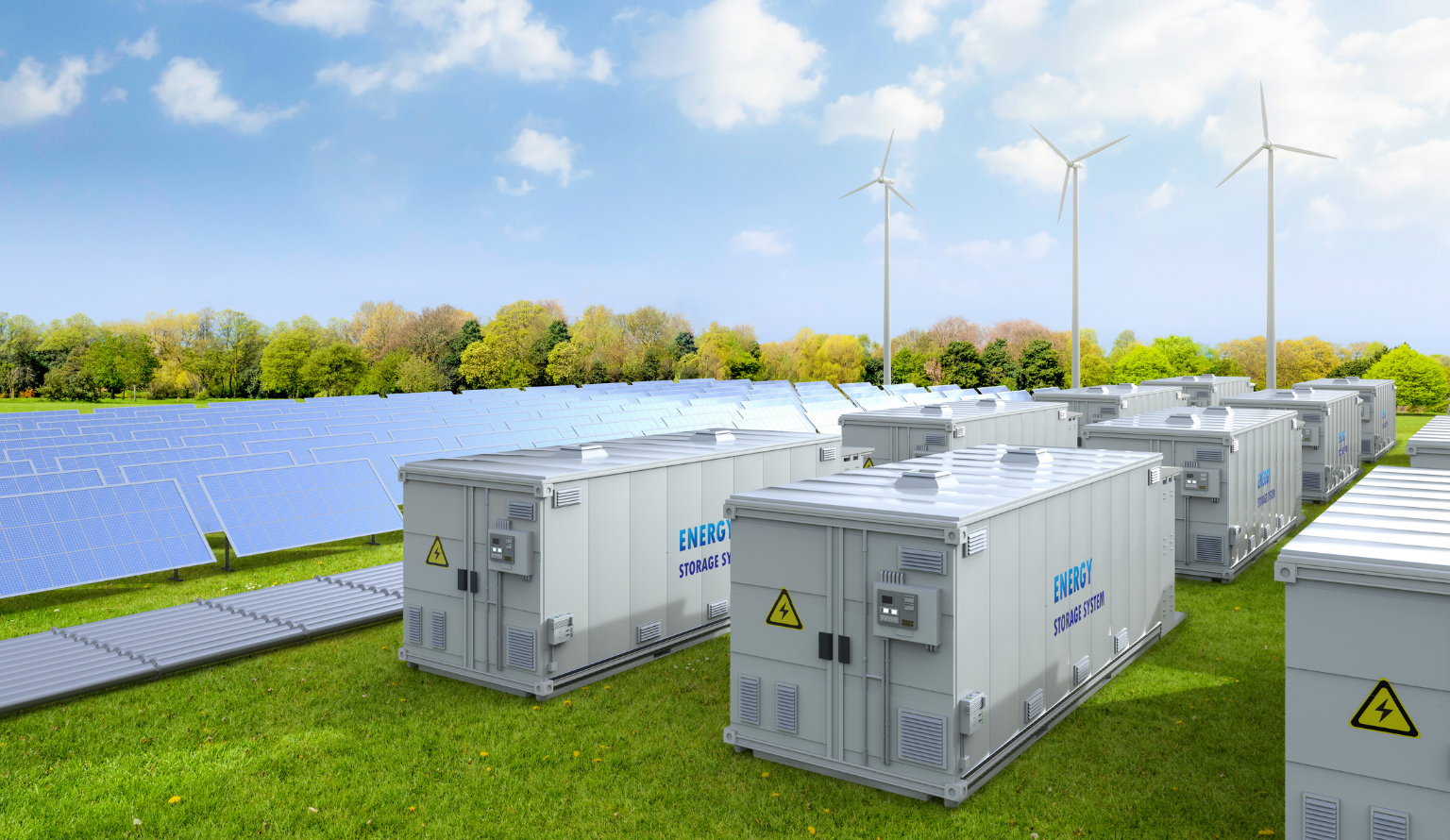
A modern battery energy storage system operates as part of a wider energy ecosystem. It works with the grid and can also work with solar panels and battery combinations. In some installations, it even interacts with wind generation and diesel generators.
JAKSON’s EnerPack system was introduced with that hybrid approach in mind. It combines grid power, solar power, wind energy and even DG power supply through a structured energy management framework. The objective is not simply to store electricity. It is to manage how different energy sources work together.
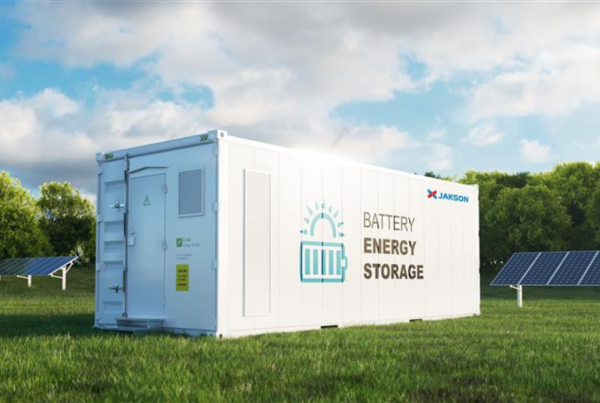
Inside the system sits an intelligent Energy Storage System supported by a hybrid inverter, lithium-ion batteries and an energy management platform.
It is designed to operate quietly within a facility’s energy infrastructure.
Applications Where BESS Becomes Practical
Battery energy storage systems are increasingly used in environments where power continuity affects operations, revenue, or safety.
Some applications appear repeatedly.
Backup Power
Healthcare facilities, telecom networks, IT infrastructure, and cold storage facilities rely heavily on uninterrupted electricity. Even short power interruptions can disrupt operations.
BESS provides immediate backup when the grid supply drops. The transition happens without visible disruption to equipment or production processes.
Peak Shaving
Electricity tariffs often fluctuate depending on demand periods. With battery storage, businesses can store energy during lower-tariff hours and use it when tariffs rise.
The process helps moderate energy costs across operating cycles.
Load Shifting
Energy consumption inside facilities rarely stays constant. Battery storage allows power to be stored when supply is available and discharged later when demand rises.
The shift happens automatically under the system’s energy management logic.
Microgrids
Some installations operate with microgrid structures in which grid supply, solar panels, and battery storage function together. In such setups, the battery energy storage system acts as a stabilising element between different sources.
Grid Support Services
Battery storage can also support grid stability in certain configurations by helping with frequency regulation and black start capabilities.
These roles vary by project, and the common factor is operational flexibility.
Practical Characteristics of BESS
The systems start at 5 kW and can scale up depending on the installation’s energy requirements. This allows residential, commercial and industrial users to adopt storage systems suited to their consumption profile.
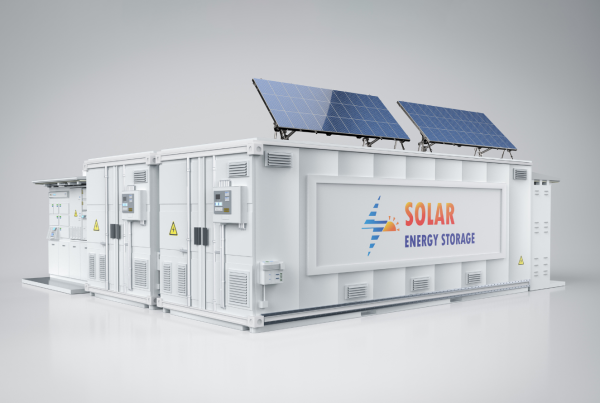
The installation itself is designed to avoid civil construction work. The containerised modular design allows the unit to be transported and installed without significant changes to infrastructure.
Once operational, the system focuses on maintaining power availability while minimising disruptions.
Fast charging capability is included, and the system’s internal energy consumption remains relatively low.
The broader objective is straightforward and provides continuous power without interrupting operations.
Storage Alongside Solar
Many installations today combine solar panels and battery systems. Solar generation produces electricity during daylight hours, while the battery stores part of that energy for later use.
This arrangement often appears in commercial facilities where daytime solar generation can be captured and then discharged during evening demand periods.
The solar battery system becomes an extension of the solar installation rather than a separate infrastructure.
BESS architecture is designed to integrate with such hybrid energy environments where solar generation, grid power and storage operate together.
A Gradual Change in Energy Infrastructure
Energy storage systems are not replacing existing electricity networks. Most facilities still depend on the grid for a large share of their supply.
The infrastructure supporting power consumption is gradually becoming more complex. Solar generation contributes an additional layer, and battery storage adds another.
The storage system simply sits within the network and begins working.
Closing Thoughts
Electricity supply used to be a simple input for businesses. Power arrived through the grid, and equipment consumed it.
Storage has introduced another possibility.
Facilities can now hold energy, manage it, and use it when operational conditions require. That capability does not replace existing infrastructure. It simply adds another layer to how power is handled.
Battery energy storage systems, including those developed by companies like JAKSON, are gradually finding their place within that changing structure, quietly working in the background to support operations that prefer not to stop.
FAQ
It stores electricity and supplies power when the grid supply drops or when stored energy is scheduled for use.
Yes. Solar panels and battery systems are often installed together to store excess solar energy for later use.
JAKSON’s battery storage systems start at around 5 kW and can scale based on the installation’s power requirements.