India has been steadily promoting rooftop solar power as part of its broader shift toward renewable energy. Targets are ambitious, particularly in states where urban demand and municipal infrastructure make decentralised solar power viable. India offers a revealing snapshot of how this transition is unfolding.
According to data released by the New and Renewable Energy Development Agency (UPNEDA), responsibility is divided across 75 districts, each with its own installation targets based on local infrastructure capacity.
By mid-July, progress is uneven. Some districts have moved quickly to adopt rooftop solar, while others are struggling to keep pace. JAKSON is involved in energy infrastructure, where the situation reflects a familiar reality. Installing a solar plant at scale depends on local governance, municipal readiness, and the pace at which households choose to install solar.
The numbers from Uttar Pradesh make that contrast very visible.
Definition: Rooftop Solar Power
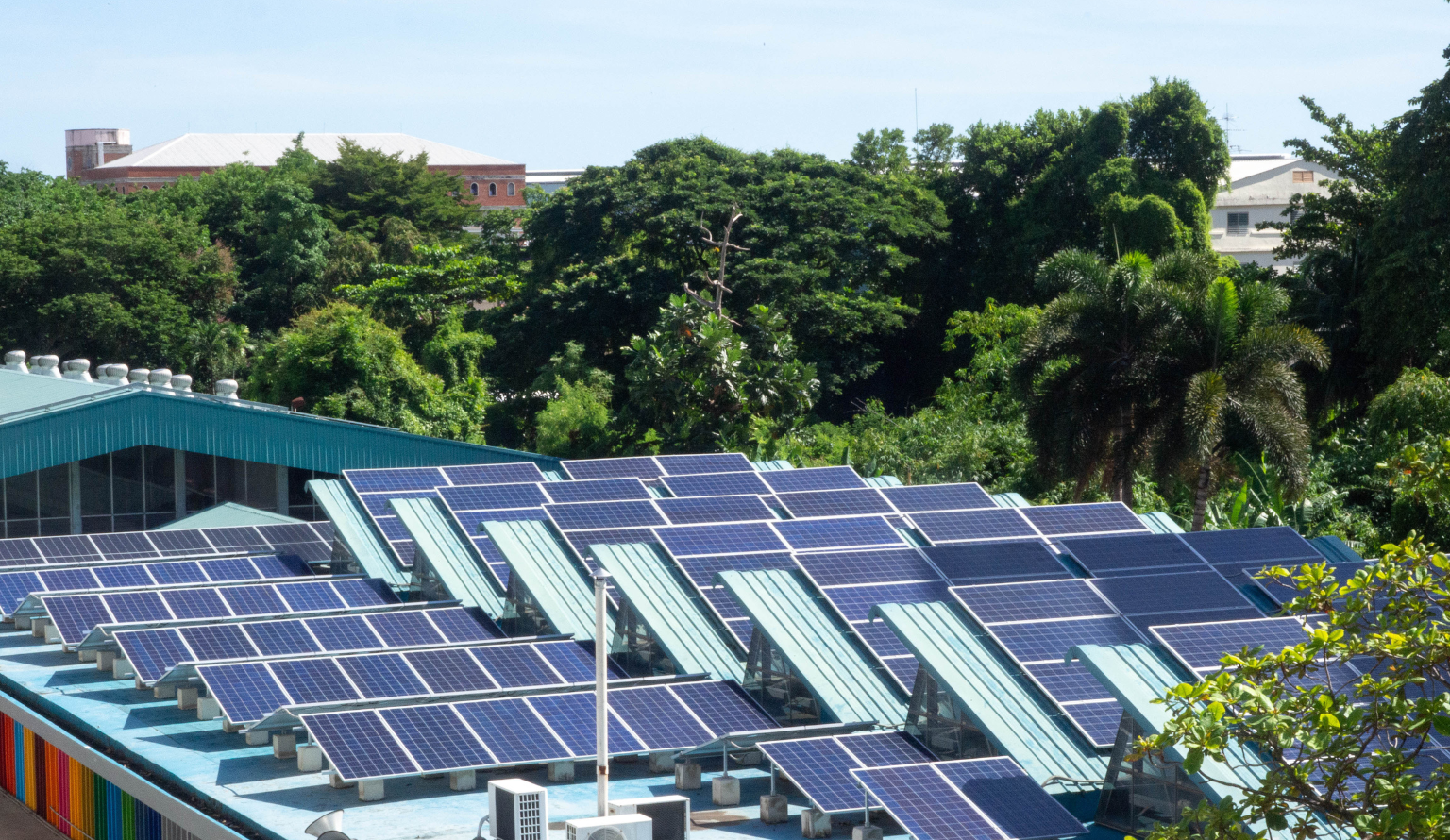
A rooftop solar power system is a set of solar panels installed on residential or commercial rooftops that generate electricity locally. These systems reduce dependence on centralised power generation and form a growing part of India’s distributed energy network.
When targets meet reality: rooftop solar adoption across districts
Among the top-performing districts, a few urban centres have significantly exceeded expectations. These areas are also among the municipal corporations the state intends to develop as solar cities.
Lucknow alone has installed 37,383 rooftop solar systems, nearly double its annual target of 18,962 installations. Varanasi, the parliamentary constituency of Prime Minister Narendra Modi, has also crossed its target with 15,548 installations against a target of 14,657. Kanpur Nagar shows a similar pattern with 10,368 systems installed against a target of 4,000.
These districts demonstrate how rooftop solar power scales faster where urban infrastructure and administrative push align.
Other regions are facing slower adoption.
Districts such as Agra, Bareilly, Prayagraj, Meerut, Muzaffarnagar, Gorakhpur, Ghaziabad, and Unnao are currently trailing behind their expected installation pace. If the trend continues, some may struggle to meet the broader 2026 rooftop solar deployment targets.
UPNEDA Director Inderjit Singh remains confident that the gap can be closed. The state still has time before March 31, 2026, and officials expect districts to accelerate their rooftop solar installations.
District progress snapshot: where rooftop solar is moving faster
| District | Rooftop Solar Installations | Annual Target | Current Position |
| Lucknow | 37,383 | 18,962 | Far ahead of target |
| Varanasi | 15,548 | 14,657 | Slightly ahead |
| Kanpur Nagar | 10,368 | 4,000 | Strong performance |
The top 15 performing districts include 10 municipal corporations, even though the state has identified 17 municipal corporations to develop as solar cities under its policy framework.
What these numbers quietly reveal about rooftop solar deployment
Large targets alone do not ensure rapid solar power adoption.
Urban administration, local participation, and execution capacity play decisive roles in households’ decisions to install solar. For organisations operating across energy infrastructure projects such as solar plant development or even ethanol plantengineering, these variations are familiar.
A solar panel company in India does not operate in a uniform market. Every district behaves differently.
This is why rooftop solar expansion often moves in pockets first, then spreads outward.
JAKSON is involved in solar power EPC and broader energy infrastructure; watch these regional trends carefully. They often signal where rooftop solar deployment may accelerate next.
FAQ
Districts with stronger municipal infrastructure and administrative push tend to install solar faster. Urban centres often move more quickly than semi-urban regions.
UPNEDA has set a target to install 2,65,211 residential rooftop solar systems by March 2026 across 75 districts.
State officials believe the targets are still achievable by March 31, 2026, even though several districts are currently behind schedule.