Electricity has always been a quiet operational dependency for most businesses. It sits in the background until the numbers begin to shift. Energy costs fluctuate. Reliability varies by location. And for companies running large facilities, production units, or commercial campuses, the conversation around power is no longer theoretical.
Many businesses have started examining captive solar power and onsite solar generation as a practical step rather than a symbolic one. The thinking is fairly direct. If power is essential to operations, then controlling how it is generated becomes important.
Companies working with established solar manufacturers are increasingly moving toward commercial rooftop solar and structured industrial solar power solutions that are installed directly on their premises. The change is gradual in some sectors and faster in others. But the direction is visible.
JAKSON, with a long presence in the energy space and a strong solar manufacturing base, is part of that shift.
Looking Beyond the Grid
For decades, the grid was the only serious option available to businesses. Electricity came from outside, and companies built their financial planning around that structure.
But energy demand inside industrial and commercial facilities has grown steadily. Manufacturing plants, logistics parks, technology campuses, hospitals, and infrastructure companies all operate with continuous electricity requirements. Even small disruptions or rising tariffs become noticeable.
This is where captive solar power begins to change the equation.
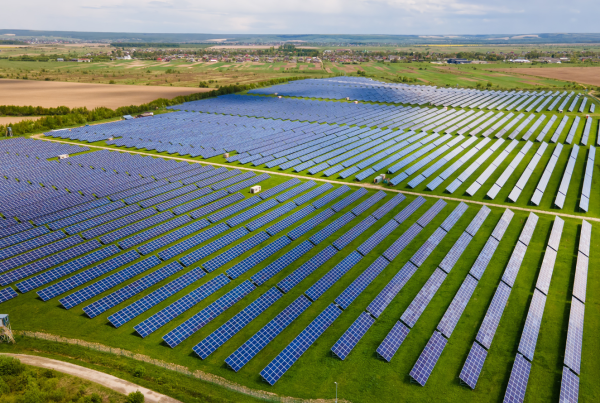
Instead of relying entirely on external supply, companies install solar systems within their own premises. Rooftops, open spaces within industrial campuses, and facility structures serve as generation points.
The idea is simple. Generate part of the electricity where it is consumed.
Over time, this approach has become less experimental and more operational.
The Role of Onsite Solar Generation
On-site solar generation is not just about installing panels on a roof. It is an engineering exercise that directly links power generation to a facility’s daily operations.
Industrial units that run large machinery often look for a stable daytime energy supply. Commercial buildings seek predictable consumption during working hours. In both cases, solar generation aligns naturally with operational demand.
This alignment is one of the reasons CFOs are exploring solar power for businesses.
A rooftop or captive system does not replace the grid entirely. That is rarely the intention. Instead, it reduces grid dependence and stabilises part of the energy supply internally.
When structured well, the facility produces a portion of its own electricity while the grid continues to support the remaining requirement.
Manufacturing Scale Matters
Behind any reliable solar installation is the strength of the manufacturing ecosystem supplying it.
JAKSON has been part of the energy solutions space for more than 78 years, working with a large customer base that now exceeds 75,000 clients. Over time, we have built a manufacturing framework capable of supporting large solar deployments.
Our fully automated 12 GW solar module manufacturing capacity provides the foundation for large-scale installations. Capacity expansions across solar cells, ingots, and wafers are also underway. These manufacturing layers matter because solar infrastructure relies heavily on component reliability and production consistency.
Businesses adopting industrial solar power solutions typically want systems that are engineered for long-term performance rather than temporary installations.
Energy Cost Optimisation
Most businesses evaluating captive solar power eventually arrive at the financial side of the discussion.
Electricity pricing structures vary across regions, and long-term cost visibility is often limited. Industrial facilities consuming large volumes of power tend to feel these fluctuations more sharply.
By introducing solar generation within their premises, companies gain a degree of predictability. The system begins producing electricity immediately once operational. Over time, this contributes to energy cost optimisation.
It is rarely about eliminating grid electricity; the objective is balance.
Part of the energy requirement is met by the grid. Another portion comes from the solar system installed onsite. Over several years, this balance can significantly influence operating costs.
Turnkey Solar Implementation
Another reason businesses are more comfortable moving toward captive solar is the availability of turnkey solar solutions.
Companies prefer working with partners who can handle the complete lifecycle of a project. This includes engineering, module supply, system integration, and project execution.
JAKSON offers turnkey rooftop solar solutions for a wide range of applications, which allows organisations to approach solar adoption without building an internal energy engineering team.
The project structure remains clear. Design, installation, and system delivery are handled within a single integrated framework.
For large businesses, this reduces operational complexity during implementation.
Solar Modules and System Design
When companies consider on-site solar generation, module design becomes an important technical detail.
JAKSON’s solar portfolio includes several module types designed for different operational needs:
- Helia NXTR modules are built with N-type bifacial cells and a glass-to-glass structure
- Helia NXT modules using N-type bifacial M10 cells in a glass-to-glass configuration
- Helia Plus modules with P-type bifacial M10 cells and transparent backsheet construction
- Helia monofacial P-type modules with glass to white backsheet architecture
Each of these module structures serves different installation environments and project requirements.
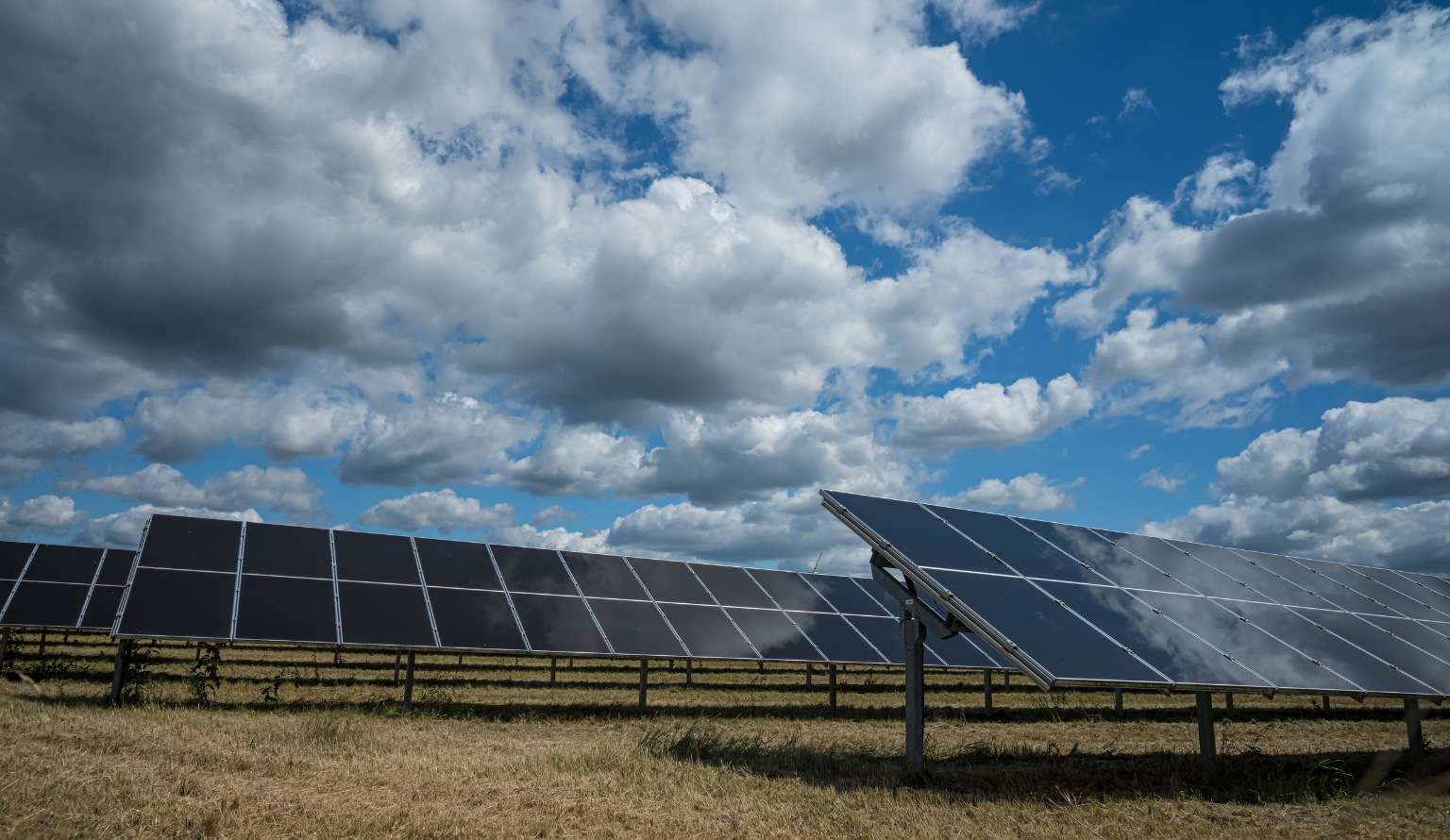
For commercial rooftop solar installations, module design influences durability, output characteristics, and system lifespan. For industrial campuses, module efficiency and structural compatibility often become deciding factors.
These are not theoretical considerations because they affect how much electricity a facility can realistically generate onsite.
A Gradual but Visible Shift
The move toward captive solar power is not happening overnight.
Some businesses start with a small rooftop installation. Others commit to larger solar infrastructure within their industrial campuses. Many begin by evaluating energy consumption patterns and identifying spaces for integrating solar generation.
Energy is no longer just a utility bill at the end of the month. It is becoming part of operational planning.
JAKSON, with its experience in solar engineering and module production, is positioned for that transition as businesses continue to explore solar power and structured on-site generation models.
The change is steady rather than dramatic, but it is happening.
Final Thoughts
Businesses tend to move cautiously when making infrastructure decisions. Yet the interest in onsite solar generation is clearly expanding. Facilities are exploring generating some of their own electricity while keeping everything running smoothly.
Solar technology, along with how it’s made and how it’s installed, has made this much easier than it used to be.
JAKSON, with years of experience in energy solutions and expanding solar manufacturing, is helping make this happen.
It’s not just a passing fad; it’s a fundamental shift in how businesses view their energy needs.
FAQ
Yes. Many industrial sites install rooftop or onsite solar systems to generate part of their electricity internally while still maintaining grid connectivity.
In most cases, no. Solar systems usually supplement grid supply rather than replace it entirely, helping reduce grid dependence and support energy cost optimisation.
Captive solar power refers to electricity generated within a company’s own premises using solar installations, typically rooftop or facility-based systems.