
Power shortages, fuel price swings, and climate commitments are creating pressure on India’s energy system. Households want reliable electricity, industries need a stable supply, and policymakers must meet environmental targets. In this situation, protecting energy security India while supporting cleaner sources has become a difficult balancing act. The Union Budget for 2026 is expected to address this challenge through funding priorities and regulatory measures. Jakson, through its work in renewable energy, power systems, and infrastructure projects, supports solutions that strengthen supply stability and encourage responsible energy use.
India’s Energy Reality Today
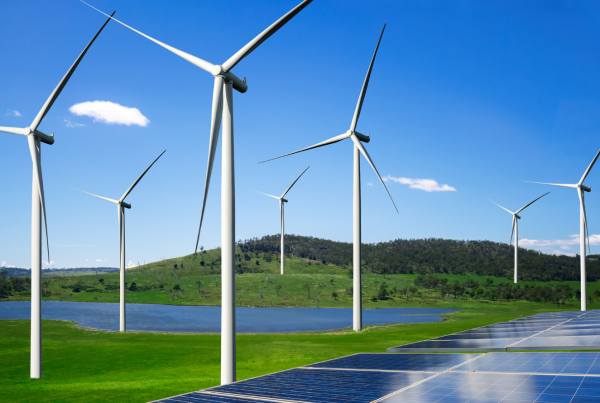
India’s energy mix continues to rely heavily on conventional fuels, especially coal and imported oil. At the same time, renewable capacity is expanding through large solar parks, wind corridors, and distributed systems.
This dual structure creates practical challenges:
- Conventional plants provide base-load stability
- Renewable sources depend on weather conditions
- Transmission networks face rising pressure
- Storage infrastructure remains limited
- Import dependence affects cost planning
Balancing these factors requires careful financial and policy support.
What Budget 2026 Is Expected to Address
The Union Budget shapes how quickly energy infrastructure can grow and modernise. Funding allocations, tax structures, and incentive schemes influence project timelines and investment decisions.
Under the budget 2026 energy policies, the sector expects attention to:
- Transmission and distribution upgrades
- Renewable and hybrid power systems
- Energy storage facilities
- Domestic equipment manufacturing
- Access to affordable long-term finance
Managing the Transition Without Supply Disruption
Moving towards cleaner energy does not mean shutting down existing systems overnight. The sustainability and energy transition process must be gradual and coordinated.
A balanced transition focuses on:
- Phased reduction of high-emission assets
- Parallel expansion of renewable capacity
- Grid modernisation programmes
- Investment in balancing technologies
- Demand-side efficiency measures
Without such planning, rapid change can lead to supply gaps and cost increases.
Fossil Fuels and Renewables: Finding the Right Balance
India continues to depend on coal and gas for industrial and urban power needs. At the same time, solar and wind installations are increasing every year. Managing India fossil fuels vs renewables requires realistic timelines and stable investment conditions.
Key policy priorities include:
- Extending the operational life of efficient plants
- Retiring outdated high-emission facilities
- Expanding renewable generation in phases
- Supporting hybrid project development
- Improving grid integration capacity
This approach allows stability while supporting long-term change.
Budget Support for Cleaner Technologies
Public funding remains important for reducing financial barriers in clean energy projects. Subsidies and tax benefits help improve returns and attract private capital.
A focused clean energy budget 2026 is expected to support:
- Utility-scale solar and wind projects
- Battery storage systems
- Green hydrogen pilots
- Smart grid technologies
- Electric mobility infrastructure
Targeted funding reduces project risk and speeds up adoption.
Building Long-Term Energy Independence
Reducing dependence on imported fuels improves economic stability and planning certainty. Achieving India energy independence depends on strengthening domestic production and infrastructure.
Important areas include:
- Local manufacturing of equipment
- Renewable resource development
- Distributed energy systems
- Rural electrification projects
- Transmission network expansion
Domestic capacity also supports employment and regional growth.
How Jakson Supports India’s Evolving Energy System
As energy projects become more interconnected, developers need partners who understand engineering, integration, and long-term operation. Jakson works across different segments of the power sector, supporting both conventional and renewable initiatives.
Jakson supports balanced energy development through:
- Development and execution of solar power projects
- Engineering, procurement, and construction services
- Manufacturing and supply of power equipment
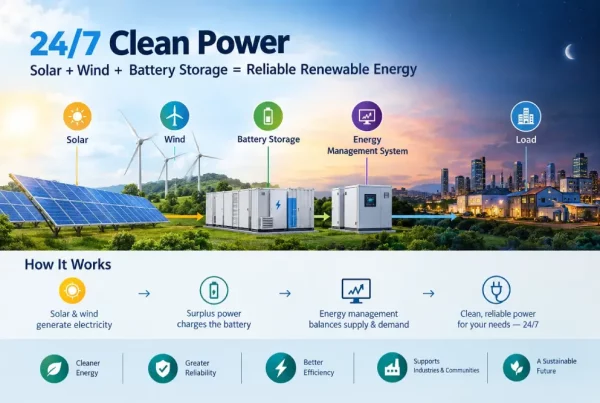
- Integration of hybrid and energy storage systems
- Operation and maintenance services
- Support for commercial and utility-scale installations
These services help improve coordination and project reliability.
How Budget Decisions Affect the Energy Ecosystem
Financial and regulatory measures influence how different participants respond to policy changes.
For Power Developers
Clear funding structures allow developers to manage costs, schedule construction, and secure financing more easily.
For Investors and Banks
Stable policies reduce uncertainty and support long-term lending and equity participation.
For Businesses and Consumers
Balanced policies help maintain reasonable electricity tariffs and reduce supply disruptions.
A predictable environment benefits the entire value chain.
Structural Issues That Still Need Attention
Even with supportive budgets, some constraints remain:
- Delays in project approvals
- Limited storage infrastructure
- Grid congestion in renewable-rich regions
- Financing gaps for smaller developers
- Differences in state-level regulations
Addressing these requires coordination between central agencies, states, and private players.
Conclusion
Budget 2026 will shape how India balances reliable power supply with environmental responsibility. Stable funding, realistic transition plans, and consistent regulations can support steady progress without affecting availability. By aligning financial priorities with long-term development needs, policymakers can strengthen resilience and planning certainty. Through its integrated energy and infrastructure solutions, Jakson continues to support this transition by enabling dependable and scalable power systems that support national growth.
FAQ
Energy security India ensures stable electricity supply, protects against fuel shortages, and supports uninterrupted economic activity.
Budget 2026 energy policies determine funding levels, incentives, and regulatory frameworks that affect project financing and timelines.
Sustainability and energy transition involve reducing emissions while maintaining a reliable supply through planned upgrades and renewable integration.
Solar and wind power change throughout the day. Storage systems help balance these changes and improve reliability.
A strong clean energy budget for 2026 helps finance storage, grid upgrades, and renewable capacity, improving system stability.
India energy independence reduces import exposure and improves cost predictability for businesses and utilities.
Jakson supports projects through engineering, manufacturing, system integration, and maintenance services.
Yes, Jakson operates across conventional, renewable, and hybrid power segments.
Organisations can review energy strategies, evaluate financing options, and work with experienced partners such as Jakson.