Industrial power reliability in India is now measured by cost stability, operational continuity, and control over energy risk, not just availability. This shift has made hybrid power solutions a core component of industrial energy planning, aligning directly with Jakson’s integrated portfolio of generation, storage, and control.”
Jakson designs and provides hybrid power solutions that integrate renewable energy with conventional energy management. This allows industrial energy systems to operate reliably even under fluctuating grid conditions. The shift towards hybrid solutions is motivated not just by a preference for renewable energy, but by the necessity for consistent performance across various operating environments.
The Industrial Power Challenge in India
Indian industries operate across a wide range of grid conditions. While some locations experience intermittent instability, others face load variability, peak tariffs, or infrastructure constraints. For energy-intensive operations, even brief disruptions can result in significant production losses and downstream inefficiencies.
Traditional single-source power systems, whether grid-dependent or not, struggle to address this complexity. A grid supply alone cannot guarantee continuity, while these systems increase operating costs and fuel dependency. This gap is what hybrid power solutions aim to fill.
What Defines Hybrid Power Solutions
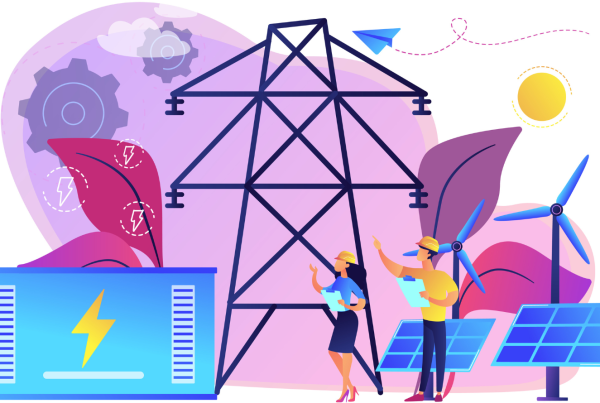
Hybrid power solutions integrate multiple energy sources into a coordinated system. In an industrial context, this typically involves solar generation, diesel gensets, and energy storage operating under a unified control architecture.
Rather than switching between sources reactively, hybrid systems optimise energy usage dynamically. Solar contributes during generation hours, diesel assures during high-load or low-generation periods, and storage smooths transitions. This coordination turns energy supply into a managed system rather than a fixed input.
Jakson’s hybrid energy solutions are engineered around this coordination, ensuring that each component contributes to reliability without creating operational conflicts.
Solar Diesel Hybrid Systems in Industrial Use
The adoption of solar diesel hybrid systems reflects a practical industrial requirement: reduce fuel consumption without compromising uptime. Solar generation offsets a portion of daytime energy demand, while diesel gensets remain available for peak loads and extended outages.
Inindustrial energy systems, this configuration reduces diesel runtime and fuel costs while maintaining power availability. The result is a measurable improvement in operating efficiency without introducing reliability risk.
Jakson’s approach to solar diesel hybrid systems focuses on right-sizing and control, ensuring that renewable integration supports industrial load profiles rather than disrupting them.
Cost Stability and Operational Control
One of the primary reasons industries are moving toward hybrid power solutions is cost predictability. Energy expenses become volatile when operations rely heavily on grid tariffs or fuel pricing alone.
Hybrid systems distribute this risk. Solar reduces exposure to variable tariffs, diesel ensures continuity when required, and storage enables load management. Together, these elements stabilise energy costs over time.
Through its hybrid energy platforms, Jakson enables industrial operators to exercise greater control over their energy mix, aligning power supply with operational priorities rather than external constraints.
Distributed Energy in India’s Industrial Landscape
Hybrid power solutions are a key pillar ofdistributed energy in India, particularly for industrial applications. By generating power closer to the point of use, distributed systems reduce transmission dependence and improve resilience.
For industries operating in remote or infrastructure-constrained regions, distributed hybrid systems provide autonomy from grid limitations. Even in grid-connected environments, distributed hybrid energy improves reliability by decentralizing risk.
Jakson’s hybrid solutions are designed to function effectively across both scenarios, supporting industrial operations regardless of grid quality.
Reliability Without Overdependence
Industrial users increasingly recognize that reliability does not come from overdependence on a single energy source. It comes from balanced system design.
Hybrid power solutions provide this balance. They allow industries to maintain uptime during grid failures, reduce diesel reliance where possible, and integrate renewables without exposing operations to intermittency.
Jakson’s role is to engineer this balance, ensuring that hybrid systems deliver continuity without unnecessary complexity.
Conclusion
Indian industries are moving toward hybrid power solutions because their energy challenges have become multidimensional. Reliability, cost control, and flexibility must now be addressed together, not separately.
Hybrid power solutions meet this requirement by integrating solar, diesel, and intelligent control into a single industrial energy system. Jakson’s hybrid energy solutions support this transition by delivering coordinated, distributed power architectures designed for consistent performance under real operating conditions.
As industrial energy demands evolve, hybrid systems are no longer an alternative; they are becoming the default architecture for dependable power in India
FAQ
They balance reliability, cost control, and flexibility by combining multiple energy sources.
Yes, Jakson designs hybrid systems for microgrids or standalone setups that don’t rely on grid connectivity, combining solar, wind, storage, and distributed generation (DG).
Yes. They improve reliability and cost stability even where grid power is available.