Remote facilities and industrial operations rarely have the luxury of unstable power. Mines, manufacturing plants, institutional campuses, and infrastructure assets operate on tight schedules. An interruption is not an inconvenience. It is lost production, compromised safety, and a real financial impact.
This is where structured, decentralised energy solutions begin to make practical sense. Companies has developed microgrid systems that bring generation, storage, and control into a single, managed ecosystem. These systems are not conceptual models. They are engineered to operate either alongside the utility grid or independently when required. For remote and industrial environments, that flexibility matters. It ensures a steady power supply, even when we’re not reliant on external sources.
Understanding a Microgrid
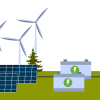
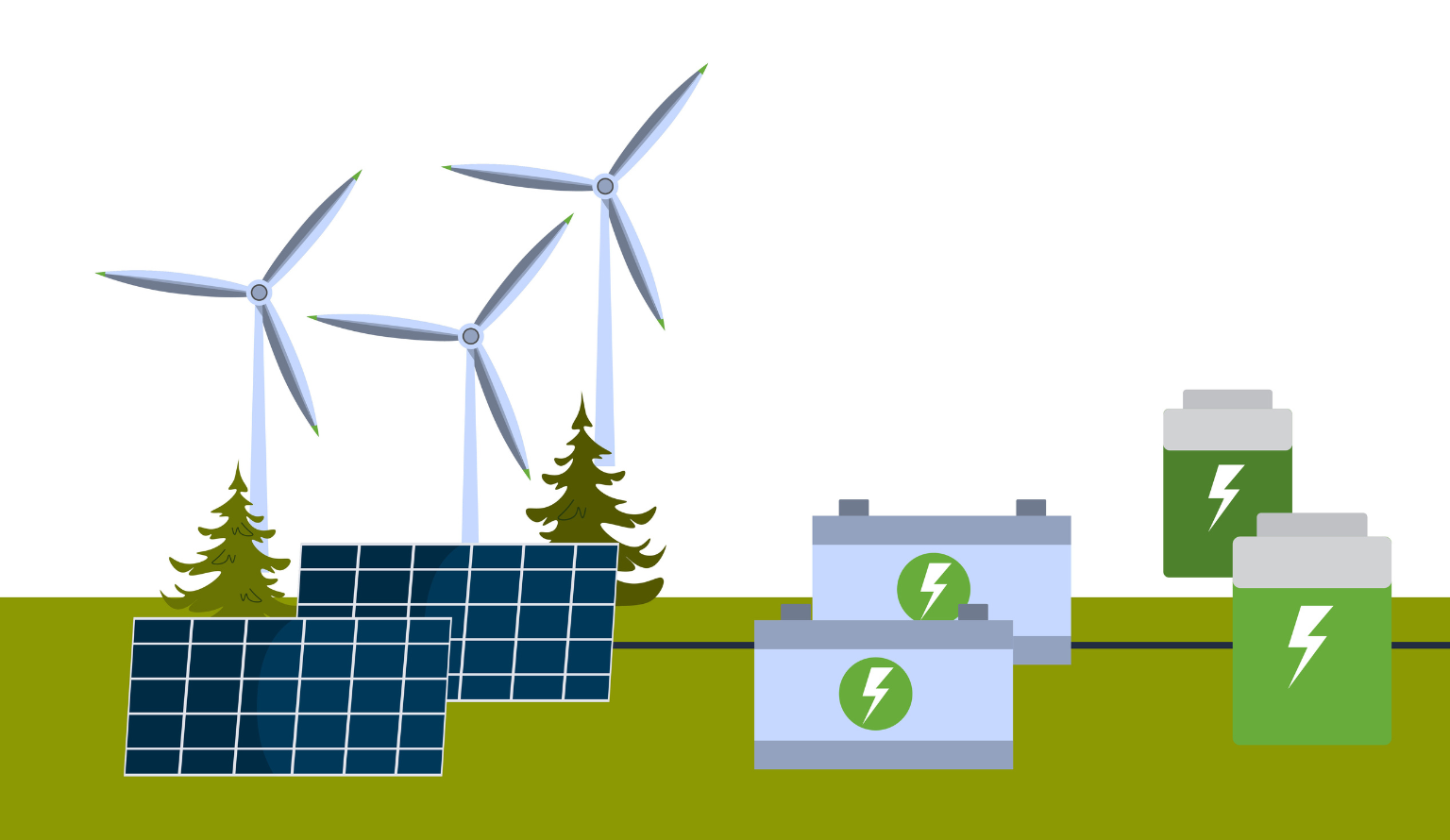
A microgrid is a localised energy network designed to operate within a defined boundary. It combines distributed generation sources, microgrid energy storage, and intelligent control systems.
The defining characteristic is operational flexibility. A microgrid can remain connected to the main grid under normal conditions. It can also disconnect and operate in island mode when the external supply becomes unstable or unavailable
This dual capability is central to its relevance in the energy industry. The system is not simply a backup arrangement. Microgrid systems are integrated setups that use advanced control systems to manage power generation, storage, and load distribution.
Jakson designs microgrid systems to combine renewable energy sources with traditional power generation. The main goal is to achieve consistent, optimised performance, rather than having separate energy components that operate independently.
Core Elements of Microgrid Systems
A functional microgrid doesn’t depend on a single technology; instead, it’s a combination of various components.
Distributed Generation
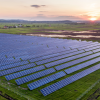
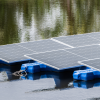
Microgrid solar panels often form a significant part of the generation mix. Solar energy reduces dependence on fuel-based systems and improves operational efficiency. In many remote locations, solar provides a stable daytime generation base. Other generation sources can also be integrated depending on project requirements.
Microgrid Battery Storage
Microgrid battery storage allows energy produced during peak generation periods to be stored and dispatched when demand rises or generation drops. A properly configured microgrid battery storage system enables smoother load management. It reduces reliance on diesel generation during fluctuations. It also supports seamless transition between grid-connected and island operation.
Control Systems
At the centre of microgrid systems lies intelligent monitoring and control. These systems balance generation, storage, and load demand in real time. Without control architecture, distributed assets cannot function as a cohesive network. With it, the system behaves as a unified energy platform.
Why Remote and Industrial Sites Rely on Them
The importance of microgrids becomes clear when looking at operating conditions on the ground.
Remote sites often face unreliable or non-existent access to the grid. Extending transmission infrastructure to isolated areas can be economically unviable. In such cases, decentralisedmicrogrid solar combined with microgrid energy storage creates a self-sustaining power environment.
Industrial sites present a different challenge. They are usually grid-connected but cannot afford outages. Voltage instability or sudden supply disruption can damage equipment and halt processes. A microgrid provides insulation from these events. It maintains continuity without interruption.
In both cases, microgrid benefits extend beyond resilience. They allow better load planning, improved fuel efficiency, and structured integration of renewable sources. The system’s design is based on how it works in practice, rather than on theoretical ideas about making it perfect. Predictability is also an important factor.
Industrial facilities value systems that behave consistently. A properly engineered microgrid battery storage system introduces that predictability into the energy supply.
Solar Integration and Storage
Solar integration within a microgrid is practical rather than symbolic. Microgrid solar panels generate clean power during daylight hours. However, solar generation alone cannot support round-the-clock industrial demand. That’s where microgrid battery storage proves its worth.
Energy harvested when the sun is at its brightest gets saved up, then released when it’s needed. This reduces the need for fuel-powered generators and helps keep the supply steady. It also reduces operational stress on generation assets.
The interplay between microgrid solar and storage defines system reliability. Without storage, solar remains intermittent. Without generation, storage is irrelevant. Together, they find balance.
Jakson integrates these elements into its microgrid systems, ensuring reliable performance even when demand shifts or environmental conditions fluctuate.
Microgrid Involvement in Renewable Generation
Microgrid projects incorporate renewable generation, microgrid battery storage systems, and advanced control platforms, creating unified installations. These solutions are designed for both remote and industrial settings. The emphasis remains on operational stability and lifecycle performance. Not theoretical capacity.
In projects where reliability cannot be compromised, structured microgrid architecture becomes part of core infrastructure planning. Jakson addresses this through end-to-end execution capability across distributed energy applications.
Conclusion
Microgrids are not experimental constructs. In remote and industrial contexts, they have become practical infrastructure decisions. A decentralised system integrating microgrid solar, storage, and intelligent control empowers sites to operate with greater autonomy and reliability.
This approach reduces the risk of grid instability and changes in fuel costs, while also helping to organise energy-planning efforts. Jakson’s research on microgrid systems exemplifies this shift in the energy sector, which is increasingly focused on more robust and integrated solutions.
For facilities where downtime is unacceptable, the conversation is no longer about alternative energy. It is about a controlled, reliable supply built around real operating conditions.
FAQ
Yes. It can function in island mode when the external supply is unavailable or unstable.
It stores excess generation and releases it during demand peaks or supply interruptions, ensuring continuity.
Solar generation is effective, but it must be integrated with microgrid energy storage and control systems to support continuous industrial operations.