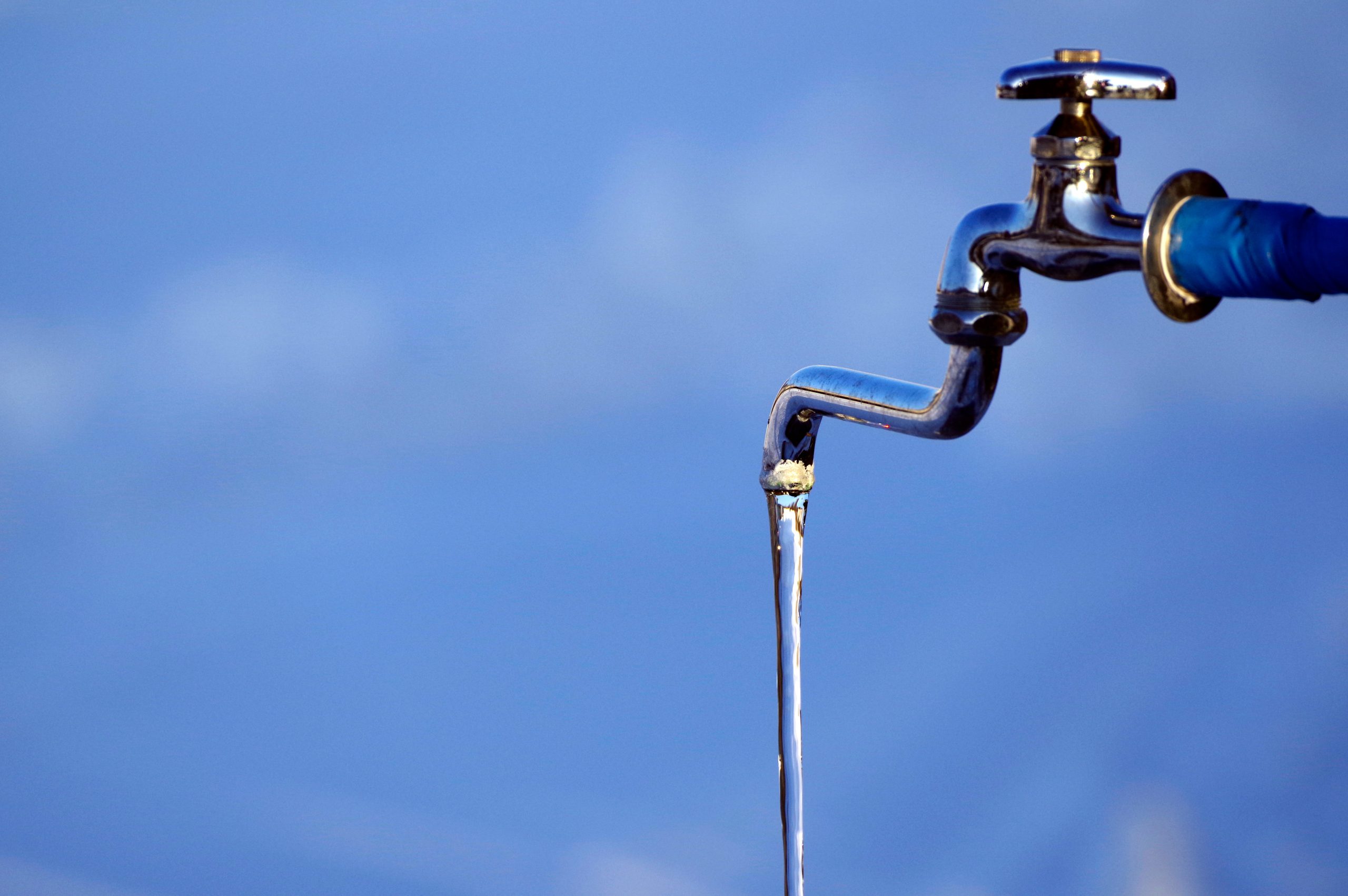
In many parts of India, getting clean and reliable water is still a daily concern. Ageing pipelines, uneven supply, and rising demand continue to affect homes, businesses, and industries. Strong water infrastructure India systems are needed to support economic progress, protect public health, and maintain environmental balance. Without steady investment and proper planning, water shortages and quality issues will continue to slow development. Jakson supports projects that improve water availability and system performance through its infrastructure and utility solutions.
The Growing Pressure On India’s Water Systems
Population growth, expanding cities, and industrial activity have placed heavy pressure on existing water networks. In many regions, systems designed decades ago are now struggling to meet current needs.
Several factors are adding to this pressure:
- Rising domestic and industrial water use
- Changing rainfall patterns linked to climate conditions
- Reduced groundwater recharge
- Old and poorly maintained pipelines
- Pollution of surface and underground water sources
Without timely upgrades, these issues can affect daily life, business operations, and local economies.
Importance Of Integrated Water Management
Effective water management involves more than supplying water. It requires careful planning to balance usage, conservation, and protection of natural resources.
Strong management practices include:
- Tracking consumption patterns
- Detecting and reducing leaks
- Expanding storage facilities
- Protecting rivers and catchment areas
- Encouraging responsible water use
When water resources are managed properly, communities are better prepared to handle both seasonal shortages and long-term demand.
Role Of Wastewater Treatment In Sustainable Development
Untreated sewage and industrial discharge remain major sources of water pollution in many parts of the country. Expanding wastewater treatment capacity is necessary to protect rivers, lakes, and groundwater reserves.
Well-designed treatment systems help to:
- Remove harmful chemicals and bacteria
- Limit environmental damage
- Improve public health conditions
- Enable safe reuse of treated water
- Support regulatory compliance
Reusing treated wastewater also reduces dependence on freshwater sources, especially in regions facing recurring shortages.
Need For Long-Term Sustainable Water Solutions
Temporary fixes cannot address India’s long-term water challenges. Planned investment in sustainable water solutions helps build systems that remain dependable over time.
Important focus areas include:
- Rainwater harvesting
- Digital metering and monitoring
- Water recycling facilities
- Energy-efficient pumping systems
- Climate-resilient storage structures
Sustainable systems lower operating costs and improve resilience during periods of low rainfall or supply disruption.
Strengthening Urban And Rural Water Supply Networks
Reliable urban and rural water supply is necessary for balanced development. While major cities often receive priority investment, many towns and villages still experience irregular access.
Strengthening supply networks involves:
- Expanding treatment and storage capacity
- Replacing ageing pipelines
- Improving village-level water schemes
- Integrating surface and groundwater sources
- Upgrading maintenance systems
Balanced development improves living standards and reduces long-term regional inequality.
How Jakson Supports Water Infrastructure Development
As water infrastructure projects grow in size and complexity, developers require partners who can manage technical and operational requirements. Jakson works across multiple stages of infrastructure development, supporting planning, execution, and long-term system performance.
Jakson supports water infrastructure development through:
- Engineering, procurement, and construction services for water projects
- Development of water treatment and pumping systems
- Support for municipal and industrial infrastructure
- Integration of power solutions with water facilities
- Operation and maintenance services
- Execution of utility-scale infrastructure projects
Economic And Social Impact Of Strong Water Infrastructure
Investment in water infrastructure creates benefits that extend beyond basic supply.
Industry And Commerce
Reliable water access supports manufacturing, power generation, and service businesses. It improves operational planning and reduces downtime caused by supply interruptions.
Public Health
Access to clean water and effective sanitation reduces waterborne illnesses and lowers long-term healthcare costs. Communities benefit from safer living environments and improved hygiene.
Agriculture And Rural Livelihoods
Stable irrigation and drinking water supply improve crop productivity and support rural incomes. This reduces exposure to droughts and seasonal shortages.
Well-planned infrastructure strengthens both economic activity and social stability.
Key Challenges In Water Infrastructure Development
Despite increased investment, several obstacles continue to affect project delivery:
- High capital requirements
- Delays in land acquisition
- Shortage of skilled technical staff in some regions
- Gaps in maintenance funding
- Overlapping institutional responsibilities
Addressing these challenges requires better coordination between government bodies, utilities, and private partners.
Conclusion
Strong water infrastructure supports India’s long-term economic growth and environmental protection. Efficient water management, expanded treatment capacity, and reliable supply networks help ensure that rising demand can be met responsibly. Investment in resilient systems also improves public health and supports industrial development. Through its integrated infrastructure and utility solutions, Jakson continues to support water sector growth by enabling reliable and efficient systems aligned with national priorities.
FAQ
Water infrastructure India supports industry, agriculture, and households by ensuring reliable access to clean water, which is necessary for productivity and public health.
Effective water management reduces wastage, improves storage, and balances demand across sectors, helping maintain a stable supply during high-demand periods.
Wastewater treatment removes harmful pollutants before discharge, protecting rivers, groundwater, and public health.
Sustainable water solutions include recycling systems, rainwater harvesting, smart monitoring, and climate-resilient infrastructure that supports long-term supply.
Reliable urban and rural water supply improves health, education outcomes, and economic opportunities in both cities and villages.
Jakson provides engineering, construction, system integration, and maintenance services for municipal and industrial water projects.