The energy needs in India are still increasing, and the pressure to minimise carbon emissions is becoming increasingly more effective annually. Businesses and utilities are supposed to provide consistent power, manage the expenses and achieve sustainability goals simultaneously. Only conventional systems will not be able to live up to them. This is where energy solutions built on hybrid models are gaining attention.
Hybrid energy brings together multiple renewable energy sources, often combining solar with storage or other generation technologies, to ensure a steady supply. For decision-makers, the issue is to learn how these systems operate and their position. When you understand hybrid energy clearly, it aids you in planning strong infrastructure and implementing risk and alignment between operations and India’s resilience to clean energy.
Understanding Hybrid Energy in the Indian Context
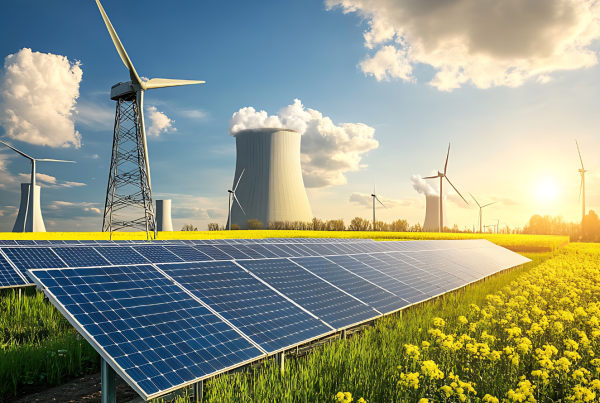
Hybrid energy systems combine two or more technologies of power generation into a single system. Solar generation with battery storage or the traditional reserve is the most popular in India.
As the rate of power transition in India gains momentum, the hybrid models help in reducing the need of fossil fuels and making the grid stable. They prefer big-scale projects and decentralised stations in industrial and commercial facilities.
Why Renewable Energy Alone is not Sufficient
Solar and wind power have increased at a fast rate, but there is an issue of intermittency. Production lines, data centres and logistics networks are industries which need a regular supply.
Hybrid renewable energy solutions address this issue by blending generation with storage or backup systems.
This ensures:
- Less downtime when the demand is high.
- Reduced demand on diesel generators.
- Improved grid integration
- Increased financial predictability.
The Increasing Role of Solar in Hybrid Systems
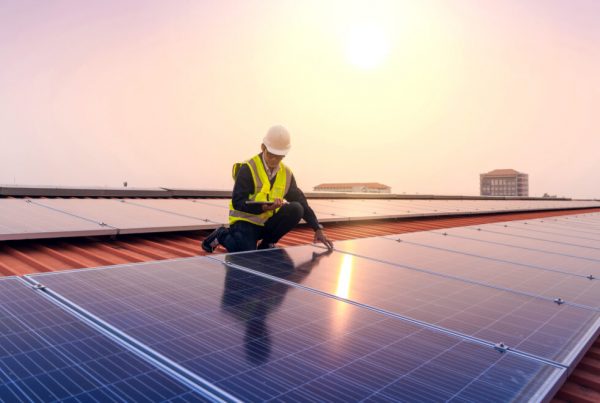
By pairing solar energy solutions with battery storage or hybrid configurations, organisations can extend energy availability beyond daylight hours. This enhances the rates of utilisation and a better ROI.
The active enterprises operating on integrated solar and distributed energy projects can contribute greatly to this change. An example is Jakson, which has operations in solar EPC, distributed energy and energy storage solutions, along with supporting hybrid deployments in commercial and industrial markets.
Storage: The Mechanism of Balancing
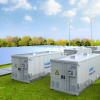
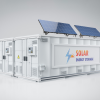
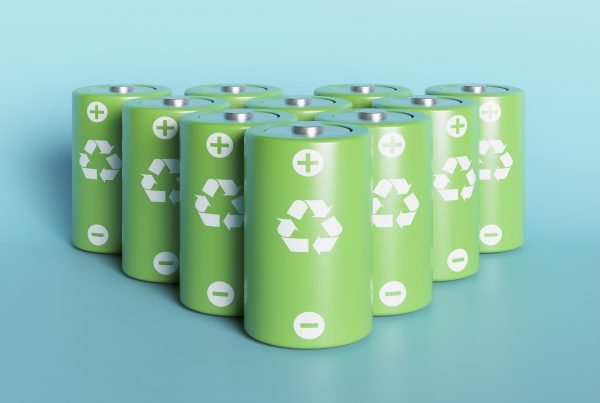
Storage of energy is an essential part of hybrid architecture. In excess of the sunlight production, batteries absorb the excess and give it back when the demand peaks or the grid is off.
The role presents various advantages:
- Peak shaving to save on energy bills.
- Backup assistance in times of failure.
- Enhanced grid stability
- An increased load management flexibility.
Storage transforms intermittent renewable energy sources into dependable supply streams. With the advances in battery technology, hybrid systems can now be considered as sensible to large scale implementation.
Decentralised Energy and Industrial Adoption
The utility-scale project is not the only model where hybrids can be used. The on-site generation, coupled with storage and grid connectivity, is becoming popular in many industrial and commercial facilities.
These decentralised sustainable energy solutions reduce transmission losses and provide greater control over consumption patterns. They also contribute to the corporate environmental commitments.
The presence of Jakson Group in distributed energy and solar EPC projects illustrates the integration of offerings that can facilitate decentralised hybrid installations.
Market Momentum and Policy Support
The government projects aimed at clean energy have resulted in a favourable atmosphere on hybrid projects. The push toward renewable integration, adoption of storage and grid modernisation policies makes the argument of hybrid systems stronger.
Projects that have both consistent output and sustainability are also more welcome by the financial institutions. Bankability is enhanced by predictable performance, which is a good investment in the long run as compared to installations with unpredictable performance.
Economic and Environmental Impact
Hybrid energy minimises the intensity of carbon and still allows operations to continue. This is a two-fold benefit that attracts businesses that have to balance between compliance and competitiveness.
The environmental impacts are reduced greenhouse gases and better air quality of the industrial clusters. Hybrid systems can also stabilise the energy prices by eliminating the exposure to fluctuating fuel prices, which are economic factors.
By integrating solar solutionswith storage and complementary systems, organisations can create structured pathways towards cleaner operations without risking productivity.
Technology Integration and Project Implementation
Efforts to develop hybrid projects require proper planning. Site evaluation, system sizing, storage choice and grid interface design should be according to the demand patterns.
The decisive part in this is end-to-end engineering capability. Companies which deal with solar ECP, distributed energy and system integration within a single system make it easier to coordinate.
Looking Ahead: Hybrid as a Transition Strategy
The clean energy project in India needs scalable and dependable solutions. Hybrid systems provide a controlled solution that integrates the current infrastructure with current renewable technologies.
To the utilities, industries and infrastructure developers, the issue is no longer on whether to use clean energy or not, but how to do so without affecting the reliability. Hybrid energy solutions provide that balance by merging generation diversity with operational stability.
Conclusion
The clean energy transition in India requires more than fast capacity addition. Hybrid models meet this requirement by combining solar energy solutions, storage and complementary technologies into efficient, sustainable energy solutions.
To organisations facing this transition, hybrid deployment can provide the same resilience, cost, and environmental benefits. The technical complexity required to achieve this development is reflected in companies operating in the solar EPC, such as Jakson Group, which distributes energy and integrated systems.
The level of effective integration of hybrid energy, in shaping the next stage of growth in India, will be ascertained through careful planning and integration.
FAQ
Renewable energy sources such as solar and wind, and storage systems, are combined with conventional energy sources through energy solutions in India. Hybrid models are more consistent, sustainable and less dependent on fossil fuels.
The solar energy solutions can deliver clean power throughout the day and when combined with storage, the power supply can be continued into the evening, which improves operational reliability for businesses and increases their return on investment.
The renewable energy solutions produce power at irregular intervals. The hybrid systems which combine renewable energy sources with storage systems provide supply stabilization through their ability to balance peak electricity demand while decreasing diesel backup requirements.
The sustainable energy sources provide businesses with reliable power while decreasing their environmental impact and protecting them from energy price fluctuations. The solutions which improve operational efficiency also help companies achieve their environmental protection targets while reducing their operational costs.
Battery energy storage functions as a system which stores renewable energy after it has been produced and then delivers this stored energy during peak use times or when grid power outages occur to maintain grid stability while reducing expenses.