For many years, energy was treated as a background cost in textile manufacturing. It was necessary, expensive, and largely outside the control of factory owners. That approach is changing. Rising power tariffs, tighter delivery timelines, and sustainability expectations from global buyers are pushing Indian textile manufacturers to rethink how energy fits into their operations. The move towards renewable energy in textile industry settings is now a functional response to these pressures rather than a symbolic one.
Energy costs often account for roughly 15 to 20 percent of total operating expenses in textile units, depending on the nature of production. When margins are tight, this percentage matters. At Jakson, experience across industrial renewable projects has followed this change closely, supporting textile manufacturers who want to adopt clean energy while keeping production stable.
Why Renewable Energy Is Becoming Central to the Textile Sector
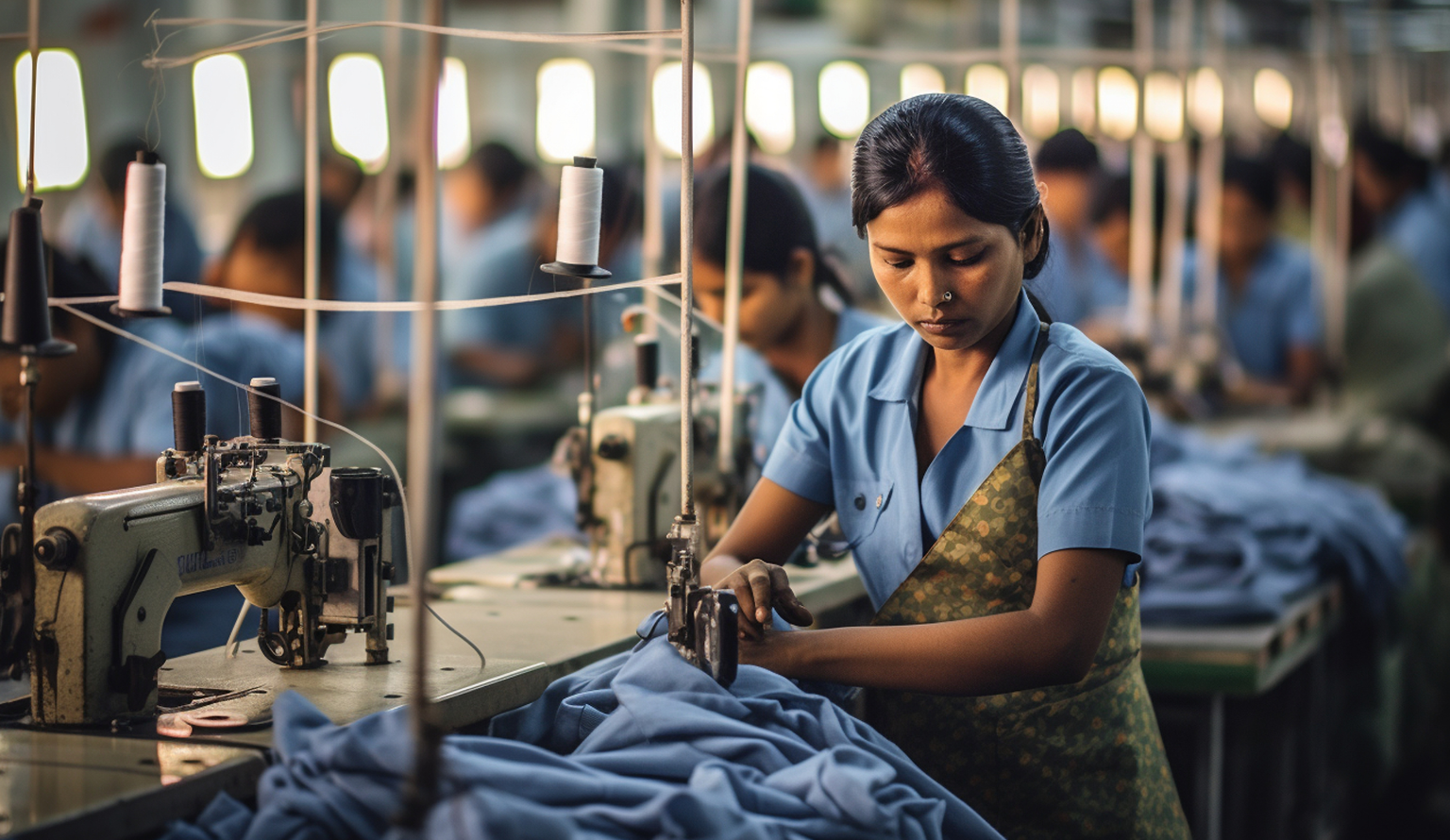
Textile manufacturing relies on continuous operations. Spinning mills often run around the clock, while dyeing and finishing units require consistent electricity and heat. Heavy dependence on grid power and fossil fuels exposes manufacturers to tariff changes and supply risks.
By adopting green energy India initiatives, manufacturers are aiming to reduce long-term exposure to energy price volatility. Renewable energy allows better control over power costs and improves planning certainty. It also helps meet sustainability expectations that are now common in buyer agreements, especially for export-focused units supplying to international markets.
Factors Influencing Sustainable Energy Adoption in Textiles
The shift towards sustainable energy adoption in textiles is being shaped by several overlapping factors rather than a single trigger.
1. Pressure from Global Buyers and Supply Chains
International brands increasingly require transparent carbon reporting and cleaner production methods. Manufacturers supplying to these brands are expected to demonstrate measurable reductions in emissions.
2. Long-Term Cost Stability
Renewable energy brings a level of cost certainty that conventional power sources often cannot. Once installed, systems such as solar operate with relatively stable running costs. This predictability helps manufacturers plan better, especially when operating margins leave little room for unexpected increases in overheads.
3. Government Incentives and Policy Support
Policy support has played a role as well. Net metering policies, open access provisions, and state-level incentives have made renewable installations more viable for industrial users. While regulations vary by location, the overall direction has encouraged manufacturers to evaluate clean energy as part of long-term infrastructure planning.
Renewable Energy Solutions Commonly Used in Textile Manufacturing
Textile manufacturers are not relying on a single solution. The choice of renewable energy depends on geography, available space, and the type of processes involved.
1. Solar Power as a Primary Source
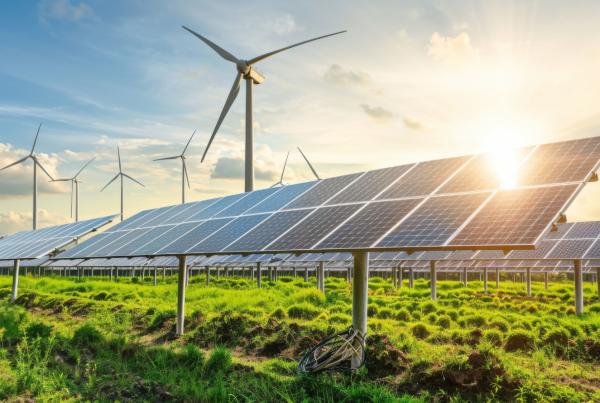
Solar energy in textile manufacturing has seen the widest adoption. Rooftop systems are commonly installed on factory buildings, making use of otherwise unused space. Larger facilities often invest in captive or ground-mounted solar plants to support higher energy demand.
Solar generation aligns well with daytime production cycles and helps reduce dependence on grid power during peak tariff hours. In several large textile units, solar installations are able to meet close to 30 percent of annual electricity requirements, depending on system size and load patterns.
2. Wind and Hybrid Energy Models
In regions such as Tamil Nadu and Gujarat, wind energy complements solar power. Hybrid models that combine both sources help manage seasonal variation and provide a more balanced energy supply across the year.
3. Biomass for Thermal Processes
For processes that require heat, some manufacturers are adopting biomass-based systems. These rely on agricultural residues and are particularly relevant in regions where such materials are readily available. Biomass offers an alternative to fossil-fuel-based boilers while supporting more efficient resource use.
Impact on Operational Efficiency and Sustainability
The transition to the textile industry renewable energy India initiatives has led to measurable operational benefits.
Manufacturers report reduced energy costs over time, improved compliance with sustainability audits, and better resilience against power disruptions. Cleaner energy also lowers indirect emissions, contributing to broader climate commitments under national and international frameworks.
Importantly, renewable installations are being integrated without compromising production schedules, which was once a major concern.
Challenges in Renewable Energy Integration
The transition is not without challenges. Upfront investment remains a consideration, particularly for small and medium-sized manufacturers. Differences in state regulations, grid connectivity issues, and technical integration with existing equipment require careful evaluation.
These challenges highlight the importance of working with partners who understand industrial energy profiles and long-term operational needs, rather than approaching renewable adoption in isolation.
How Jakson Supports Renewable Energy Transition in Textile Manufacturing
Jakson supports the adoption of renewable energy across industrial sectors, including textiles, through a structured and integrated approach. The emphasis is on reliability, scalability, and alignment with manufacturing operations.
Key features include:
- End-to-end solar EPC solutions covering design, engineering, procurement, and construction
- Rooftop and ground-mounted solar installations designed for industrial load requirements
- Experience in captive and open access solar projects for large-scale power demand
- In-house solar module manufacturing to ensure consistent quality and performance
- Operations and maintenance services to support long-term system efficiency
These capabilities allow textile manufacturers to adopt renewable energy while maintaining production stability.
Regional Trends in Renewable Adoption Across Textile Hubs
Adoption patterns vary across India’s textile-producing regions.
Tamil Nadu and Gujarat
These states lead due to strong wind and solar infrastructure. Many textile units use hybrid energy models to maintain consistent power availability.
Rajasthan
High solar potential has encouraged captive solar installations, particularly among processing units focused on long-term energy cost control.
Maharashtra
Manufacturers are increasingly turning to open access solar power to manage rising grid tariffs, especially in clusters with predictable daytime demand.
Long-Term Outlook for Sustainable Textiles in India
The focus on sustainable textiles is expected to strengthen over time. Renewable energy will remain a key part of this shift, alongside improvements in water use and resource efficiency.
As technology costs continue to decline and financing options expand, adoption barriers are likely to reduce. Manufacturers that act early are better positioned to respond to future regulatory and buyer expectations.
Conclusion
The growing use of renewable energy textile industry practices reflects a broader change in how Indian textile manufacturers green energy approach energy planning. Clean power is increasingly seen as a functional tool for cost control, compliance, and long-term resilience.
At Jakson, the focus remains on supporting this transition through dependable renewable solutions that align with industrial requirements. As renewable adoption expands, the textile sector moves steadily towards a more stable and future-ready operating model.
FAQ
Rising electricity tariffs, supply volatility, and sustainability expectations from global buyers are pushing manufacturers to treat energy as a strategic operational factor rather than a fixed overhead.
Solar power is the most widely adopted due to its scalability and alignment with daytime production. In certain regions, wind and hybrid systems help balance seasonal power availability.
Yes, when systems are designed around load patterns and grid connectivity, renewable installations integrate smoothly with existing infrastructure without disrupting production schedules.
Using renewable power lowers indirect emissions and improves compliance with buyer and audit requirements, strengthening long-term positioning for sustainable textiles in global supply chains.
Jakson works with textile units to deploy reliable renewable energy in textile industry applications through integrated solar EPC solutions, captive projects, and long-term operational support.
Yes, modular solar systems and open access models allow smaller units to adopt clean power gradually, supporting sustainable energy adoption in textiles without large upfront investments.
Many global brands now assess energy sourcing during audits. Renewable usage supports emission reduction targets and strengthens credibility for Indian textile manufacturers.
No, when planned correctly, renewable systems operate alongside grid power, ensuring a consistent supply and helping manufacturers maintain product quality and delivery timelines across diverse production cycles.