India’s move toward renewable energy has unfolded gradually, shaped as much by necessity as by ambition. Rising demand, pressure on conventional fuels, and the need for long-term energy security have all played a role. What stands out is that this transition has not been treated as a single policy decision or a short-term shift. It has evolved through steady capacity addition, infrastructure development, and changes in how power is planned and delivered.
Renewable energy growth in India is now closely linked with how the country thinks about reliability and resilience. Solar and wind installations, grid integration, and decentralised projects are no longer viewed as experiments. They are part of the mainstream power system. Jakson’s work in green energy reflects this practical orientation. Projects are developed to operate within India’s real operating conditions, contributing to clean energy targets without disrupting the stability that the power sector depends on.
How India’s energy shift is taking shape
India’s power transition has been shaped by scale. Energy demand continues to rise, and the system must expand without increasing long-term vulnerability. Renewable energy has emerged as a structural response to this challenge.
Insights from broader industry analysis show that renewables are being integrated not only to reduce emissions, but also to diversify the energy mix. This diversification reduces dependence on imported fuels and buffers the system against supply volatility. Renewable energy growth in India, in this sense, supports both sustainability and stability.
Jakson’s energy portfolio fits into this framework. Our projects are developed with the understanding that renewables must work alongside existing infrastructure rather than replace it abruptly.
Why is energy security shaping renewable adoption?
Energy security in India has increasingly influenced renewable adoption. Clean energy is not being pursued only for environmental reasons. It is also a way to strengthen control over power generation and supply.
By expanding domestic solar and wind capacity, India reduces its exposure to fuel price fluctuations and external disruptions. Renewable installations provide predictable generation profiles over time. This predictability supports planning across industrial, commercial, and utility-scale users.
Jakson’s approach recognises this connection. Our green energy projects are positioned as long-term assets that contribute to energy security, not short-term additions driven by targets alone.
Solar and wind as complementary pillars
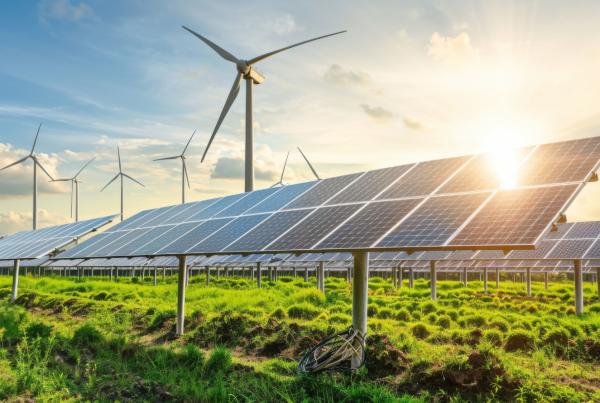
Solar and wind in India have grown along parallel paths. Each serves different geographies and demand patterns. Together, they form the backbone of renewable expansion.
Solar projects benefit from scalability and widespread applicability. Wind contributes where resource conditions are strong and consistent. The combination improves overall system balance.
Jakson’s involvement across multiple renewable technologies reflects an understanding that no single source can carry the transition alone. Diversification reduces risk and supports steady output across seasons and regions.
What enables low-carbon power at scale?
Low-carbon electricity depends on more than generation assets. It requires supporting infrastructure that can absorb, transmit, and manage renewable power.
Grid integration, project engineering, and long-term operations all influence how effective renewable capacity becomes. Clean energy targets can only be met when infrastructure keeps pace with capacity additions.
Jakson’s energy work emphasises this alignment. We develop projects with attention to system compatibility, ensuring renewable assets contribute consistently rather than intermittently.
Execution and integration challenges
Renewable expansion brings its own challenges. Variability, land constraints, and integration complexity require careful planning. The transition must be managed without compromising supply continuity.
Industry perspectives highlight that execution quality often determines outcomes more than installed capacity. Poorly integrated projects strain the grid and reduce confidence in renewables.
Jakson’s execution focus addresses this reality. Engineering and delivery are treated as critical to sustainability, not secondary considerations.
Jakson’s position within India’s green energy build-out
Jakson’s contribution to sustainable energy solutions lies in implementation. Green energy projects are developed to operate within India’s evolving power landscape.
The emphasis remains on reliability, integration, and long-term performance. Renewable assets are not positioned as symbolic gestures. They are designed to deliver power consistently and support broader clean energy targets.
By aligning project development with national energy priorities, we support renewable growth that strengthens the overall system.
Taking stock of where India stands today
India’s renewable journey is ongoing. Progress has been significant, but the transition is not complete. Renewable energy growth in India continues to depend on coordinated planning, infrastructure investment, and disciplined execution.
Solar and wind capacity additions are reshaping how power is generated. At the same time, the system is learning how to manage variability and scale sustainably.
The direction is clear, even if the pace varies.
Conclusion
India’s journey toward renewable energy reflects a balance between ambition and practicality. Clean energy targets guide the transition, but execution defines its success.
Our role in green energy supports this steady progression. By focusing on delivery and integration, renewable projects become part of a durable power system rather than isolated milestones.
Sustainability in energy is built gradually. It strengthens when systems are designed to last
FAQ
By reducing dependence on imported fuels and diversifying power sources, renewables add stability to the energy system.
They complement each other across regions and seasons, improving overall reliability.
They translate policy intent into working infrastructure through project development and execution.