Energy discussions inside infrastructure and power projects rarely stay limited to a single label. In practical conversations, you will hear renewable energy, green energy, clean energy, and sometimes sustainable energy or green power used almost interchangeably. The intention is usually clear, but the meaning behind each term is not always identical.
In most power planning conversations, the distinction becomes relevant when organisations evaluate technologies such as solar, wind, hydropower, geothermal, biomass, or emerging marine energy sources. These technologies all fall under renewable energy because they rely on naturally occurring processes. Yet not every renewable source is automatically classified as green energy.
JAKSON operates in the broader renewable energy ecosystem; understanding these distinctions helps frame how energy systems are discussed, planned, and communicated.
Renewable Energy: Power Derived from Natural Cycles
Renewable energy refers to electricity generated from resources that naturally replenish over time. The reference sources show several common examples already widely used across the global power infrastructure.
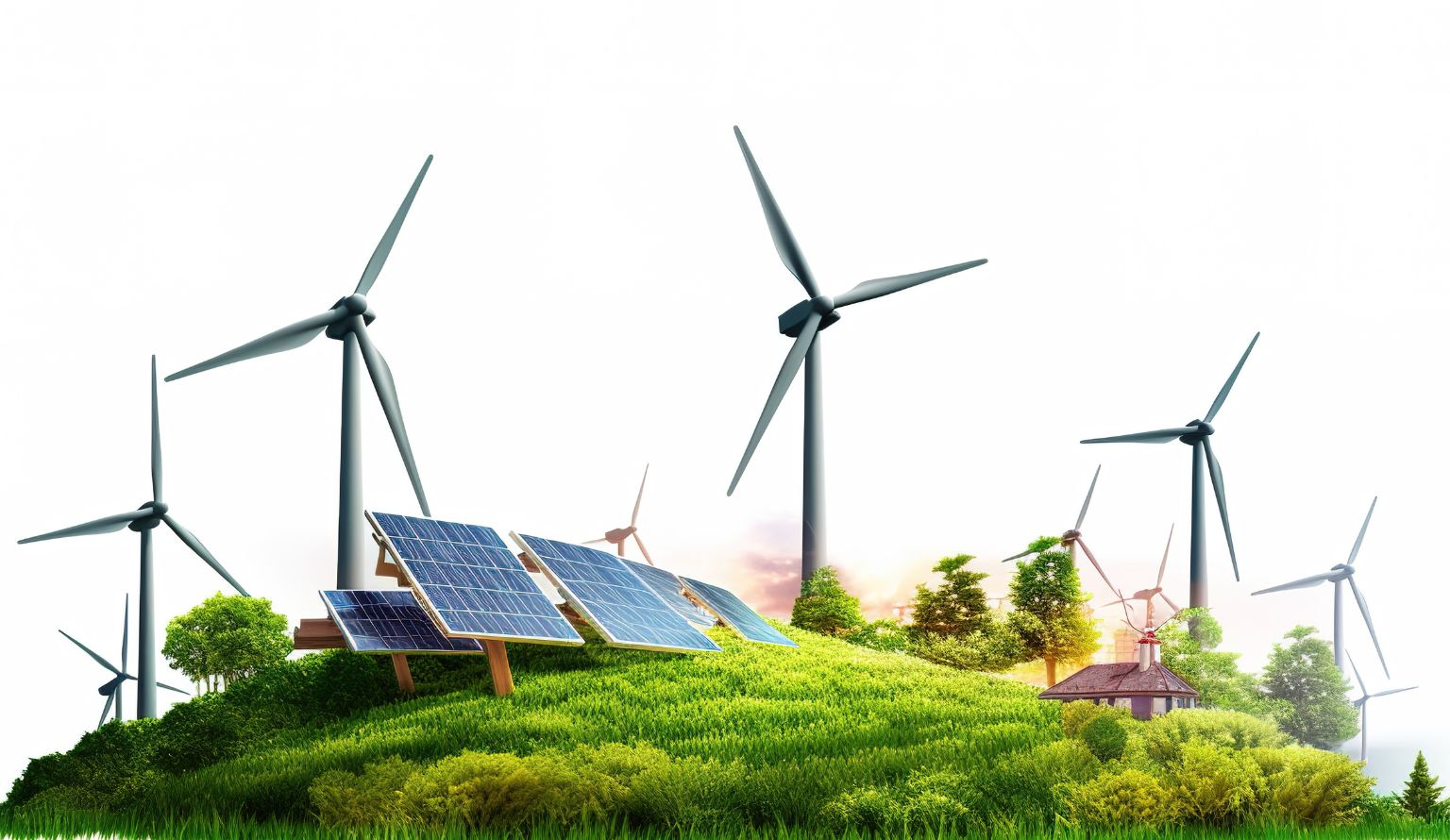
- Solar energy captures sunlight using photovoltaic cells installed on solar panels. The sunlight is converted into electricity by an inverter, which allows the power to be used in homes or facilities.
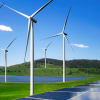
- Wind energy relies on air movement. Large turbines rotate when wind pushes the blades, converting kinetic motion into mechanical power and eventually into electricity.
- Hydroelectric energy, often called hydropower, uses the force of moving water to spin turbines connected to generators. It was among the earliest electricity generation methods adopted at scale.
- Geothermal energy draws heat from deep within the earth. Wells drilled underground allow steam or hot water to reach the surface, driving turbines that generate electricity.
- Biomass energy comes from plant and animal material. Wood, agricultural crops, and municipal solid waste are common sources. Biomass is often burned to create heat or steam that powers turbines.
- Marine energy is still emerging, but it relies on the natural movement of the ocean.
All of these fall within renewable energy systems because their sources continue to exist through natural processes.
How Renewable, Green, Clean and Sustainable Energy Intersect
The terminology can feel crowded, yet each label points to a slightly different idea.
| Energy Term | What It Refers To | Key Characteristic |
| Renewable Energy | Energy from naturally replenishing sources such as solar, wind, hydropower, geothermal, biomass, and marine energy | Resource renews through natural cycles |
| Green Energy | Energy with the least environmental impact | Minimal ecological damage |
| Clean Energy | Energy that does not produce greenhouse gases or pollutants | Focus on emissions |
| Sustainable Energy | Energy sources that replenish over time and remain available long-term | Long-term resource availability |
| Alternative Energy | Energy sources used as alternatives to conventional power generation | Substitute for traditional systems |
The terms often overlap in practice. Solar and wind power, for example, are often described as renewable, green, and clean energy.
The difference is mostly in how the conversation is framed.
Green Energy: A Narrower Environmental Standard
Green energy refers to energy sources that produce the least environmental impact. The emphasis here is not simply replenishment but environmental footprint.
In other words, green energy is defined by how little pollution or ecological disruption occurs during energy generation.
This difference matters. Some renewable technologies can still cause emissions or have environmental downsides when they are used. When people talk about green energy, they expect its environmental impact to be very low.
This is also why green energy often overlaps with clean energy, which means energy that does not produce greenhouse gases or pollution during production.
Final Thoughts: A Practical Perspective from the Energy Sector
The distinctions between these terms are frequently confused in actual project meetings. While environmental teams refer to it as “green energy,” engineers may discuss renewable energy capacity. Sustainable or clean energy may be the main topic of policy documents.
The technology itself remains the same.
JAKSON is working across renewable power systems, operating within that overlap every day. Solar plants, wind infrastructure, biomass facilities, and hybrid renewable energy systems all fall under the broader transition toward lower-impact power generation.
FAQ
Not always. Renewable energy refers to sources that naturally replenish, while green energy specifically refers to sources that produce the least environmental impact.
Clean energy focuses on the absence of greenhouse gases or pollutants during generation. Green energy emphasises minimal environmental impact overall.
Each term highlights a different aspect of energy production, such as resource availability, emissions, or environmental footprint.