Electricity consumption in Indian homes has been rising steadily over the past decade. Air conditioning, appliances, and digital infrastructure now run through most households without much pause. The bill that arrives every month reflects that shift quite clearly.
At the same time, many homeowners have begun looking at solar electricity as a practical way to manage long-term energy costs. The conversation is no longer limited to sustainability alone. It now includes reliability, predictable expenses, and partial energy independence.
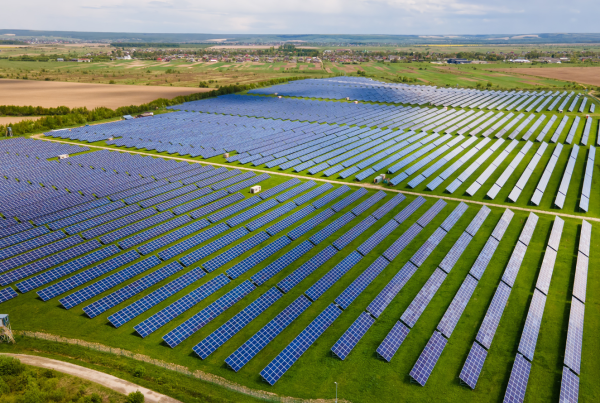
Across cities and smaller towns, rooftop solar systems are appearing on residential terraces. The decision is rarely ideological. Most homeowners arrive at it after carefully reviewing their electricity bills.
JAKSON operates within India’s growing renewable energy ecosystem and has been working with residential and commercial clients to explore this shift toward solar energy for homes.
Rooftop Solar Systems and the Quiet Economics of Solar Electricity
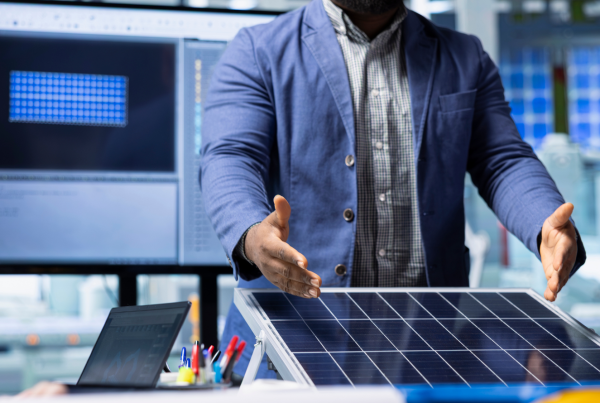
A rooftop solar system makes electricity from sunlight. This power can run your household appliances during the day, so you use less grid electricity.
You can see the difference in your monthly electricity bill.
When home solar panels generate sufficient electricity during the day, grid consumption drops. For households with consistent daytime usage such as cooling systems, kitchen equipment, or work-from-home setups, the difference can be noticeable.
Most homeowners start noticing the shift in numbers fairly quickly. A typical home solar panel setup (3–5 kW) can generate 12–20 units of solar electricity per day, significantly reducing monthly grid usage.
Over time, this is where the real solar panels’ benefits show lower bills and reduced carbon emissions. Many renewable energy companies in India also integrate backup power, making the system more reliable for everyday use.
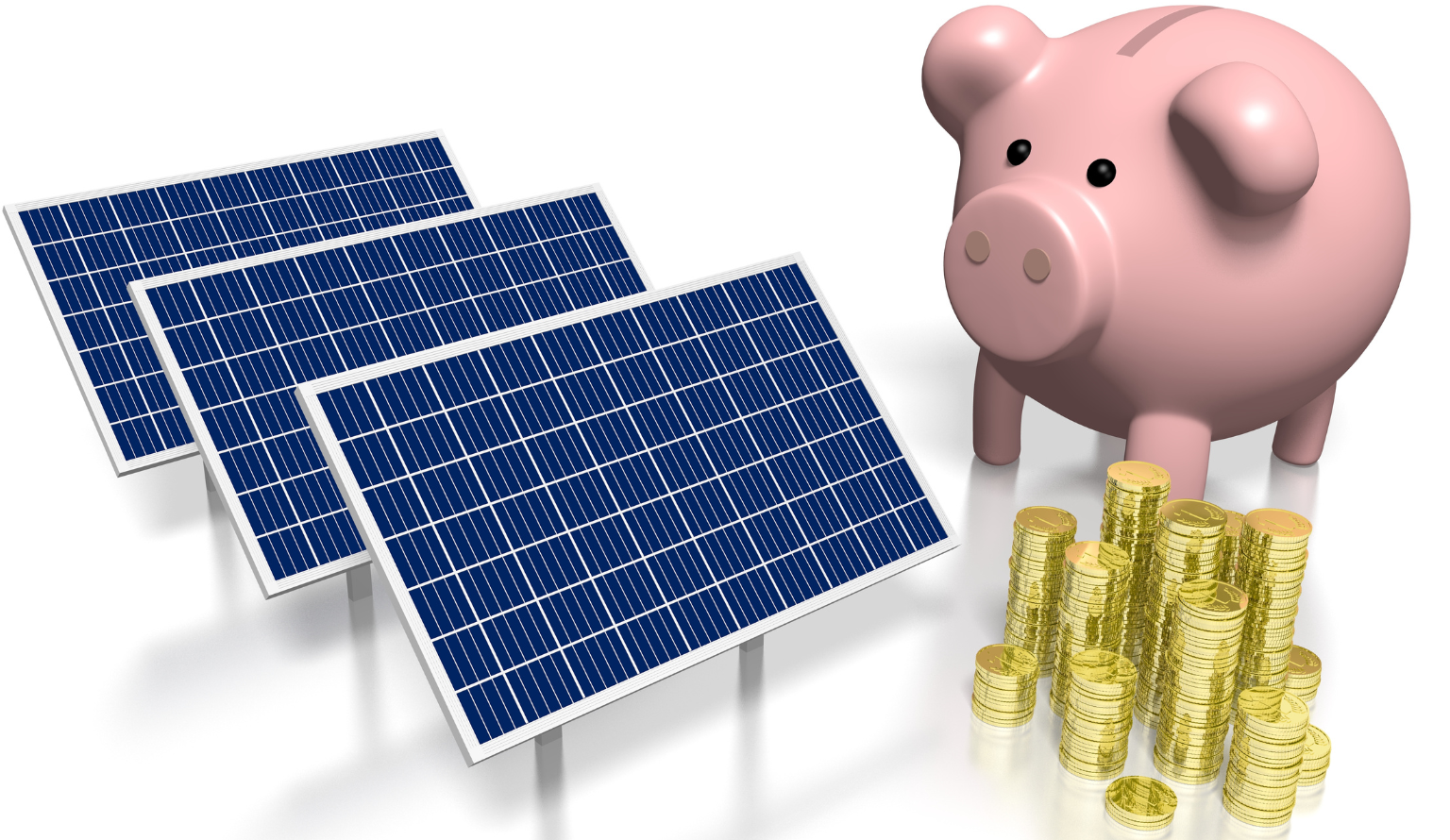
So, installing solar panels is less about having the latest technology and more about controlling your energy costs over time.
Installing Solar Panels: What Homeowners Usually Notice First
Most homeowners first think about the basics of installation. They look at the roof space, how much sunlight it gets, and whether the structure is strong enough.
Once the system is operational, the attention quickly shifts to usage patterns.
Electric appliances used during daylight hours begin running on solar electricity generated by the rooftop solar system. Grid electricity becomes secondary during those periods. Over time, households often adapt their energy habits slightly to make better use of available solar power.
This behavioural adjustment tends to happen naturally.
Solar Energy Panels for Homes and the Role of Backup Power
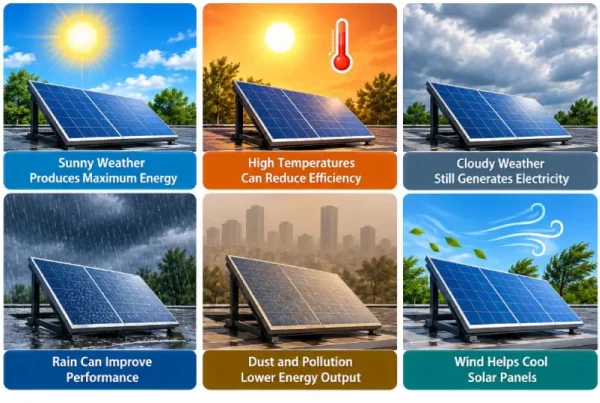
Solar production depends on sunlight, so generation naturally fluctuates during cloudy conditions or at night.
This is where backup power becomes relevant. Many residential systems integrate battery storage or remain connected to the grid to ensure a continuous electricity supply.
The solar system handles daytime production. Backup power supports evening or emergency usage.
Homeowners, therefore, experience a combination of solar electricity generation and reliable grid or battery support.
Grid Power vs Solar Electricity at Home
| Energy Source | How It Works | Cost Impact Over Time | Carbon Impact |
| Grid Electricity | Electricity is supplied by traditional power plants through the utility grid | The monthly cost depends entirely on consumption and tariff changes | Higher carbon emissions due to fossil fuel generation |
| Solar Electricity (Rooftop Solar Systems) | Solar energy panels for homes convert sunlight into electricity on the rooftop | Reduces reliance on grid power and lowers long-term electricity bills | Minimal operational carbon emissions |
Closing Thoughts
Energy decisions inside homes rarely happen quickly. They evolve gradually, usually driven by practical considerations rather than environmental statements.
Solar electricity has quietly entered that space. Not as a novelty, but as a working option.
For many homeowners, rooftop solar systems simply make the monthly energy equation a little more predictable.
FAQ
The amount you save depends on your system size, how much sunlight you get, and how your family uses electricity. Many homes see good savings when they use more power during the day.
Standard grid-connected systems automatically shut down during power outages for safety. But if your system has a battery backup, it can keep supplying electricity.
The process usually includes checking your site, designing the system, installing it, and getting grid connection approvals. Most of these steps are handled by experienced providers.