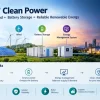

Reducing environmental impact is becoming a priority for businesses across industries. Many companies are exploring strategies that minimise emissions while maintaining operational efficiency. One key approach is clean energy adoption, which enables organisations to power operations through solar, wind, or hybrid energy systems, supporting more sustainable and responsible operations.
Corporate energy strategies play a decisive role in lowering emissions over time. Integrating renewable solutions helps organisations optimise electricity use while reducing business carbon footprint. By focusing on energy-efficient technologies and structured energy planning, companies can achieve measurable sustainability results. Jakson Group illustrates how businesses can effectively implement clean energy across their operations.
Transitioning to Solar and Wind Energy Solutions
Businesses are increasingly exploring clean energy adoption through solar and wind technologies. By assessing energy requirements and analysing site conditions, companies can determine the optimal scale of renewable infrastructure. This transition reduces dependence on conventional electricity sources while contributing to long-term environmental responsibility.
Large-scale and smaller installations offer different advantages. Commercial buildings may implement rooftop solar, while manufacturing facilities can invest in on-site wind turbines. Each step involves calculating potential energy output and cost benefits. Structured planning ensures organisations adopt the most effective combination of renewable systems for operational and environmental goals.
Implementing Energy Storage for Continuous Supply
Battery energy storage systems (BESS) are central to maintaining uninterrupted power in business operations. These systems store surplus energy generated from renewables, providing consistent electricity during peak demand periods. Integrating storage enhances operational stability while reducing business carbon footprint by lowering reliance on fossil fuel backup generators.
Energy storage also facilitates load management and peak-shaving strategies, enabling companies to optimise grid interaction. With modular battery setups, businesses can scale storage incrementally to meet energy demands. This model ensures continuity of operations and maximises the effectiveness of renewable energy sources in everyday business processes.
Optimising Building Electrification and Smart Systems
Modern building electrification incorporates energy-efficient lighting, intelligent heating, ventilation, and cooling systems, and automated monitoring tools. These smart systems reduce electricity consumption and operational emissions while supporting renewable energy for businesses through efficient integration with on-site or grid-supplied renewables.
Businesses can analyse energy usage patterns to adjust systems dynamically. Advanced sensors and controls allow precise energy distribution, enhancing efficiency across facilities. Structured implementation of electrification solutions ensures that commercial and industrial buildings achieve measurable emission reductions while contributing to broader sustainability objectives.
Adopting Hybrid and Distributed Energy Models
Hybrid energy models combine renewable energy sources with conventional grid power to ensure a consistent supply and flexibility. By decentralising energy production, companies can integrate sustainable power solutions tailored to operational needs, supporting both reliability and environmental performance.
By generating energy closer to consumption, distributed networks reduce losses and improve reliability. Integrated with renewables, microgrids strengthen resilience, optimise efficiency, and help businesses lower emissions across their operations.
Integrating Green Transportation and Electrification
Electrifying commercial fleets and installing electric vehicle charging infrastructure significantly influence corporate energy consumption. Transitioning transport to electric systems supports corporate sustainability by decreasing fossil fuel dependency and emissions across logistics and commuting operations.
Smart transport planning includes optimising routes, vehicle load management, and integrating renewable energy sources into charging networks. Implementing these measures enables companies to systematically monitor energy use, reduce operational emissions, and achieve tangible progress in reducing the environmental impact of their transport activities.
Leveraging Waste-to-Energy and Biofuel Initiatives
Businesses can convert organic, industrial, or agricultural waste into energy, producing biogas, biofuels, or electricity. Implementing such systems contributes directly to corporate sustainability, reducing landfill waste and offsetting conventional energy consumption through renewable alternatives.
Waste-to-energy initiatives vary from small-scale digesters for on-site facilities to industrial plants that supply energy to local grids. By integrating these solutions, organisations can create circular energy systems, reduce emissions, and enhance environmental performance while simultaneously aligning operations with long-term climate objectives.
Jakson Group’s Role in Driving Clean Energy Adoption
Jakson Group demonstrates how a structured approach to renewable energy, electrification, and sustainable infrastructure can create measurable reductions in carbon emissions. Their initiatives combine engineering expertise, green construction, and advanced energy systems, showing how businesses can integrate clean energy solutions effectively while supporting long-term environmental and operational goals.
The following initiatives illustrate their contributions:
- Developing large-scale solar power plants that replace fossil-fuel dependency in commercial and rural settings.
- Implementing urban and rural electrification projects that integrate renewable energy into local grids.
- Introducing energy-efficient building electrification systems for commercial and residential projects.
- Supporting metro and rail electrification to reduce emissions in transportation infrastructure.
- Operating water treatment and distribution projects that combine energy efficiency with sustainability measures.
Conclusion
Businesses can achieve meaningful reductions in carbon emissions by integrating renewable energy, energy storage, smart systems, and sustainable operational practices. Each step contributes to measurable environmental improvements while strengthening overall efficiency and resilience. By adopting these strategies thoughtfully, organisations can create lasting impact. Jakson Group reflects how such clean energy solutions are being integrated across diverse operations.
FAQ
Businesses can start by evaluating current electricity usage and identifying areas where renewable generation can replace conventional supply.
Energy storage helps organisations use renewable electricity more consistently and lowers dependence on backup generators.
Jakson Group develops and implements renewable energy, electrification, and low-emission infrastructure projects across multiple sectors.
Smart building systems optimise electricity consumption through automated controls and high-performance equipment operation.
Yes, converting vehicle fleets to electric power decreases fuel-based emissions from business transport activities.
Hybrid systems combine multiple power sources to ensure a continuous power supply while reducing dependence on a single energy source.
Waste-to-energy processes transform discarded materials into usable power, reducing landfill disposal and conventional fuel use.