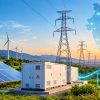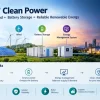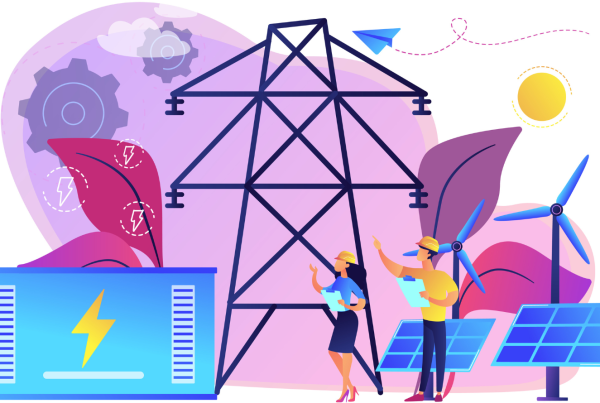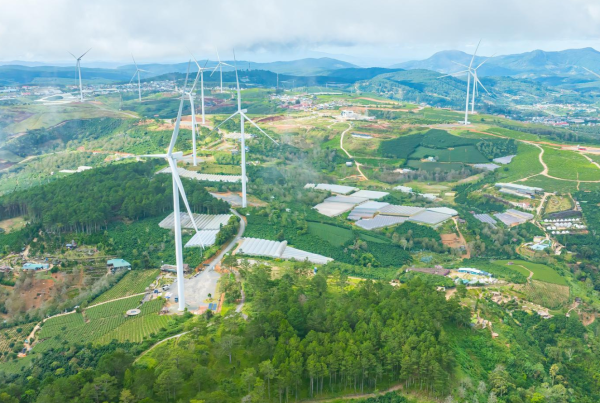
India is increasingly turning to renewable energy to reduce carbon emissions and meet growing electricity needs. Solar and wind power offer sustainable alternatives, but their output fluctuates throughout the day. Batteries in renewable energy store excess electricity when generation is high and release it during peak demand, providing an effective way to manage fluctuations and maintain a stable supply across homes, businesses, an/d the grid.
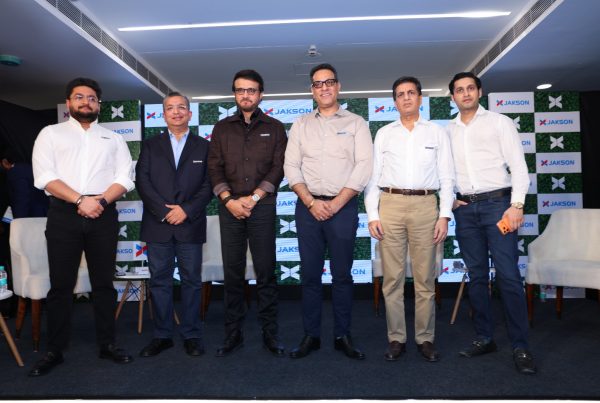
The rising adoption of clean energy has brought attention to the importance of energy storage in India. These systems enhance operational efficiency and ensure continuous power for industries and communities. Companies such as Jakson Group integrate battery storage into renewable projects, helping stabilize the grid while supporting long-term sustainability and the nation’s energy goals.
Understanding Battery Technologies for Renewable Energy
Batteries are central to integrating renewable sources into power systems. The most widely used are lithium-ion, lead-acid, and flow batteries, each converting chemical energy into electricity in distinct ways. Systems are designed to store energy efficiently, optimize performance, and adapt to specific energy demands across industrial and commercial applications.
A battery management system ensures the longevity and safety of these systems. It monitors the voltage, current, and temperature of each cell, preventing failures and maintaining functioning. Effective operation and careful coordination of these components are essential for maximizing the potential of batteries in renewable energy.
How Batteries Stabilise Intermittent Renewable Sources
Solar and wind power fluctuate due to changing weather and daylight hours. Batteries store surplus energy during high generation periods and release it when production is low, smoothing supply and demand variations. This process mitigates potential disruptions and supports grid operators in maintaining continuous power flow, making energy storage in India more impactful.
By regulating energy dispatch, batteries improve frequency stability and prevent system overloading. They support effective peak management, ensuring consistent supply across industrial, commercial, and residential demand. In doing so, these systems play a critical role in integrating renewable energy into the broader grid infrastructure.
Economic Benefits of Battery Energy Storage Systems
Businesses increasingly adopt storage to reduce operational costs. BESS (Battery Energy Storage Systems) can shift energy usage to less expensive periods, decrease peak demand charges, and improve overall grid efficiency. These cost savings are measurable and provide strong incentives for industries and utilities to invest in energy storage infrastructure.
Additionally, storage systems can offer returns on investment by enabling energy optimization and reducing reliance on expensive backup power. This approach supports commercial viability while fostering the growth of renewable energy expansion across urban and industrial sectors.
Supporting Microgrids and Rural Electrification
Decentralized energy systems are transforming rural communities by providing continuous electricity through renewable sources and batteries. Microgrids help manage energy locally, ensuring schools, clinics, and small businesses remain operational even when solar or wind generation varies. This strengthens energy access and supports sustainable development in remote areas.
BESS deployment in microgrids enhances resilience and allows modular capacity expansion as local demand grows. Communities gain control over energy resources, improving autonomy and planning. The combination of energy storage and renewable generation ensures a consistent power supply while fostering long-term socio-economic development in rural regions.
Environmental Impact of Battery Integration
Battery storage reduces dependence on fossil fuels, lowering CO₂ emissions and other pollutants. By storing renewable energy for use during high-demand periods, these systems make low-carbon electricity more accessible, improving the environmental footprint of industrial, commercial, and community energy consumption across India.
Lifecycle management, including recycling and responsible disposal, supports sustainability. Ongoing technological improvements minimize resource use while maintaining output. Incorporating BESS contributes to cleaner energy supply chains, aligning with India’s climate goals and accelerating the nation’s transition toward sustainable power generation.
Emerging Technologies and Future Trends in Storage
Innovations in battery technologies, including solid-state and hybrid systems, promise higher efficiency, longer lifespans, and improved safety. Such developments could enhance grid integration and reduce operational costs, expanding opportunities for renewable energy adoption.
Government incentives, research initiatives, and private sector participation are accelerating deployment. As technology matures, future storage solutions will support larger-scale renewable projects and urban energy systems, strengthening India’s transition towards sustainable power infrastructure and broader batteries in renewable energy integration.
Jakson Group’s Battery Solutions Supporting Renewable Growth
Jakson Group develops modular battery energy storage systems that integrate grid, solar, and wind power to provide a consistent electricity supply. Intelligent energy management and thermal control help these systems manage load variations, optimize energy use, and maintain stable performance across homes, businesses, and industries in India.
Here are the key features and capabilities of Jakson’s battery solutions:
- Jakson’s EnerPack BESS can be customized from 5 kW for diverse energy requirements.
- Hybrid inverters in Jakson systems manage both charging and discharging efficiently.
- Intelligent energy management systems optimize the flow of renewable and grid electricity.
- Lithium-ion batteries and thermal control maintain stable output and battery health.
- Modular design facilitates rapid deployment for microgrids, commercial, and residential setups.
Conclusion
Batteries are transforming India’s renewable energy landscape by providing consistent power, balancing supply and demand, and supporting sustainable growth. Their integration into grids, microgrids, and industrial systems highlights the functional value of energy storage for the nation’s future. Solutions from Jakson Group continue to advance this transition, making clean energy more accessible and manageable.
FAQ
They store electricity when generation is high and release it when demand increases.
Lithium-ion, lead-acid, and flow batteries are widely employed for energy storage.
They stabilize power for factories, offices, and commercial facilities.
By storing renewable energy, they reduce reliance on fossil fuel generators.
They provide steady electricity to remote communities and essential services.
New technologies like hybrid and solid-state batteries improve capacity and lifespan.
Jakson Group develops modular systems combining grid, solar, and wind power.