
Solar energy is the power derived from sunlight and converted into electricity or heat. It plays a crucial role in modern energy systems by providing a sustainable alternative to traditional energy sources. Understanding the solar energy meaning helps individuals and businesses make informed choices about energy generation and its applications in commercial and industrial sectors.
Beyond its basic definition, solar energy offers significant environmental and economic advantages. The benefits of solar energy include cost reductions, reduced carbon emissions, and scalable applications for different energy needs. Many companies, such as Jakson Group, integrate these systems into commercial infrastructure to achieve long-term efficiency and sustainability.
What Is Solar Energy?
Solar energy is the power generated from sunlight and converted into electricity or heat for multiple applications. It represents a renewable alternative to fossil fuels, supporting environmental sustainability while meeting industrial, commercial, and residential energy requirements efficiently.
Photovoltaic systems transform sunlight directly into electrical energy, whereas concentrated solar power systems focus sunlight to produce thermal energy. These approaches allow energy generation at various scales, making solar a significant contributor to modern energy solutions and long-term reduction of carbon emissions.
How Solar Energy Is Captured And Converted
Sunlight is captured through solar panels made of semiconductor materials that convert photons into electrical current. This electricity can be fed into grids or stored in batteries, providing a controlled power supply. Photovoltaic systems are suitable for residential, commercial, and industrial applications, with modular scalability depending on energy needs.
Concentrated solar power uses mirrors or lenses to focus sunlight onto receivers, producing thermal energy. This heat drives turbines to generate electricity. Excess energy can be stored using thermal or battery systems, allowing a continuous power supply even during low sunlight periods, ensuring uninterrupted operations for factories, commercial buildings, and large-scale industrial setups.
Key Benefits Of Solar Energy For Users
The benefits of solar energy include lowering electricity expenses and reducing dependence on conventional energy sources. Businesses and industries also achieve long-term environmental advantages, as solar systems significantly cut greenhouse gas emissions, support energy planning, and contribute to sustainability targets across multiple sectors.
Solar solutions scale seamlessly from rooftops to large industrial facilities, delivering predictable costs and long-term savings. Their integration helps organizations optimize operations, manage energy demand, and advance sustainability goals alongside economic efficiency.
Common Uses Of Solar Energy Across Sectors
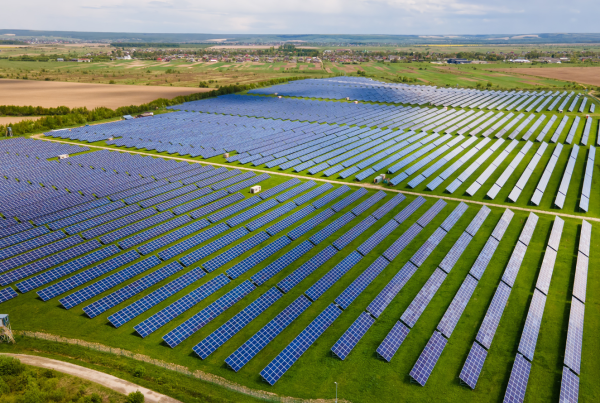
Solar energy is applied in industrial, commercial, and residential settings to supply electricity or heat. Rooftop solar panels, utility-scale solar farms, and hybrid systems deliver consistent power, integrating seamlessly into existing energy infrastructure to support diverse energy requirements in businesses, institutions, and homes.
The uses of solar power include energising factories, office complexes, schools, and residential buildings. Energy storage systems allow surplus electricity to be retained for night-time or low-sunlight periods. Grid-connected installations ensure stable energy distribution, helping sectors maintain uninterrupted operations while contributing to sustainable energy transition goals.
Limitations Affecting Solar Energy Performance
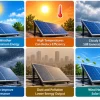
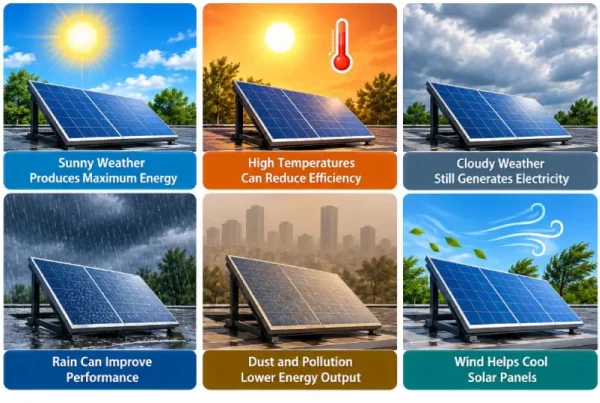
Solar energy generation depends on sunlight availability, which varies according to weather patterns, seasons, and geographic location. Areas receiving limited sun exposure may produce lower electricity output. System performance can also decline due to shading, suboptimal panel orientation, and temperature variations that influence overall energy conversion efficiency.
Energy production from solar systems fluctuates during different times of the day, affecting the consistency of the power supply. Large installations require adequate space for panel placement. Understanding solar energy limitations explains why storage technologies are often required and why initial system setup requires higher capital investment.
Modern Technologies Driving Solar Energy Adoption
Advancements in photovoltaic materials have improved conversion efficiency, enabling higher electricity generation from the same surface area. Modern cell designs reduce energy loss, support compact installations, and improve performance under varied light conditions, making solar systems more effective for commercial and industrial deployment.
Battery storage and hybrid energy systems strengthen solar integration with existing power networks. Stored electricity supports supply during low sunlight periods, while hybrid configurations balance multiple energy sources. These technologies enhance operational stability, improve scalability, and support continuous energy availability across large facilities.
Jakson Group’s Approach To Solar Energy Integration
Jakson Group designs and implements solar systems for commercial and industrial facilities, focusing on efficient energy generation, scalable system architecture, and long-term sustainability outcomes. Its solar projects reflect the effective application of photovoltaic and hybrid technologies aligned with modern energy performance requirements.
Below are key aspects of Jakson Group’s solar energy integration framework:
- Executes rooftop solar projects ranging from 100 kW to multi-megawatt scale installations.
- Develops on-grid, off-grid, and hybrid solar configurations for varied operational environments.
- Utilises in-house engineering teams for system design, construction, and commissioning.
- Delivers end-to-end solar solutions across sectors, including manufacturing, healthcare, retail, and infrastructure.
Conclusion
Solar energy has become an important part of modern power generation, offering clear advantages alongside certain performance limitations. Understanding how it is produced, where it is used, and what influences its output supports informed energy decisions across sectors. For organizations exploring solar integration, Jakson Group provides experienced support for commercial and industrial applications.
FAQ
Solar energy is produced by converting sunlight into electricity or heat using photovoltaic panels or concentrated solar power systems.
It supports long-term sustainability goals by reducing dependence on fossil-based power generation.
Solar energy helps lower electricity expenses and reduces environmental impact.
It is used to supply electricity to residential buildings, commercial facilities, and industrial operations.
Sunlight availability, system design, installation quality, and temperature conditions affect output.
Jakson Group implements solar systems for commercial and industrial facilities through engineered and scalable solutions.
Energy storage systems support the continuity of the power supply during periods of low sunlight.