The growth of renewable energy has transformed electricity production, creating opportunities to harness wind, solar, and other green sources consistently. Modern grids increasingly rely on energy storage trends to manage fluctuations and ensure that generated power can be delivered steadily to industries, communities, and urban centres. These trends shape the way electricity networks adapt to variable supply patterns.
Advancements in battery energy storage systems have enabled storage and distribution at scale. Such systems allow energy to be captured when production is high and released during peak consumption. They contribute to grid stability, optimise resource utilisation, and support a sustainable energy ecosystem. Companies like Jakson Group actively integrate these solutions to promote continuous renewable energy access.
Key Principles of Modern Energy Storage Systems
Energy storage is the process of capturing electricity for use when generation is lower than consumption. Modern systems include mechanical solutions like pumped hydro, chemical methods such as batteries, and thermal storage. These approaches support consistent electricity delivery and optimise resource utilisation in increasingly renewable-dependent grids.
Understanding storage functionality is crucial for system planning. It balances supply and demand, minimises wastage, and improves efficiency. Emerging energy storage trends focus on combining technologies to enhance capacity, maintain voltage, and strengthen grid responsiveness, ensuring power networks operate effectively under varying generation conditions.
Advancements in Battery Energy Storage Technology
Recent developments in battery energy storage systems have significantly improved efficiency, energy density, and lifespan. Lithium-ion, solid-state, and flow batteries integrate sophisticated battery management systems and inverters to optimise charge cycles while protecting equipment and maintaining performance in industrial and commercial environments.
High-capacity batteries also feature advanced energy management systems that regulate energy flow and monitor system health. These enhancements reduce operational losses and enable larger installations to function cohesively, demonstrating how technological innovation strengthens renewable energy delivery for complex grids and diverse energy requirements.
Integration of Storage with Renewable Energy Sources
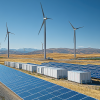
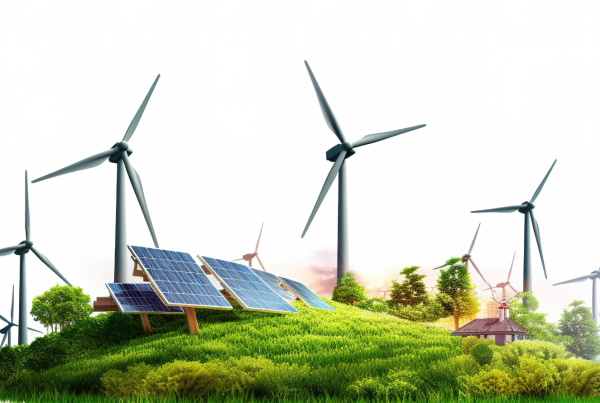
Energy storage enhances the performance of solar, wind, and hybrid energy setups by storing surplus electricity and releasing it when generation dips. This integration ensures a continuous supply and smooths fluctuations that arise from intermittent renewable resources, providing consistent output to homes, businesses, and infrastructure networks.
Techniques such as peak shaving, load shifting, and energy smoothing improve efficiency and utilization. By connecting storage systems to renewable generators, operators can optimize production schedules and maintain 24×7 renewable power, supporting sustainable energy objectives and reducing dependency on fossil fuel backup sources.
Grid Services and Frequency Regulation Applications
Energy storage contributes directly to grid stability by responding to frequency variations and supporting reserve capacity. It compensates for sudden surges or drops in electricity demand, protecting equipment and maintaining voltage levels. Microgrids increasingly employ storage to manage local generation and consumption independently.
Advanced control systems monitor energy inflows and outflows in real time. Battery-equipped sites can stabilise the network, provide ancillary services, and mitigate transmission bottlenecks. These solutions enhance the resilience of electricity grids, enabling consistent delivery from renewable sources to a growing array of end users.
Economic and Environmental Benefits of Energy Storage
Energy storage reduces peak utility costs and improves energy utilisation. Combined with renewables, it maximises solar and wind output, driving cost savings and operational efficiency for commercial and industrial users. Environmental benefits are equally substantial. Energy storage supports higher renewable penetration, lowering carbon emissions and reducing the need for fossil fuel-based generation. Logical deployment of storage solutions strengthens energy systems while advancing sustainability, making green energy more viable for broad-scale application.
Emerging Energy Storage Trends and Market Outlook
New energy storage trends include hybrid systems, grid-scale battery deployment, and integration with smart networks. Policy incentives and investment in manufacturing capacity are driving rapid adoption, particularly in regions with high renewable potential, creating opportunities for grid modernization.
Research in next-generation batteries, modular designs, and predictive analytics enhances scalability and long-term efficiency. Industry forecasts indicate continued growth, with storage becoming a central element in global renewable energy strategies, ensuring a stable and consistent electricity supply for future energy demands.
Jakson Group Initiatives Supporting Renewable Storage
Jakson Group implements advanced energy storage solutions to maintain uninterrupted renewable power and improve energy management across diverse projects. Their approach integrates technology, monitoring, and system coordination to optimise energy flow while ensuring consistent performance.
The following initiatives highlight how Jakson Group applies these solutions:
- Deploys large-scale battery energy storage systems to manage electricity supply in industrial facilities.
- Integrates storage systems with solar and hybrid setups to smooth fluctuations in generation.
- Utilises inverters and energy management systems to control energy flow efficiently.
- Enables microgrid operations and local distributed networks for a stable renewable supply.
Conclusion
Energy storage is playing an increasingly important role in making renewable energy supply consistent and manageable. Advances in technology, system integration, and grid applications are helping power networks deliver electricity steadily throughout the day. Continued innovation and adoption of storage solutions will support a cleaner, more efficient energy future. Jakson Group offers expert solutions in this area for diverse energy needs
FAQ
Energy storage captures excess electricity from renewable sources and supplies it during periods of lower generation to maintain a steady supply.
Battery energy storage systems store energy and manage its distribution, helping balance supply and demand efficiently
Mechanical, chemical, and thermal storage methods are widely used to manage renewable energy fluctuations.
Storage helps regulate voltage, respond to sudden demand shifts, and stabilise overall network performance.
Yes, storage systems can coordinate with solar, wind, and hybrid installations to smooth variable energy output.
Energy storage can reduce peak electricity costs and improve utilisation of renewable generation assets.